Should Japan Add More English to Signs and Menus?
IntermediateJapan & CultureGuion modelo de una presentación en inglés con traducción al español. Escucha y practica diapositiva por diapositiva.
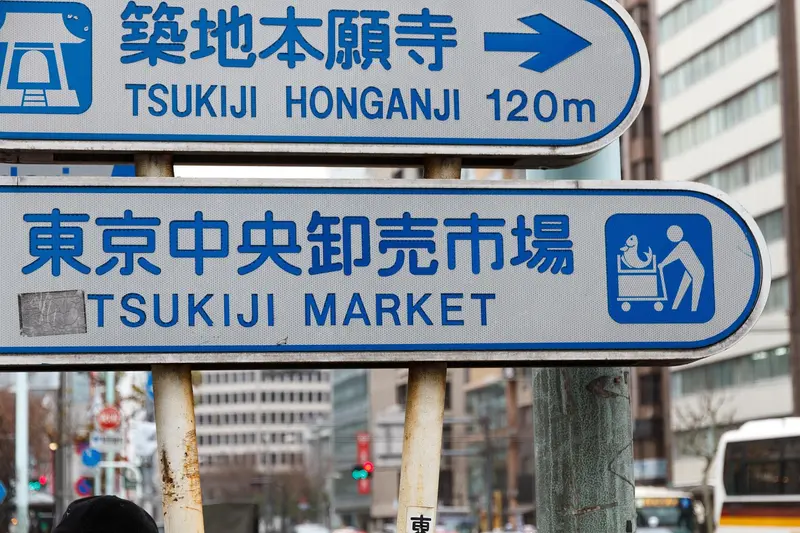
More English on Signs and Menus?
Helpful or unnecessary?
Model script
Hello, everyone. I work at a small restaurant in Kanazawa, and many foreign visitors come in. Some of them can't read our menu at all. So I want to ask: should Japan add more English to signs and menus? Let's look at both sides.
Your recording
Say this slide out loud, then listen to yourself.
Recordings stay on this device and disappear when you leave the page.
Useful phrases
can't read ... at all
Are completely unable to read.
Let's look at both sides.
Let's consider both opinions.
Full script
Read the whole talk.
All slides in one place. Read it through once, then practice slide by slide.
01More English on Signs and Menus?
Hello, everyone. I work at a small restaurant in Kanazawa, and many foreign visitors come in. Some of them can't read our menu at all. So I want to ask: should Japan add more English to signs and menus? Let's look at both sides.
Hola a todos. Trabajo en un pequeño restaurante en Kanazawa, y vienen muchos visitantes extranjeros. Algunos no pueden leer nuestro menú en absoluto. Por eso quiero preguntar: ¿debería Japón poner más inglés en sus letreros y menús? Veamos ambos lados.
02For: Easier for Visitors
Some people say more English would make visits much easier. Visitors could find stations, order food, and explore smaller towns with more confidence.
Algunas personas dicen que más inglés haría las visitas mucho más fáciles. Los visitantes podrían encontrar las estaciones, pedir comida y explorar pueblos más pequeños con más confianza.
03For: Good for Business
It can also help businesses. At our restaurant, when we added a simple English menu, ordering became faster, and there were fewer mistakes.
También puede ayudar a los negocios. En nuestro restaurante, cuando agregamos un menú sencillo en inglés, pedir se volvió más rápido y hubo menos errores.
04Against: Cost and Clutter
On the other hand, others worry about cost and clutter. Good translations cost money, and adding several languages can make signs crowded and harder to read.
Por otro lado, a otros les preocupan el costo y el exceso de información. Las buenas traducciones cuestan dinero, y agregar varios idiomas puede llenar demasiado los letreros y hacerlos más difíciles de leer.
05Against: Part of the Experience
Some also say figuring things out is part of the adventure, and that translation apps can already read most signs and menus with a phone camera.
Algunos también dicen que descubrir las cosas por uno mismo es parte de la aventura, y que las aplicaciones de traducción ya pueden leer la mayoría de los letreros y menús con la cámara del teléfono.
06My View
In my view, the best answer is in the middle. Important things, like stations, hospitals, and emergency information, should always have English. For menus and shops, simple English or pictures are enough.
En mi opinión, la mejor respuesta está en el medio. Las cosas importantes, como las estaciones, los hospitales y la información de emergencia, siempre deberían tener inglés. Para los menús y las tiendas, basta con un inglés sencillo o con imágenes.
07Conclusion
To sum up, we don't need English everywhere, but we need it where it matters most. A little English can make a big difference. Thank you.
En resumen, no necesitamos inglés en todas partes, pero sí donde más importa. Un poco de inglés puede hacer una gran diferencia. Gracias.
Cover photo by SZimmermann_DE on Pixabay