How Much Sugar Is in Our Drinks?
IntermediateFood & CookingGuion modelo de una presentación en inglés con traducción al español. Escucha y practica diapositiva por diapositiva.
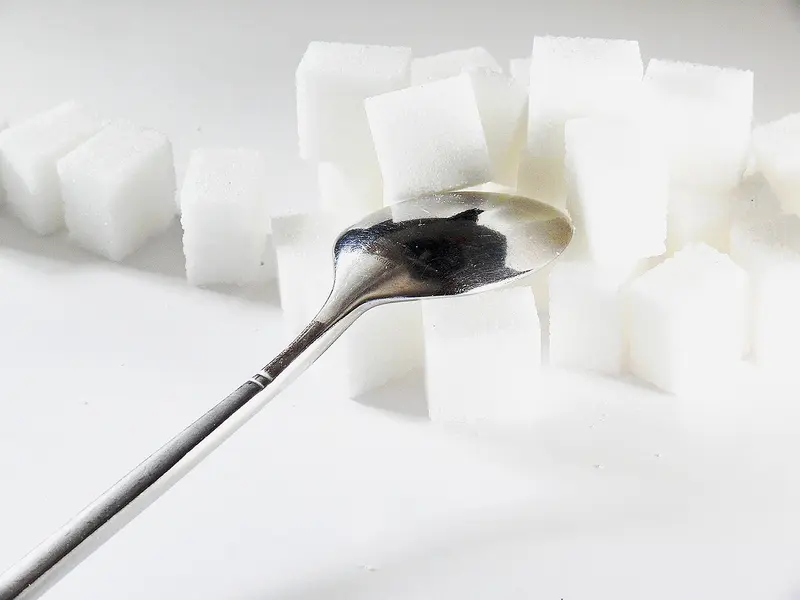
How Much Sugar Is in Our Drinks?
The hidden sugar in a bottle
Model script
Hello, everyone. Most of us know that cake and candy have a lot of sugar. But what about the drinks we buy every day? Today, I'll look at the numbers.
Your recording
Say this slide out loud, then listen to yourself.
Recordings stay on this device and disappear when you leave the page.
Useful phrases
But what about
Ask about something people may not think about.
look at the numbers
Check the data.
Full script
Read the whole talk.
All slides in one place. Read it through once, then practice slide by slide.
01How Much Sugar Is in Our Drinks?
Hello, everyone. Most of us know that cake and candy have a lot of sugar. But what about the drinks we buy every day? Today, I'll look at the numbers.
Hola a todos. La mayoría sabemos que los pasteles y los dulces tienen mucha azúcar. Pero ¿qué pasa con las bebidas que compramos todos los días? Hoy vamos a ver los números.
02What the WHO Recommends
According to the World Health Organization, adults should get less than ten percent of their daily energy from free sugars, which include sugar added to food and drinks. Even better is about five percent, which is around twenty-five grams, or six teaspoons, a day.
Según la Organización Mundial de la Salud, los adultos deberían obtener menos del diez por ciento de su energía diaria de los azúcares libres, que incluyen el azúcar añadido a los alimentos y las bebidas. Aún mejor es alrededor del cinco por ciento, que equivale a unos veinticinco gramos, o seis cucharaditas, al día.
Source: World Health Organization, "Guideline: Sugars intake for adults and children" (2015)
03One Can of Cola
Now compare that with a regular can of cola. One three-hundred-thirty milliliter can contains about thirty-five grams of sugar. That's more than the ideal amount for a whole day.
Ahora comparemos eso con una lata normal de refresco de cola. Una lata de trescientos treinta mililitros contiene unos treinta y cinco gramos de azúcar. Eso es más que la cantidad ideal para todo un día.
Sources: World Health Organization, "Guideline: Sugars intake for adults and children" (2015); Coca-Cola Classic nutrition label (330 ml can)
04My Label Check
I wanted to see more, so I went to the store near my home and checked the labels of five popular drinks. The results surprised me.
Quería saber más, así que fui a la tienda cerca de mi casa y revisé las etiquetas de cinco bebidas populares. Los resultados me sorprendieron.
The numbers on this slide are made up for practice. They are not real data.
05What I Noticed
What I noticed is that drinks that look healthy, like juice and sports drinks, can have a lot of sugar. Only the tea and water had zero.
Lo que noté es que las bebidas que parecen saludables, como los jugos y las bebidas deportivas, pueden tener mucha azúcar. Solo el té y el agua tenían cero.
The numbers on this slide are made up for practice. They are not real data.
06Easy Changes
Here are some easy changes. Read the label before you buy, choose water or tea more often, and if you want a sweet drink, try a smaller size.
Aquí hay algunos cambios fáciles. Lean la etiqueta antes de comprar, elijan agua o té más seguido y, si quieren una bebida dulce, prueben un tamaño más pequeño.
07Conclusion
To sum up, one drink can contain more sugar than we need in a day. Next time you're thirsty, take a few seconds to check the label. Thank you.
En resumen, una sola bebida puede contener más azúcar de la que necesitamos en un día. La próxima vez que tengan sed, tómense unos segundos para revisar la etiqueta. Gracias.
Cover photo by moritz320 on Pixabay