How Much Water Is Hidden in Our Food?
IntermediateFood & CookingGuion modelo de una presentación en inglés con traducción al español. Escucha y practica diapositiva por diapositiva.
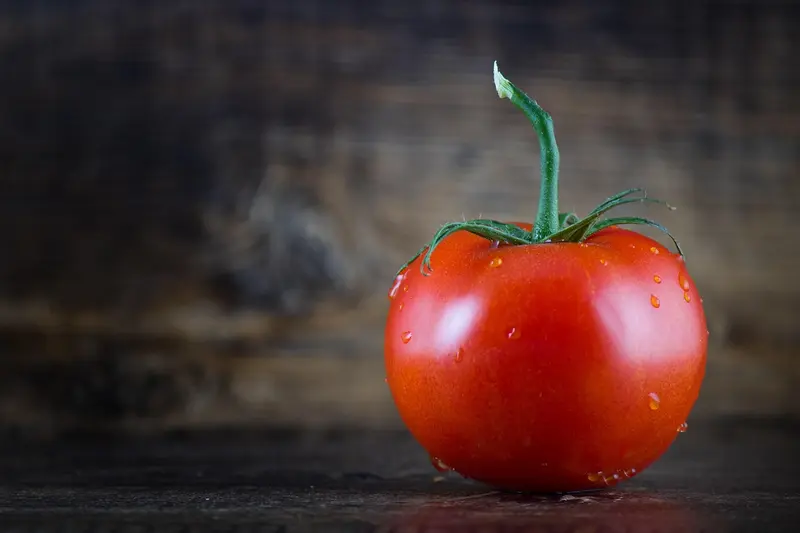
How Much Water Is Hidden in Our Food?
The water we don't see
Model script
Hello, everyone. We usually think about the water we drink or use for showers. But there is also water we never see: the water used to produce our food. Today, I'll show you some surprising numbers.
Your recording
Say this slide out loud, then listen to yourself.
Recordings stay on this device and disappear when you leave the page.
Useful phrases
We usually think about
Most of the time we focus on.
surprising numbers
Data that you don't expect.
Full script
Read the whole talk.
All slides in one place. Read it through once, then practice slide by slide.
01How Much Water Is Hidden in Our Food?
Hello, everyone. We usually think about the water we drink or use for showers. But there is also water we never see: the water used to produce our food. Today, I'll show you some surprising numbers.
Hola a todos. Normalmente pensamos en el agua que bebemos o que usamos para ducharnos. Pero también hay agua que nunca vemos: el agua que se usa para producir nuestros alimentos. Hoy les mostraré algunas cifras sorprendentes.
02What Is a Water Footprint?
A water footprint is the total amount of water used to make a product. For meat, it includes the water used to grow animal feed, the water animals drink, and water for cleaning.
La huella hídrica es la cantidad total de agua que se usa para fabricar un producto. En el caso de la carne, incluye el agua para cultivar el alimento de los animales, el agua que beben los animales y el agua para la limpieza.
03The Numbers
According to the Water Footprint Network, one kilogram of beef needs about fifteen thousand four hundred liters of water on average. Pork needs about six thousand, and chicken about four thousand three hundred.
Según la Water Footprint Network, un kilogramo de carne de res necesita en promedio unos quince mil cuatrocientos litros de agua. La carne de cerdo necesita unos seis mil, y el pollo unos cuatro mil trescientos.
Source: Water Footprint Network, "What can consumers do?" (based on Mekonnen & Hoekstra, Ecosystems, 2012)
04Why Beef Needs So Much
Why is beef so high? Most of the water is used to grow the animals' feed. Cattle live for years and eat a lot before they become food.
¿Por qué la carne de res es tan alta? La mayor parte del agua se usa para cultivar el alimento de los animales. El ganado vive durante años y come mucho antes de convertirse en alimento.
05A Picture to Remember
Here's a picture to help you remember. The Water Footprint Network says the water footprint of two hundred grams of beef is about the same as forty-seven eight-minute showers.
Aquí tienen una imagen para recordarlo. La Water Footprint Network dice que la huella hídrica de doscientos gramos de carne de res equivale más o menos a cuarenta y siete duchas de ocho minutos.
Source: Water Footprint Network, "What can consumers do?"
06What We Can Do
This doesn't mean we all have to stop eating meat. Small changes help, like choosing chicken or beans a few times a week, and not throwing away food, because wasted food means wasted water too.
Esto no significa que todos tengamos que dejar de comer carne. Los pequeños cambios ayudan, como elegir pollo o frijoles unas cuantas veces a la semana, y no tirar comida, porque la comida desperdiciada también es agua desperdiciada.
07Conclusion
To sum up, every meal has hidden water. Knowing the numbers helps us make better choices. Next time you order a burger, remember those forty-seven showers. Thank you.
En resumen, cada comida tiene agua oculta. Conocer las cifras nos ayuda a tomar mejores decisiones. La próxima vez que pidan una hamburguesa, recuerden esas cuarenta y siete duchas. Gracias.
Cover photo by 51581 on Pixabay