Is Japan Finally Going Cashless? The Pros and Cons
AdvancedJapan & Culture英語プレゼンのお手本の原稿と日本語訳。スライドごとに、聞いて・話して練習できます。
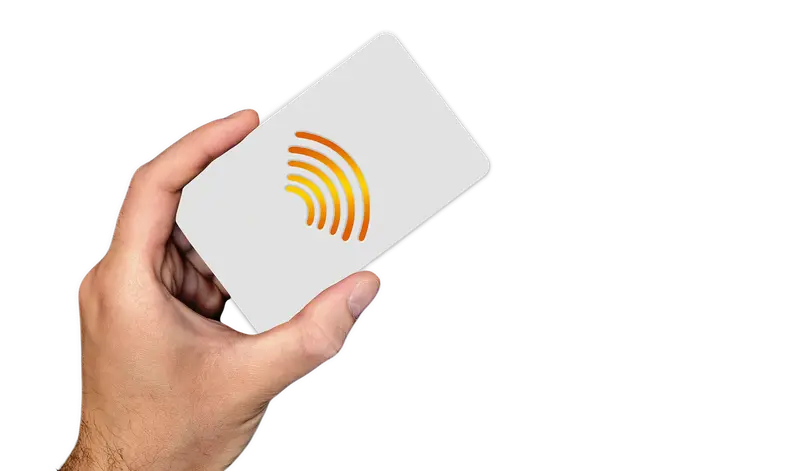
Is Japan Finally Going Cashless?
From cash country to card country?
Model script
Good afternoon, everyone. Japan has long been known as a country that loves cash. But when I visited my grandmother in Fukuoka last year, even she paid for her groceries with her phone. Today, I'll look at how fast Japan is going cashless, and the pros and cons.
Your recording
Say this slide out loud, then listen to yourself.
Recordings stay on this device and disappear when you leave the page.
Useful phrases
has long been known as
Has had this reputation for a long time.
going cashless
Changing to payments without cash.
Full script
Read the whole talk.
All slides in one place. Read it through once, then practice slide by slide.
01Is Japan Finally Going Cashless?
Good afternoon, everyone. Japan has long been known as a country that loves cash. But when I visited my grandmother in Fukuoka last year, even she paid for her groceries with her phone. Today, I'll look at how fast Japan is going cashless, and the pros and cons.
皆さん、こんにちは。日本は長い間、現金が大好きな国として知られてきました。でも去年、福岡の祖母を訪ねたら、祖母でさえ食料品の支払いをスマホでしていました。今日は、日本がどれくらいの速さでキャッシュレスになっているのか、そしてその良い点と悪い点を見ていきます。
02The Numbers
According to the Ministry of Economy, Trade and Industry, cashless payments made up forty-two point eight percent of consumer spending in 2024. That passed the government's goal of around forty percent.
経済産業省によると、2024年、キャッシュレス決済は消費の42.8%を占めました。これは、政府の目標だった約40%を超えています。
Source: Ministry of Economy, Trade and Industry (METI), "2024 Ratio of Cashless Payment Among the Total Amount Paid by Consumers" (March 2025)
03How People Pay
Most of it is still credit cards, about eighty-three percent of cashless payments. QR code payments on smartphones are around ten percent, followed by electronic money and debit cards.
そのほとんどは、今もクレジットカードで、キャッシュレス決済の約83%です。スマホでのQRコード決済は約10%で、そのあとに電子マネーとデビットカードが続きます。
Source: Ministry of Economy, Trade and Industry (METI), "2024 Ratio of Cashless Payment Among the Total Amount Paid by Consumers" (March 2025)
04Pro: Convenience and Speed
The advantages are easy to see. Paying with a card or phone is faster, there's no heavy coin purse, and visitors from abroad don't need to carry large amounts of yen.
メリットは分かりやすいです。カードやスマホで払う方が速いですし、重い小銭入れもいりませんし、海外からの観光客はたくさんの円を持ち歩かなくて済みます。
05Pro: Help for Small Shops
Cashless payments can also help shops. Staff spend less time counting cash at night, and sales records are created automatically, which helps shops with only a few staff.
キャッシュレス決済は、お店の助けにもなります。夜に店員が現金を数える時間が減りますし、売り上げの記録が自動で作られるので、人手の少ないお店には助かります。
06Con: Not Everyone Can Keep Up
However, there are real concerns. Some older people find apps confusing and prefer cash. Small shops pay fees on every card payment. And in an earthquake or power outage, cash may be the only thing that works.
でも、本当の心配もあります。アプリを分かりにくいと感じて、現金の方を好むお年寄りもいます。小さなお店は、カードで払われるたびに手数料を払います。そして、地震や停電のときには、現金しか使えないかもしれません。
07Finding the Balance
In my view, the goal shouldn't be a completely cashless Japan. Shops should keep accepting cash, communities could offer simple classes on payment apps, and families should keep a little cash at home for emergencies.
私の考えでは、目指すべきなのは完全にキャッシュレスの日本ではありません。お店は現金も受け付け続けるべきですし、地域で決済アプリの簡単な教室を開いてもいいですし、家庭では緊急のときのために、家に少し現金を置いておくべきです。
08Conclusion
To conclude, Japan is changing faster than many people expected. The challenge now is to enjoy the convenience without leaving anyone behind. Thank you.
まとめると、日本は多くの人が思っていたより速く変わっています。これからの課題は、だれも取り残さずに、その便利さを楽しむことです。ありがとうございました。
Cover photo by geralt on Pixabay