Should School Cafeterias Have Meat-Free Days?
AdvancedFood & Cooking英語プレゼンのお手本の原稿と日本語訳。スライドごとに、聞いて・話して練習できます。
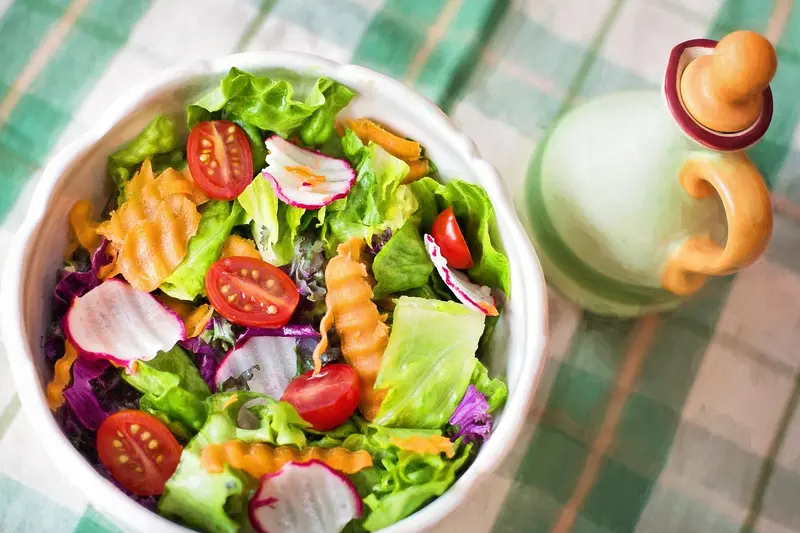
Should School Cafeterias Have Meat-Free Days?
One day a week without meat
Model script
Good evening. I'm a school nutritionist in Lyon, and I plan the menus for three primary schools. This year, some parents asked us to have one meat-free day every week. Others strongly disagreed. Tonight, I'll present both sides.
Your recording
Say this slide out loud, then listen to yourself.
Recordings stay on this device and disappear when you leave the page.
Useful phrases
I plan the menus for
I decide the meals for.
strongly disagreed
Had a very different opinion.
Full script
Read the whole talk.
All slides in one place. Read it through once, then practice slide by slide.
01Should School Cafeterias Have Meat-Free Days?
Good evening. I'm a school nutritionist in Lyon, and I plan the menus for three primary schools. This year, some parents asked us to have one meat-free day every week. Others strongly disagreed. Tonight, I'll present both sides.
こんばんは。私はリヨンで学校の栄養士をしていて、三つの小学校の献立を考えています。今年、毎週1日、肉なしの日を作ってほしいという保護者がいました。一方で、強く反対する保護者もいました。今夜は、両方の意見を紹介します。
02What a Meat-Free Day Looks Like
First, let me be clear about what we mean. A meat-free day doesn't mean a plate of only vegetables. It means meals with protein from beans, lentils, eggs, or cheese, such as a lentil curry or a vegetable omelet.
まず、どういう意味かをはっきりさせておきます。肉なしの日とは、野菜だけのお皿のことではありません。レンズ豆のカレーや野菜のオムレツのように、豆やレンズ豆、卵、チーズからたんぱく質をとる食事のことです。
03For: Variety and Habits
Supporters say it widens children's tastes. Many kids have never tried lentils or chickpeas. If they meet these foods at school, they may enjoy them for life.
賛成する人は、子どもの好みの幅が広がると言います。レンズ豆やひよこ豆を食べたことのない子どもは多いです。学校でこうした食べ物に出会えば、一生好きになるかもしれません。
04For: Cost and the Planet
Supporters also point out that beans and lentils usually cost less than meat, so the savings can go toward better ingredients. Many families also care about reducing the environmental impact of their food.
賛成する人は、豆やレンズ豆はたいてい肉より安いので、浮いたお金をもっと良い食材に回せる、とも指摘します。食べ物が環境に与える影響を減らしたいと考える家庭も多いです。
05Against: Choice and Culture
On the other hand, some parents feel the school shouldn't decide what their children eat. For some families, meat is an important part of their food culture, and they see the rule as pushing values onto them.
一方で、子どもが何を食べるかを学校が決めるべきではない、と感じる保護者もいます。肉が食文化の大切な一部になっている家庭もあり、そうした人たちは、このルールを価値観の押しつけだと受け止めています。
06Against: Will Children Eat It?
Another worry is practical. If children don't like the meal, they won't eat it. Then we have food waste and hungry children in afternoon classes. That's a real risk, and I've seen it happen.
もう一つの心配は、現実的なものです。子どもが食事を気に入らなければ、食べません。そうなると、食べ残しが出て、午後の授業ではお腹をすかせた子どもがいることになります。これは本当にある危険で、私は実際にそうなるのを見たことがあります。
07A Middle Path
So, here's what I suggest. Instead of a strict rule, we could start with dishes children already like, such as pasta or pizza without meat. We could hold tasting days, and always keep a second option on the menu.
そこで、私の提案はこうです。厳しいルールにする代わりに、肉なしのパスタやピザのように、子どもがもともと好きな料理から始めます。試食の日を設けて、献立にはいつももう一つの選択肢を用意しておきます。
08Conclusion
In conclusion, both sides care about children's health and families' rights. I believe the best approach is to invite children to try meat-free meals, not to force them. Thank you for listening.
まとめると、どちらの側も、子どもの健康と家庭の権利を大切に思っています。一番いいやり方は、肉なしの食事を子どもに強制するのではなく、試してみるよう誘うことだと思います。聞いてくれてありがとうございました。
Cover photo by JillWellington on Pixabay