Should School Cafeterias Have Meat-Free Days?
AdvancedFood & Cooking英文簡報的示範講稿與中文翻譯。每一頁都可以聽示範、開口練習。
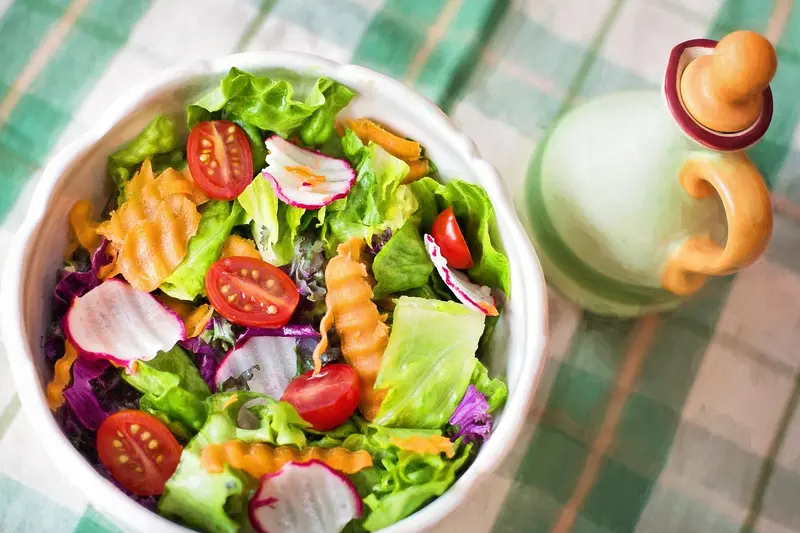
Should School Cafeterias Have Meat-Free Days?
One day a week without meat
Model script
Good evening. I'm a school nutritionist in Lyon, and I plan the menus for three primary schools. This year, some parents asked us to have one meat-free day every week. Others strongly disagreed. Tonight, I'll present both sides.
Your recording
Say this slide out loud, then listen to yourself.
Recordings stay on this device and disappear when you leave the page.
Useful phrases
I plan the menus for
I decide the meals for.
strongly disagreed
Had a very different opinion.
Full script
Read the whole talk.
All slides in one place. Read it through once, then practice slide by slide.
01Should School Cafeterias Have Meat-Free Days?
Good evening. I'm a school nutritionist in Lyon, and I plan the menus for three primary schools. This year, some parents asked us to have one meat-free day every week. Others strongly disagreed. Tonight, I'll present both sides.
晚安。我是里昂的一名學校營養師,負責為三所小學制定選單。今年,一些家長要求我們每週設一天無肉日。也有家長強烈反對。今晚,我來介紹正反兩方的觀點。
02What a Meat-Free Day Looks Like
First, let me be clear about what we mean. A meat-free day doesn't mean a plate of only vegetables. It means meals with protein from beans, lentils, eggs, or cheese, such as a lentil curry or a vegetable omelet.
首先,我要說清楚我們指的是什麼。無肉日並不是說盤子裡只有蔬菜,而是指用豆類、扁豆、雞蛋或乳酪來提供蛋白質的餐食,比如扁豆咖哩或蔬菜煎蛋餅。
03For: Variety and Habits
Supporters say it widens children's tastes. Many kids have never tried lentils or chickpeas. If they meet these foods at school, they may enjoy them for life.
支持者說,這能拓寬孩子們的口味。很多孩子從來沒吃過扁豆或鷹嘴豆。如果他們在學校接觸到這些食物,也許會喜歡一輩子。
04For: Cost and the Planet
Supporters also point out that beans and lentils usually cost less than meat, so the savings can go toward better ingredients. Many families also care about reducing the environmental impact of their food.
支持者還指出,豆類和扁豆通常比肉便宜,所以省下來的錢可以用來買更好的食材。此外,很多家庭也在意減少飲食對環境的影響。
05Against: Choice and Culture
On the other hand, some parents feel the school shouldn't decide what their children eat. For some families, meat is an important part of their food culture, and they see the rule as pushing values onto them.
另一方面,有些家長認為,學校不應該決定他們的孩子吃什麼。對一些家庭來說,肉是他們飲食文化的重要組成部分,他們覺得這項規定是在把某種價值觀強加給他們。
06Against: Will Children Eat It?
Another worry is practical. If children don't like the meal, they won't eat it. Then we have food waste and hungry children in afternoon classes. That's a real risk, and I've seen it happen.
另一個擔憂是實際層面的。如果孩子們不喜歡這頓飯,他們就不會吃。那樣就會造成食物浪費,孩子們下午上課時還會餓肚子。這是真實存在的風險,我也親眼見過。
07A Middle Path
So, here's what I suggest. Instead of a strict rule, we could start with dishes children already like, such as pasta or pizza without meat. We could hold tasting days, and always keep a second option on the menu.
所以,我的建議是這樣的。與其制定嚴格的規定,我們可以先從孩子們本來就喜歡的菜開始,比如不放肉的義大利麵或披薩。我們可以舉辦試吃日,並且選單上始終保留第二個選擇。
08Conclusion
In conclusion, both sides care about children's health and families' rights. I believe the best approach is to invite children to try meat-free meals, not to force them. Thank you for listening.
總之,雙方關心的都是孩子的健康和家庭的權利。我認為最好的做法是邀請孩子們嘗試無肉餐,而不是強迫他們。謝謝大家的聆聽。
Cover photo by JillWellington on Pixabay