2.6 Billion People Are Still Offline. Who Are They?
AdvancedTech & Internet英語プレゼンのお手本の原稿と日本語訳。スライドごとに、聞いて・話して練習できます。
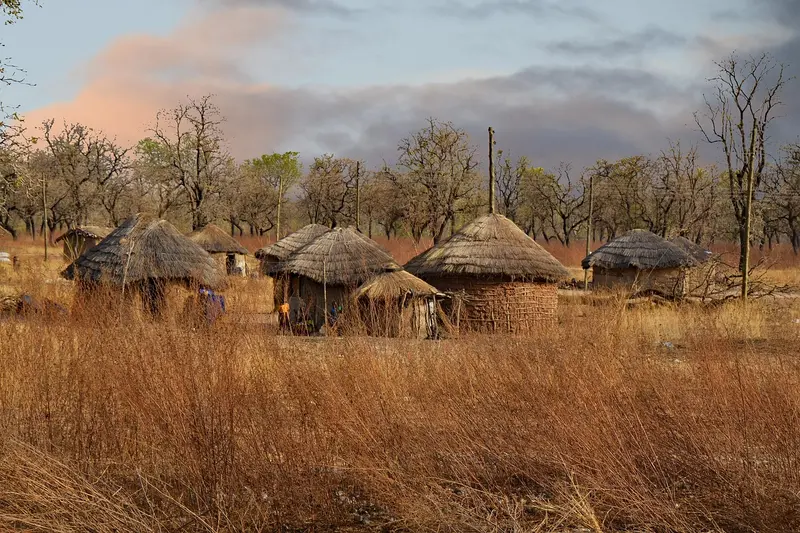
2.6 Billion People Are Still Offline
Who are they?
Model script
Good morning, everyone. For many of us, it's hard to imagine a day without the internet. But for billions of people, that's normal life. Today, I'd like to look at who is still offline, and why it matters.
Your recording
Say this slide out loud, then listen to yourself.
Recordings stay on this device and disappear when you leave the page.
Useful phrases
it's hard to imagine
It is difficult to picture in your mind.
why it matters
Why it is important.
Full script
Read the whole talk.
All slides in one place. Read it through once, then practice slide by slide.
012.6 Billion People Are Still Offline
Good morning, everyone. For many of us, it's hard to imagine a day without the internet. But for billions of people, that's normal life. Today, I'd like to look at who is still offline, and why it matters.
皆さん、おはようございます。私たちの多くにとって、インターネットのない一日は想像しにくいものです。でも、何十億もの人にとっては、それがふつうの生活です。今日は、まだインターネットを使えていないのはだれなのか、そしてそれがなぜ大事なのかを見ていきたいと思います。
02The Global Picture
According to the International Telecommunication Union, about five point five billion people used the internet in 2024. That's sixty-eight percent of the world. It also means that around two point six billion people are still offline.
国際電気通信連合によると、2024年には約55億人がインターネットを使っていました。世界の68%です。それは、約26億人がまだインターネットを使えていないということでもあります。
Source: International Telecommunication Union (ITU), Facts and Figures 2024
03Rich and Poor Countries
The gap between countries is huge. In high-income countries, about ninety-three percent of people are online. In low-income countries, it's only twenty-seven percent.
国の間の差はとても大きいです。高所得国では約93%の人がインターネットを使っています。低所得国では、たった27%です。
Source: International Telecommunication Union (ITU), Facts and Figures 2024
04Cities and the Countryside
There's also a gap inside countries. Around the world, eighty-three percent of people in cities use the internet, compared to only forty-eight percent in rural areas.
国の中にも差があります。世界全体で、都市に住む人の83%がインターネットを使っているのに対し、農村部ではたった48%です。
Source: International Telecommunication Union (ITU), Facts and Figures 2024
05Why People Stay Offline
Why do people stay offline? There are several possible barriers, such as the cost of phones and data, the lack of a network in remote areas, and not having the digital skills to use the internet with confidence.
なぜ、インターネットを使えないままなのでしょうか?スマホや通信料の費用、遠い地域にネットワークがないこと、そして自信を持ってインターネットを使えるだけのデジタルの力がないことなど、いくつかの壁が考えられます。
06Why It Matters
This matters because more and more of life happens online. Without access, it's harder to study, find jobs, see a doctor remotely, or even send money to family.
これが大事なのは、生活のますます多くの部分がネット上で行われるようになっているからです。インターネットが使えないと、勉強すること、仕事を探すこと、遠くから医師の診察を受けること、そして家族にお金を送ることさえ難しくなります。
07What Could Help
Several solutions could help: cheaper devices and data plans, free Wi-Fi in schools and libraries, and simple digital skills classes, especially for people who have never used a smartphone.
いくつかの解決策が助けになるかもしれません。もっと安い機器や通信プラン、学校や図書館での無料Wi-Fi、そして特にスマホを一度も使ったことのない人のための、簡単なデジタルの教室です。
08Conclusion
To conclude, the internet has reached two-thirds of the world, but the last third will be the hardest to connect. Closing this gap is not just about technology; it's about fairness. Thank you.
まとめると、インターネットは世界の3分の2に届きましたが、最後の3分の1をつなぐのが一番難しいでしょう。この差を縮めることは、技術だけの問題ではなく、公平さの問題なのです。ありがとうございました。
Cover photo by lapping on Pixabay