2.6 Billion People Are Still Offline. Who Are They?
AdvancedTech & Internet英文簡報的示範講稿與中文翻譯。每一頁都可以聽示範、開口練習。
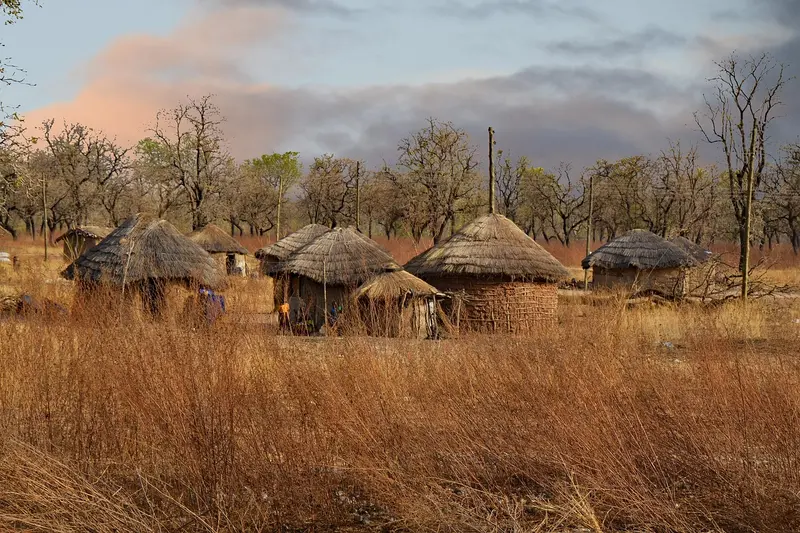
2.6 Billion People Are Still Offline
Who are they?
Model script
Good morning, everyone. For many of us, it's hard to imagine a day without the internet. But for billions of people, that's normal life. Today, I'd like to look at who is still offline, and why it matters.
Your recording
Say this slide out loud, then listen to yourself.
Recordings stay on this device and disappear when you leave the page.
Useful phrases
it's hard to imagine
It is difficult to picture in your mind.
why it matters
Why it is important.
Full script
Read the whole talk.
All slides in one place. Read it through once, then practice slide by slide.
012.6 Billion People Are Still Offline
Good morning, everyone. For many of us, it's hard to imagine a day without the internet. But for billions of people, that's normal life. Today, I'd like to look at who is still offline, and why it matters.
大家早安。對我們很多人來說,很難想象一天沒有網際網路會怎樣。但對數十億人來說,那就是正常的生活。今天,我想看看哪些人仍然沒有上網,以及為什麼這很重要。
02The Global Picture
According to the International Telecommunication Union, about five point five billion people used the internet in 2024. That's sixty-eight percent of the world. It also means that around two point six billion people are still offline.
根據國際電信聯盟的資料,2024年約有55億人使用網際網路。這佔世界人口的68%。這也意味著,大約還有26億人沒有上網。
Source: International Telecommunication Union (ITU), Facts and Figures 2024
03Rich and Poor Countries
The gap between countries is huge. In high-income countries, about ninety-three percent of people are online. In low-income countries, it's only twenty-seven percent.
國家之間的差距非常大。在高收入國家,約93%的人能上網。而在低收入國家,這個比例只有27%。
Source: International Telecommunication Union (ITU), Facts and Figures 2024
04Cities and the Countryside
There's also a gap inside countries. Around the world, eighty-three percent of people in cities use the internet, compared to only forty-eight percent in rural areas.
國家內部也存在差距。在全世界,城市裡有83%的人使用網際網路,而農村地區只有48%。
Source: International Telecommunication Union (ITU), Facts and Figures 2024
05Why People Stay Offline
Why do people stay offline? There are several possible barriers, such as the cost of phones and data, the lack of a network in remote areas, and not having the digital skills to use the internet with confidence.
為什麼有些人不上網?可能有幾種障礙,比如手機和流量的費用,偏遠地區沒有網路,以及缺乏自信地使用網際網路所需的數字技能。
06Why It Matters
This matters because more and more of life happens online. Without access, it's harder to study, find jobs, see a doctor remotely, or even send money to family.
這很重要,因為生活中越來越多的事情是在網路上進行的。沒有網路,學習、找工作、遠端看醫生,甚至給家人匯款都會更困難。
07What Could Help
Several solutions could help: cheaper devices and data plans, free Wi-Fi in schools and libraries, and simple digital skills classes, especially for people who have never used a smartphone.
有幾種解決辦法可能會有幫助:更便宜的裝置和流量套餐,學校和圖書館提供免費Wi-Fi,以及簡單的數字技能課程,特別是面向從來沒用過智慧手機的人。
08Conclusion
To conclude, the internet has reached two-thirds of the world, but the last third will be the hardest to connect. Closing this gap is not just about technology; it's about fairness. Thank you.
最後,網際網路已經覆蓋了世界三分之二的人口,但最後的三分之一將是最難連線的。縮小這個差距不僅僅是技術問題,更是公平問題。謝謝大家。
Cover photo by lapping on Pixabay