Why You Should Learn a Second Language
IntermediateSchool & Study영어 프레젠테이션 모범 원고와 한국어 번역. 슬라이드마다 듣고 말하며 연습할 수 있습니다.
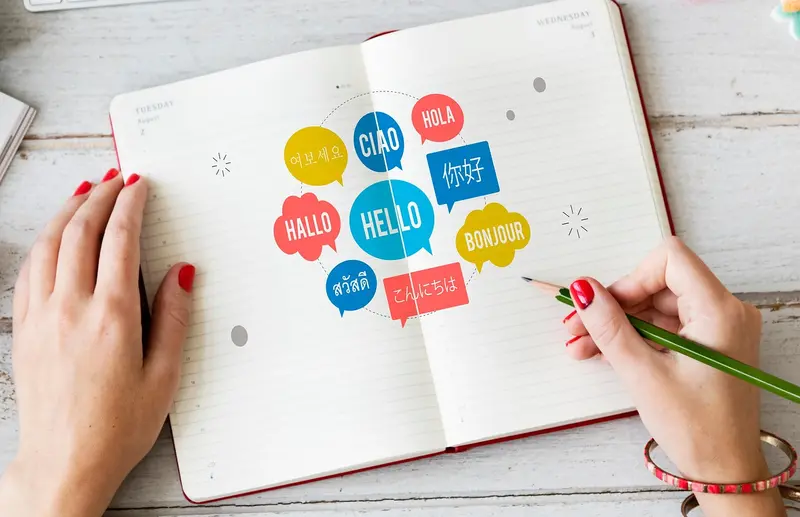
Why You Should Learn a Second Language
It's more than a school subject
Model script
Good afternoon. How many languages do you speak? Today, I'd like to convince you that learning a second language is one of the best things you can do for yourself.
Your recording
Say this slide out loud, then listen to yourself.
Recordings stay on this device and disappear when you leave the page.
Useful phrases
I'd like to convince you that...
Say that you want the audience to agree with you.
one of the best things
Use this to say that something is very good.
Full script
Read the whole talk.
All slides in one place. Read it through once, then practice slide by slide.
01Why You Should Learn a Second Language
Good afternoon. How many languages do you speak? Today, I'd like to convince you that learning a second language is one of the best things you can do for yourself.
안녕하세요. 여러분은 몇 개의 언어를 하시나요? 오늘은 제2외국어를 배우는 것이 자신을 위해 할 수 있는 최고의 일 중 하나라는 것을 설득해 보고 싶습니다.
02More People to Talk To
The first reason is simple: you can talk to more people. When you learn a new language, you can make friends from other countries and understand them in their own words.
첫 번째 이유는 간단합니다. 더 많은 사람과 이야기할 수 있습니다. 새로운 언어를 배우면 다른 나라 친구를 사귀고, 그들을 그들 자신의 말로 이해할 수 있습니다.
03Better Job Chances
Second, a second language can open doors in your career. Many companies work with people around the world, so language skills can help you stand out.
둘째, 제2외국어는 커리어의 문을 열어 줄 수 있습니다. 많은 회사가 전 세계 사람들과 일하기 때문에, 언어 능력은 여러분을 돋보이게 해 줍니다.
04Exercise for Your Brain
Third, learning a language is great exercise for your brain. Switching between two languages makes you think in flexible ways. Some studies even suggest it may help keep the brain healthy as we get older.
셋째, 언어를 배우는 것은 뇌에 좋은 운동입니다. 두 언어를 오가다 보면 유연하게 생각하게 됩니다. 일부 연구는 나이가 들어서도 뇌를 건강하게 유지하는 데 도움이 될 수 있다고 말하기도 합니다.
Source: Bialystok, Craik & Freedman, "Bilingualism as a protection against the onset of symptoms of dementia", Neuropsychologia (2007)
05"But It's Too Hard!"
Of course, many people say, "I don't have time," or "I'm too old." But even ten minutes a day can make a difference, and you can start at any age. Mistakes are not a problem; they are part of learning.
물론 많은 사람이 "시간이 없어요"라거나 "나이가 너무 많아요"라고 말합니다. 하지만 하루 10분만으로도 차이를 만들 수 있고, 어떤 나이에도 시작할 수 있습니다. 실수는 문제가 아니라 배움의 일부입니다.
06How to Start
So how can you start? First, choose one language. Next, set a small goal for every day. Then, start speaking early, even if it's difficult. Finally, find a partner or a group to practice with.
그럼 어떻게 시작할 수 있을까요? 먼저 언어를 하나 고르세요. 다음으로 매일의 작은 목표를 세우세요. 그리고 어렵더라도 일찍부터 말하기 시작하세요. 마지막으로 함께 연습할 파트너나 모임을 찾으세요.
07Conclusion
To wrap up, a second language gives you new friends, new chances, and new ways of thinking. It's never too late to start. Why not begin today? Thank you.
정리하자면, 제2외국어는 새로운 친구, 새로운 기회, 새로운 사고방식을 줍니다. 시작하기에 너무 늦은 때는 없습니다. 오늘 시작해 보는 건 어떨까요? 감사합니다.
Cover photo by Tridindia on Pixabay