Where Does Our Food Waste Come From?
AdvancedFood & CookingGuion modelo de una presentación en inglés con traducción al español. Escucha y practica diapositiva por diapositiva.
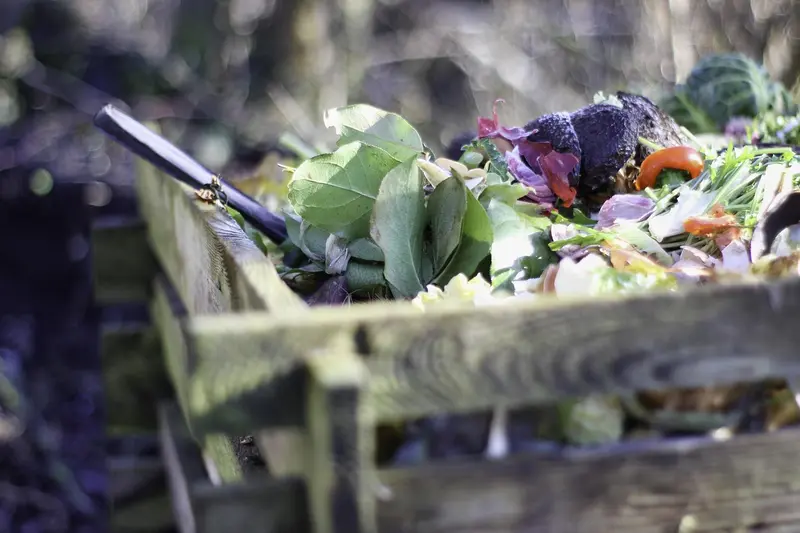
Where Does Our Food Waste Come From?
Following the numbers
Model script
Good morning, everyone. Every year, a huge amount of food is thrown away while millions of people go hungry. Today, I'll use real data to show where food waste comes from, and what we can do about it.
Your recording
Say this slide out loud, then listen to yourself.
Recordings stay on this device and disappear when you leave the page.
Useful phrases
is thrown away
Is put in the trash.
use real data to show
Say that you will support your talk with facts.
Full script
Read the whole talk.
All slides in one place. Read it through once, then practice slide by slide.
01Where Does Our Food Waste Come From?
Good morning, everyone. Every year, a huge amount of food is thrown away while millions of people go hungry. Today, I'll use real data to show where food waste comes from, and what we can do about it.
Buenos días a todos. Cada año se tira una enorme cantidad de comida mientras millones de personas pasan hambre. Hoy voy a usar datos reales para mostrar de dónde viene el desperdicio de alimentos y qué podemos hacer al respecto.
02The Big Number
According to the United Nations, the world wasted about one billion tonnes of food in 2022. That's roughly one out of every five portions of food available to consumers.
Según las Naciones Unidas, el mundo desperdició alrededor de mil millones de toneladas de alimentos en 2022. Eso es aproximadamente una de cada cinco porciones de comida disponibles para los consumidores.
Source: UNEP Food Waste Index Report 2024
03Where It Happens
Now, let's look at where this waste happens. Surprisingly, about sixty percent comes from our homes. Restaurants and other food services make up around twenty-eight percent, and shops about twelve percent.
Ahora veamos dónde ocurre este desperdicio. Sorprendentemente, alrededor del sesenta por ciento viene de nuestros hogares. Los restaurantes y otros servicios de comida representan cerca del veintiocho por ciento, y las tiendas, alrededor del doce por ciento.
Source: UNEP Food Waste Index Report 2024
04Why Homes Waste So Much
Why do homes waste so much? Common reasons include buying more than we need, misunderstanding date labels, and storing food badly.
¿Por qué se desperdicia tanto en los hogares? Algunas razones comunes son comprar más de lo que necesitamos, malinterpretar las fechas de las etiquetas y guardar mal los alimentos.
05Best Before vs. Use By
One simple fix is understanding labels. A best-before date is about quality, so food is often still fine after it. A use-by date is about safety, so it should be taken seriously.
Una solución sencilla es entender las etiquetas. La fecha de consumo preferente tiene que ver con la calidad, así que la comida a menudo sigue estando bien después de esa fecha. La fecha de caducidad tiene que ver con la seguridad, así que hay que tomarla en serio.
06Why It Matters
Food waste matters for three reasons: it wastes money, it harms the environment, and it's food that could have fed people in need.
El desperdicio de alimentos importa por tres razones: desperdicia dinero, daña el medio ambiente y es comida que podría haber alimentado a personas necesitadas.
07What We Can Do
The good news is that we can make a difference at home. We can plan our meals, shop with a list, store food properly, and get creative with leftovers.
La buena noticia es que podemos marcar la diferencia en casa. Podemos planificar nuestras comidas, comprar con una lista, guardar bien los alimentos y ser creativos con las sobras.
08Conclusion
To sum up, the data shows that the biggest part of the problem is in our own kitchens. That also means the solution is in our hands. Thank you.
En resumen, los datos muestran que la mayor parte del problema está en nuestras propias cocinas. Eso también significa que la solución está en nuestras manos. Gracias.
Cover photo by herb007 on Pixabay