Does It Really Take 21 Days to Build a Habit?
AdvancedMe & Daily LifeGuion modelo de una presentación en inglés con traducción al español. Escucha y practica diapositiva por diapositiva.
Does It Really Take 21 Days?
What research says about habits
Model script
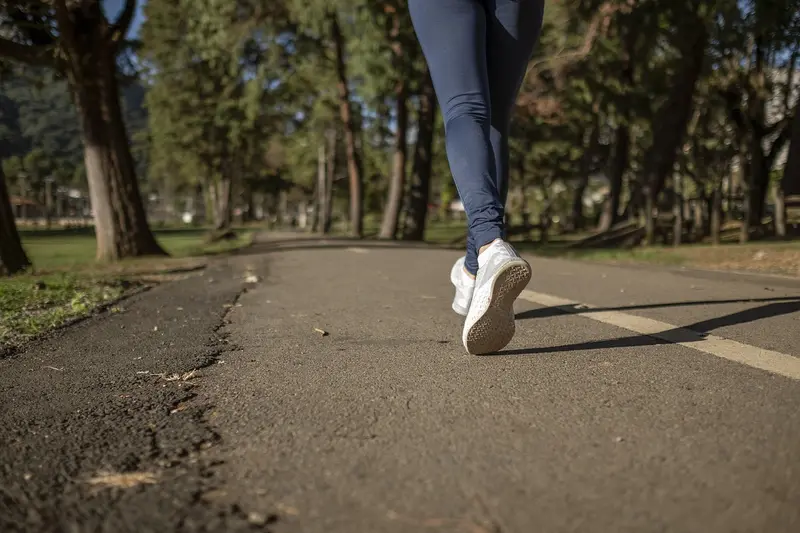
Good evening, everyone. You've probably heard that it takes twenty-one days to build a new habit. I believed that too. I tried running every morning, and after three weeks, it still felt hard. So I looked into the research.
Your recording
Say this slide out loud, then listen to yourself.
Recordings stay on this device and disappear when you leave the page.
Useful phrases
You've probably heard that
You most likely know the idea that.
looked into
Searched for information about.
Full script
Read the whole talk.
All slides in one place. Read it through once, then practice slide by slide.
01Does It Really Take 21 Days?
Good evening, everyone. You've probably heard that it takes twenty-one days to build a new habit. I believed that too. I tried running every morning, and after three weeks, it still felt hard. So I looked into the research.
Buenas noches a todos. Probablemente hayan oído que se tarda veintiún días en crear un nuevo hábito. Yo también lo creía. Intenté correr todas las mañanas y, después de tres semanas, todavía me costaba. Así que investigué lo que dice la ciencia.
02The Study
In 2010, researchers led by Phillippa Lally published a study on habit formation in the European Journal of Social Psychology. Ninety-six volunteers chose one healthy behavior, like drinking water with lunch or going for a run, and did it every day in the same situation for twelve weeks.
En 2010, un grupo de investigadores dirigido por Phillippa Lally publicó un estudio sobre la formación de hábitos en el European Journal of Social Psychology. Noventa y seis voluntarios eligieron un comportamiento saludable, como beber agua con el almuerzo o salir a correr, y lo hicieron todos los días en la misma situación durante doce semanas.
Source: Lally, van Jaarsveld, Potts & Wardle, "How are habits formed: Modelling habit formation in the real world," European Journal of Social Psychology (2010)
03The Results
The results showed huge differences. The time it took for a behavior to become automatic ranged from eighteen days to two hundred fifty-four days. A figure people often quote from the study is about sixty-six days, much longer than twenty-one.
Los resultados mostraron enormes diferencias. El tiempo que tardó un comportamiento en volverse automático fue de dieciocho días a doscientos cincuenta y cuatro días. Una cifra del estudio que se cita a menudo es de unos sesenta y seis días, mucho más que veintiuno.
Source: Lally, van Jaarsveld, Potts & Wardle, "How are habits formed: Modelling habit formation in the real world," European Journal of Social Psychology (2010)
04Why So Different?
Why such big differences? It makes sense that simple habits, like drinking a glass of water, become automatic faster than harder ones, like exercising. And every person's life and motivation are different.
¿Por qué diferencias tan grandes? Tiene sentido que los hábitos sencillos, como beber un vaso de agua, se vuelvan automáticos más rápido que los más difíciles, como hacer ejercicio. Y la vida y la motivación de cada persona son diferentes.
05Good News: Missing a Day Is OK
Here's the most encouraging finding. In the study, missing one opportunity to do the behavior did not really affect the habit-building process. So if you miss one day, you haven't failed. Just continue the next day.
Este es el hallazgo más alentador. En el estudio, perder una oportunidad de hacer el comportamiento no afectó realmente al proceso de formación del hábito. Así que, si se saltan un día, no han fracasado. Simplemente continúen al día siguiente.
Source: Lally, van Jaarsveld, Potts & Wardle, "How are habits formed: Modelling habit formation in the real world," European Journal of Social Psychology (2010)
06What This Means for Us
So what does this mean for us? Expect it to take weeks or even months, not exactly three weeks. Do your habit at the same time and place every day, and start very small so it's easy to repeat.
Entonces, ¿qué significa esto para nosotros? Esperen que lleve semanas o incluso meses, no exactamente tres semanas. Practiquen su hábito a la misma hora y en el mismo lugar cada día, y empiecen con algo muy pequeño para que sea fácil de repetir.
07My Running Habit Now
With this in mind, I restarted my running habit, but smaller: ten minutes after breakfast, every day. It took about three months before I did it without thinking. Now it feels strange not to run.
Con esto en mente, retomé mi hábito de correr, pero más pequeño: diez minutos después del desayuno, todos los días. Pasaron unos tres meses hasta que lo hice sin pensar. Ahora me parece raro no correr.
08Conclusion
To sum up, there's no magic number of days. Habits take different amounts of time for different people and behaviors. Be patient, keep it small, and don't give up after one bad day. Thank you.
En resumen, no hay un número mágico de días. Los hábitos tardan distinto tiempo según la persona y el comportamiento. Tengan paciencia, empiecen con poco y no se rindan después de un mal día. Gracias.
Cover photo by Fotorech on Pixabay