Does It Really Take 21 Days to Build a Habit?
AdvancedMe & Daily Life英语演讲的示范讲稿与中文翻译。每一页都可以听示范、开口练习。
Does It Really Take 21 Days?
What research says about habits
Model script
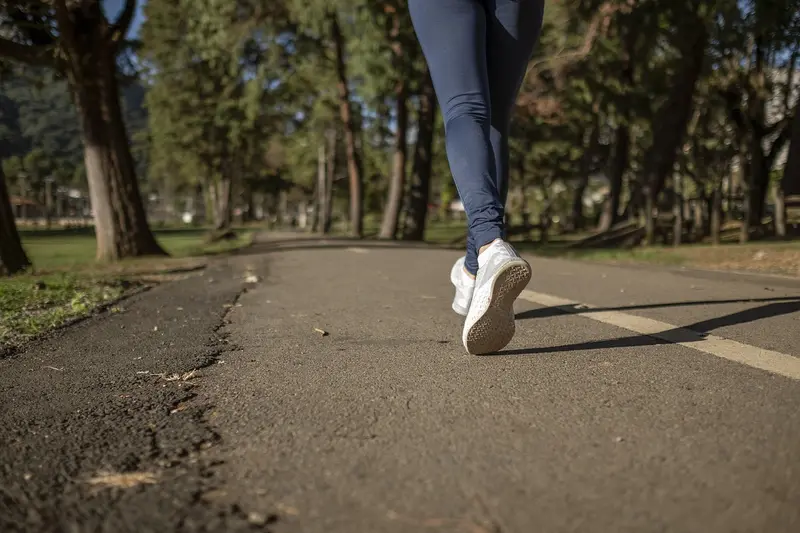
Good evening, everyone. You've probably heard that it takes twenty-one days to build a new habit. I believed that too. I tried running every morning, and after three weeks, it still felt hard. So I looked into the research.
Your recording
Say this slide out loud, then listen to yourself.
Recordings stay on this device and disappear when you leave the page.
Useful phrases
You've probably heard that
You most likely know the idea that.
looked into
Searched for information about.
Full script
Read the whole talk.
All slides in one place. Read it through once, then practice slide by slide.
01Does It Really Take 21 Days?
Good evening, everyone. You've probably heard that it takes twenty-one days to build a new habit. I believed that too. I tried running every morning, and after three weeks, it still felt hard. So I looked into the research.
大家晚上好。你们可能听说过,养成一个新习惯需要二十一天。我以前也这么认为。我尝试每天早上跑步,三周之后,还是觉得很难。于是我去查了相关的研究。
02The Study
In 2010, researchers led by Phillippa Lally published a study on habit formation in the European Journal of Social Psychology. Ninety-six volunteers chose one healthy behavior, like drinking water with lunch or going for a run, and did it every day in the same situation for twelve weeks.
2010年,由菲莉帕·拉利领导的研究人员在《欧洲社会心理学杂志》上发表了一项关于习惯养成的研究。九十六名志愿者各自选择了一种健康的行为,比如午饭时喝水或者去跑步,并在相同的情境下每天坚持,持续了十二周。
Source: Lally, van Jaarsveld, Potts & Wardle, "How are habits formed: Modelling habit formation in the real world," European Journal of Social Psychology (2010)
03The Results
The results showed huge differences. The time it took for a behavior to become automatic ranged from eighteen days to two hundred fifty-four days. A figure people often quote from the study is about sixty-six days, much longer than twenty-one.
结果显示差异非常大。一个行为变成自动化所需的时间,从十八天到二百五十四天不等。人们经常引用的这项研究中的一个数字是大约六十六天,比二十一天长得多。
Source: Lally, van Jaarsveld, Potts & Wardle, "How are habits formed: Modelling habit formation in the real world," European Journal of Social Psychology (2010)
04Why So Different?
Why such big differences? It makes sense that simple habits, like drinking a glass of water, become automatic faster than harder ones, like exercising. And every person's life and motivation are different.
为什么差异这么大?简单的习惯,比如喝一杯水,比难度更高的习惯,比如运动,更快变得自动化,这是合理的。而且每个人的生活和动力都不一样。
05Good News: Missing a Day Is OK
Here's the most encouraging finding. In the study, missing one opportunity to do the behavior did not really affect the habit-building process. So if you miss one day, you haven't failed. Just continue the next day.
这是最令人鼓舞的发现。在这项研究中,错过一次执行该行为的机会,并没有真正影响习惯养成的过程。所以如果你漏掉了一天,并不代表你失败了。第二天继续就好。
Source: Lally, van Jaarsveld, Potts & Wardle, "How are habits formed: Modelling habit formation in the real world," European Journal of Social Psychology (2010)
06What This Means for Us
So what does this mean for us? Expect it to take weeks or even months, not exactly three weeks. Do your habit at the same time and place every day, and start very small so it's easy to repeat.
那么,这对我们意味着什么呢?要做好需要几周甚至几个月的准备,而不是正好三周。每天在同一时间、同一地点做这件事,并且从非常小的事情开始,这样才容易重复。
07My Running Habit Now
With this in mind, I restarted my running habit, but smaller: ten minutes after breakfast, every day. It took about three months before I did it without thinking. Now it feels strange not to run.
带着这个想法,我重新开始了跑步的习惯,但规模更小:每天早饭后跑十分钟。大约过了三个月,我才做到不用想就去跑。现在不跑步反而觉得奇怪。
08Conclusion
To sum up, there's no magic number of days. Habits take different amounts of time for different people and behaviors. Be patient, keep it small, and don't give up after one bad day. Thank you.
总结一下,并没有什么神奇的天数。不同的人、不同的行为,养成习惯所需的时间都不一样。要有耐心,从小处做起,不要因为一天没做好就放弃。谢谢大家。
Cover photo by Fotorech on Pixabay