Does It Really Take 21 Days to Build a Habit?
AdvancedMe & Daily Life英語プレゼンのお手本の原稿と日本語訳。スライドごとに、聞いて・話して練習できます。
Does It Really Take 21 Days?
What research says about habits
Model script
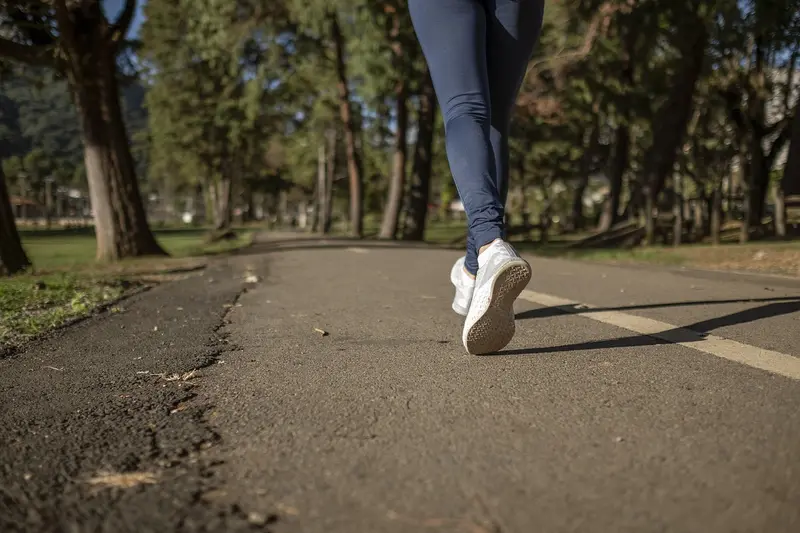
Good evening, everyone. You've probably heard that it takes twenty-one days to build a new habit. I believed that too. I tried running every morning, and after three weeks, it still felt hard. So I looked into the research.
Your recording
Say this slide out loud, then listen to yourself.
Recordings stay on this device and disappear when you leave the page.
Useful phrases
You've probably heard that
You most likely know the idea that.
looked into
Searched for information about.
Full script
Read the whole talk.
All slides in one place. Read it through once, then practice slide by slide.
01Does It Really Take 21 Days?
Good evening, everyone. You've probably heard that it takes twenty-one days to build a new habit. I believed that too. I tried running every morning, and after three weeks, it still felt hard. So I looked into the research.
皆さん、こんばんは。新しい習慣を身につけるには21日かかる、と聞いたことがあるでしょう。私もそう信じていました。毎朝走ることに挑戦しましたが、3週間たっても、まだつらく感じました。そこで、研究を調べてみました。
02The Study
In 2010, researchers led by Phillippa Lally published a study on habit formation in the European Journal of Social Psychology. Ninety-six volunteers chose one healthy behavior, like drinking water with lunch or going for a run, and did it every day in the same situation for twelve weeks.
2010年、フィリッパ・ラリー率いる研究者たちが、習慣が身につくことについての研究を「ヨーロピアン・ジャーナル・オブ・ソーシャル・サイコロジー」に発表しました。96人のボランティアが、お昼に水を飲む、走りに行くといった健康的な行動を一つ選び、12週間、毎日同じ状況でそれを行いました。
Source: Lally, van Jaarsveld, Potts & Wardle, "How are habits formed: Modelling habit formation in the real world," European Journal of Social Psychology (2010)
03The Results
The results showed huge differences. The time it took for a behavior to become automatic ranged from eighteen days to two hundred fifty-four days. A figure people often quote from the study is about sixty-six days, much longer than twenty-one.
結果には、大きな差がありました。行動が自動的にできるようになるまでの期間は、18日から254日までさまざまでした。この研究からよく引用される数字は約66日で、21日よりずっと長いのです。
Source: Lally, van Jaarsveld, Potts & Wardle, "How are habits formed: Modelling habit formation in the real world," European Journal of Social Psychology (2010)
04Why So Different?
Why such big differences? It makes sense that simple habits, like drinking a glass of water, become automatic faster than harder ones, like exercising. And every person's life and motivation are different.
なぜ、これほど大きな差があるのでしょうか?水を1杯飲むような簡単な習慣が、運動のような大変な習慣より早く自動的になるのは、納得がいきます。それに、生活ややる気は人それぞれ違います。
05Good News: Missing a Day Is OK
Here's the most encouraging finding. In the study, missing one opportunity to do the behavior did not really affect the habit-building process. So if you miss one day, you haven't failed. Just continue the next day.
一番励みになる結果を紹介します。この研究では、行動する機会を1回逃しても、習慣が身につく過程にはほとんど影響しませんでした。だから、1日休んでも、失敗したわけではありません。次の日に続ければいいのです。
Source: Lally, van Jaarsveld, Potts & Wardle, "How are habits formed: Modelling habit formation in the real world," European Journal of Social Psychology (2010)
06What This Means for Us
So what does this mean for us? Expect it to take weeks or even months, not exactly three weeks. Do your habit at the same time and place every day, and start very small so it's easy to repeat.
では、私たちにとってこれは何を意味するのでしょうか?ちょうど3週間ではなく、何週間も、あるいは何か月もかかると考えておきましょう。毎日同じ時間と場所で習慣を行い、くり返しやすいように、ごく小さく始めましょう。
07My Running Habit Now
With this in mind, I restarted my running habit, but smaller: ten minutes after breakfast, every day. It took about three months before I did it without thinking. Now it feels strange not to run.
これを心に留めて、私はランニングの習慣をもう一度始めました。ただし、もっと小さく、朝ごはんのあとに10分だけ、毎日です。考えずにできるようになるまで、3か月くらいかかりました。今では、走らないと変な感じがします。
08Conclusion
To sum up, there's no magic number of days. Habits take different amounts of time for different people and behaviors. Be patient, keep it small, and don't give up after one bad day. Thank you.
まとめると、魔法の日数はありません。習慣が身につくまでの時間は、人や行動によって違います。焦らず、小さく続けて、うまくいかなかった1日であきらめないでください。ありがとうございました。
Cover photo by Fotorech on Pixabay