Three Japanese Words I Wish English Had
IntermediateJapan & CultureGuion modelo de una presentación en inglés con traducción al español. Escucha y practica diapositiva por diapositiva.
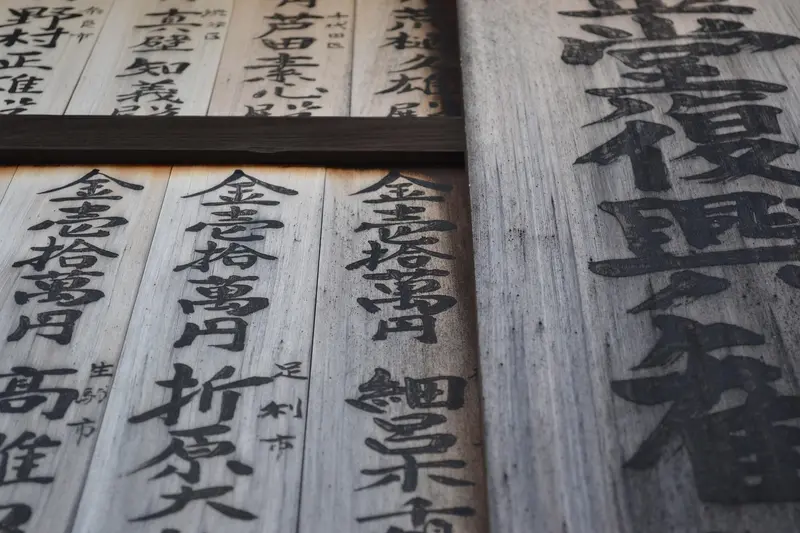
Three Japanese Words I Wish English Had
Some ideas need their own word
Model script
Hello, everyone. When I speak English, sometimes I want to say something, but there's no perfect word for it. Today, I'll introduce three Japanese words I wish English had.
Your recording
Say this slide out loud, then listen to yourself.
Recordings stay on this device and disappear when you leave the page.
Useful phrases
there's no perfect word for it
No word explains it exactly.
I wish English had
I would like English to have.
Full script
Read the whole talk.
All slides in one place. Read it through once, then practice slide by slide.
01Three Japanese Words I Wish English Had
Hello, everyone. When I speak English, sometimes I want to say something, but there's no perfect word for it. Today, I'll introduce three Japanese words I wish English had.
Hola a todos. Cuando hablo inglés, a veces quiero decir algo, pero no existe una palabra perfecta para ello. Hoy les presentaré tres palabras japonesas que me gustaría que existieran en inglés.
02Word 1: Tsundoku
The first word is tsundoku. It means buying books and letting them pile up without reading them. To be honest, my room is full of tsundoku.
La primera palabra es tsundoku. Significa comprar libros y dejar que se acumulen sin leerlos. Para ser honesto, mi cuarto está lleno de tsundoku.
03Word 2: Komorebi
The second word is komorebi. It describes the sunlight that shines through the leaves of trees. In English, you need a whole sentence to say it, but in Japanese, it's just one beautiful word.
La segunda palabra es komorebi. Describe la luz del sol que se filtra entre las hojas de los árboles. En inglés se necesita una oración entera para decirlo, pero en japonés es solo una palabra hermosa.
04Word 3: Mottainai
The third word is mottainai. We say it when something useful is wasted, like leftover food. It's not only "What a waste!" It also shows respect for things and the people who made them.
La tercera palabra es mottainai. La decimos cuando se desperdicia algo útil, como la comida que sobra. No es solo «¡Qué desperdicio!». También muestra respeto por las cosas y por las personas que las hicieron.
05Side by Side
Here they are side by side. Each word packs a lot of meaning into a small space.
Aquí están, una al lado de la otra. Cada palabra encierra mucho significado en muy poco espacio.
06Why These Words Matter
I think these words show what Japanese people notice and care about: nature, respect, and, maybe, a love of books. Learning words like these helps you understand a culture, not just a language.
Creo que estas palabras muestran lo que los japoneses notan y valoran: la naturaleza, el respeto y, tal vez, el amor por los libros. Aprender palabras como estas te ayuda a entender una cultura, no solo un idioma.
07Conclusion
So, those are my three words: tsundoku, komorebi, and mottainai. Now I'm curious: what word from your language would you like to share with the world? Thank you.
Así que esas son mis tres palabras: tsundoku, komorebi y mottainai. Ahora tengo curiosidad: ¿qué palabra de su idioma les gustaría compartir con el mundo? Gracias.
Cover photo by Pexels on Pixabay