Why Is the World Moving to Cities?
AdvancedSociety & EnvironmentGuion modelo de una presentación en inglés con traducción al español. Escucha y practica diapositiva por diapositiva.
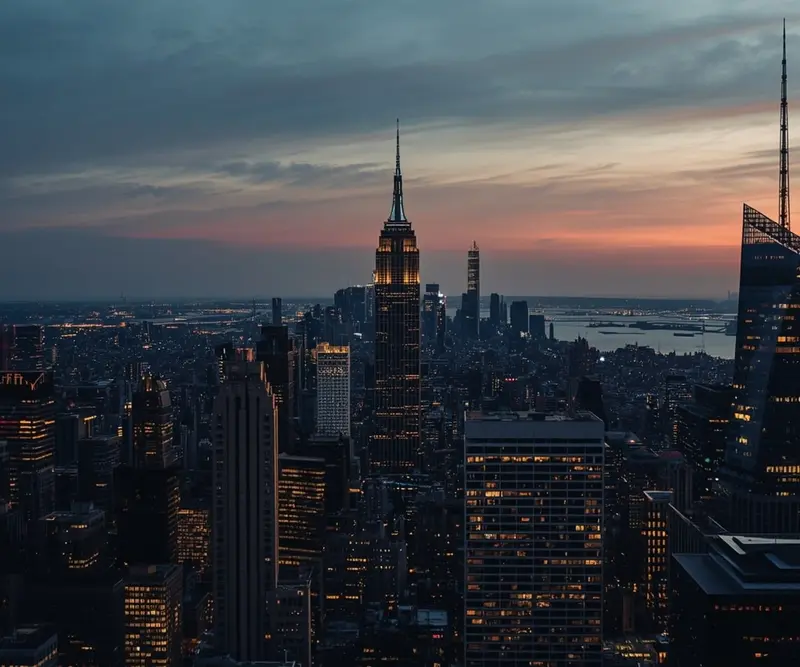
Why Is the World Moving to Cities?
A global trend
Model script
Good afternoon, everyone. My grandparents grew up in a small village in Vietnam. Today, all of their children and grandchildren live in cities, including me in Ho Chi Minh City. My family isn't unusual. Today, I'll look at why the world is moving to cities.
Your recording
Say this slide out loud, then listen to yourself.
Recordings stay on this device and disappear when you leave the page.
Useful phrases
grew up in
Lived there as children.
isn't unusual
Is normal and common.
Full script
Read the whole talk.
All slides in one place. Read it through once, then practice slide by slide.
01Why Is the World Moving to Cities?
Good afternoon, everyone. My grandparents grew up in a small village in Vietnam. Today, all of their children and grandchildren live in cities, including me in Ho Chi Minh City. My family isn't unusual. Today, I'll look at why the world is moving to cities.
Buenas tardes a todos. Mis abuelos crecieron en un pequeño pueblo de Vietnam. Hoy, todos sus hijos y nietos viven en ciudades, incluyéndome a mí, en Ciudad Ho Chi Minh. Mi familia no es un caso raro. Hoy veremos por qué el mundo se está mudando a las ciudades.
02The Numbers
According to the United Nations' 2018 estimates, fifty-five percent of the world's population lived in urban areas. By 2050, that share was projected to rise to sixty-eight percent.
Según las estimaciones de las Naciones Unidas de 2018, el 55% de la población mundial vivía en zonas urbanas. Para 2050, se preveía que esa proporción subiera al 68%.
Source: United Nations DESA, World Urbanization Prospects: The 2018 Revision
03Where the Growth Will Happen
The UN also projected that close to ninety percent of the increase in urban population would take place in Asia and Africa. In other words, the biggest changes are happening in countries like mine.
La ONU también preveía que cerca del 90% del aumento de la población urbana se produciría en Asia y África. En otras palabras, los mayores cambios están ocurriendo en países como el mío.
Source: United Nations DESA, World Urbanization Prospects: The 2018 Revision
04Why People Move
Why do people move? In my family, the reasons were simple: jobs, universities, and better hospitals. Cities offer opportunities that many villages can't.
¿Por qué se muda la gente? En mi familia, los motivos fueron sencillos: trabajo, universidades y mejores hospitales. Las ciudades ofrecen oportunidades que muchos pueblos no pueden ofrecer.
05Challenges for Cities
But fast growth brings challenges. In my city, rents have gone up, traffic jams are part of daily life, and on some days, the air is visibly polluted.
Pero el crecimiento rápido trae desafíos. En mi ciudad, los alquileres han subido, los atascos forman parte de la vida diaria y, algunos días, se ve a simple vista que el aire está contaminado.
06Challenges for Villages
Villages face problems too. When young people leave, older people are often left behind, and schools and shops may close. My grandparents' village has far fewer children than when my mother grew up.
Los pueblos también tienen problemas. Cuando los jóvenes se van, las personas mayores suelen quedarse atrás, y las escuelas y las tiendas pueden cerrar. En el pueblo de mis abuelos hay muchos menos niños que cuando mi madre era pequeña.
07What Could Help
What could help? Cities need better public transport and affordable housing. At the same time, internet access and remote work could give some people the choice to stay in their villages.
¿Qué podría ayudar? Las ciudades necesitan mejor transporte público y vivienda asequible. Al mismo tiempo, el acceso a internet y el trabajo a distancia podrían darles a algunas personas la opción de quedarse en sus pueblos.
08Conclusion
To conclude, the move to cities is one of the biggest changes of our time. If we plan our cities well and support villages too, more people can choose where they want to live, not just where they have to. Thank you.
Para concluir, la migración a las ciudades es uno de los mayores cambios de nuestra época. Si planificamos bien nuestras ciudades y también apoyamos a los pueblos, más personas podrán elegir dónde quieren vivir, y no solo dónde tienen que vivir. Gracias.
Cover photo by LingerBlinker on Pixabay