Why Is the World Moving to Cities?
AdvancedSociety & Environment英语演讲的示范讲稿与中文翻译。每一页都可以听示范、开口练习。
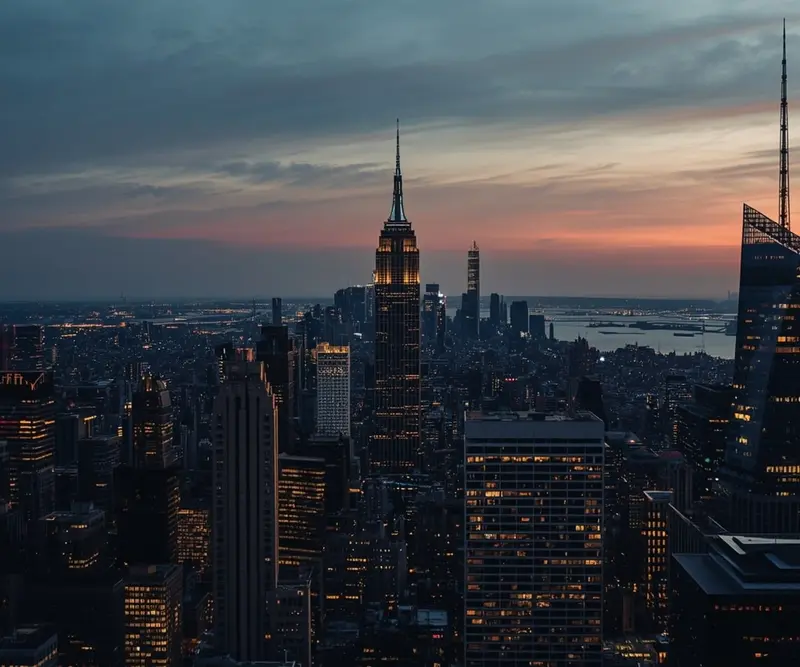
Why Is the World Moving to Cities?
A global trend
Model script
Good afternoon, everyone. My grandparents grew up in a small village in Vietnam. Today, all of their children and grandchildren live in cities, including me in Ho Chi Minh City. My family isn't unusual. Today, I'll look at why the world is moving to cities.
Your recording
Say this slide out loud, then listen to yourself.
Recordings stay on this device and disappear when you leave the page.
Useful phrases
grew up in
Lived there as children.
isn't unusual
Is normal and common.
Full script
Read the whole talk.
All slides in one place. Read it through once, then practice slide by slide.
01Why Is the World Moving to Cities?
Good afternoon, everyone. My grandparents grew up in a small village in Vietnam. Today, all of their children and grandchildren live in cities, including me in Ho Chi Minh City. My family isn't unusual. Today, I'll look at why the world is moving to cities.
大家下午好。我的祖父母是在越南的一个小村庄长大的。如今,他们所有的子女和孙辈都住在城市里,包括住在胡志明市的我。我家的情况并不少见。今天,我们来看看为什么全世界的人都在往城市迁移。
02The Numbers
According to the United Nations' 2018 estimates, fifty-five percent of the world's population lived in urban areas. By 2050, that share was projected to rise to sixty-eight percent.
根据联合国2018年的估计,世界上55%的人口住在城市地区。预计到2050年,这个比例将上升到68%。
Source: United Nations DESA, World Urbanization Prospects: The 2018 Revision
03Where the Growth Will Happen
The UN also projected that close to ninety percent of the increase in urban population would take place in Asia and Africa. In other words, the biggest changes are happening in countries like mine.
联合国还预测,城市人口增长中将近90%会发生在亚洲和非洲。换句话说,最大的变化正发生在像我的国家这样的地方。
Source: United Nations DESA, World Urbanization Prospects: The 2018 Revision
04Why People Move
Why do people move? In my family, the reasons were simple: jobs, universities, and better hospitals. Cities offer opportunities that many villages can't.
人们为什么要搬走呢?在我家,理由很简单:工作、大学和更好的医院。城市能提供很多村庄无法提供的机会。
05Challenges for Cities
But fast growth brings challenges. In my city, rents have gone up, traffic jams are part of daily life, and on some days, the air is visibly polluted.
但是快速发展也带来了挑战。在我的城市,房租涨了,堵车成了日常生活的一部分,有些日子,空气污染肉眼可见。
06Challenges for Villages
Villages face problems too. When young people leave, older people are often left behind, and schools and shops may close. My grandparents' village has far fewer children than when my mother grew up.
村庄也面临问题。年轻人离开后,老人常常被留下,学校和商店也可能关门。我祖父母的村子里,孩子比我妈妈小时候少多了。
07What Could Help
What could help? Cities need better public transport and affordable housing. At the same time, internet access and remote work could give some people the choice to stay in their villages.
什么能有所帮助呢?城市需要更好的公共交通和价格合理的住房。同时,网络和远程工作也可以让一些人有机会选择留在村里。
08Conclusion
To conclude, the move to cities is one of the biggest changes of our time. If we plan our cities well and support villages too, more people can choose where they want to live, not just where they have to. Thank you.
最后总结一下,向城市迁移是我们这个时代最大的变化之一。如果我们把城市规划好,同时也支持村庄,就会有更多人能选择自己想住的地方,而不只是不得不住的地方。谢谢大家。
Cover photo by LingerBlinker on Pixabay