Why Is the World Moving to Cities?
AdvancedSociety & Environment英語プレゼンのお手本の原稿と日本語訳。スライドごとに、聞いて・話して練習できます。
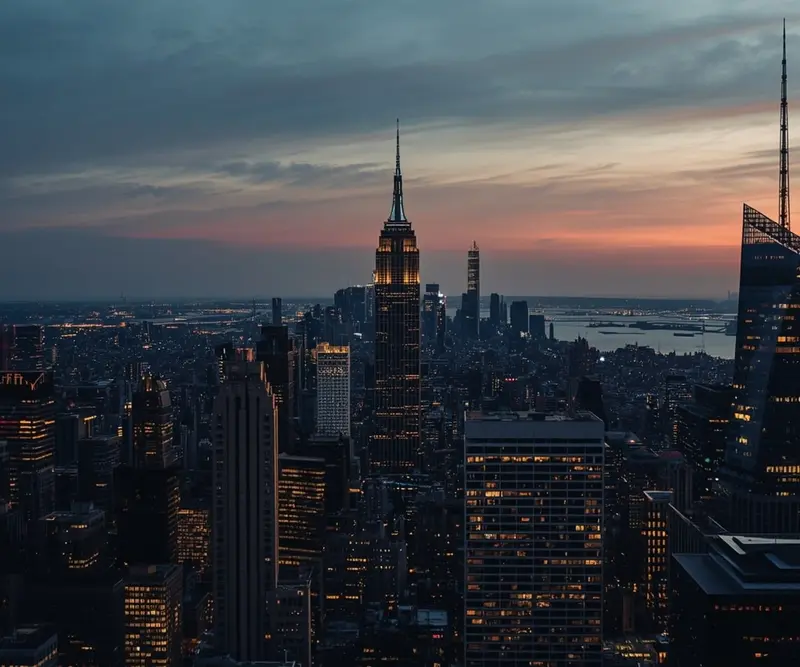
Why Is the World Moving to Cities?
A global trend
Model script
Good afternoon, everyone. My grandparents grew up in a small village in Vietnam. Today, all of their children and grandchildren live in cities, including me in Ho Chi Minh City. My family isn't unusual. Today, I'll look at why the world is moving to cities.
Your recording
Say this slide out loud, then listen to yourself.
Recordings stay on this device and disappear when you leave the page.
Useful phrases
grew up in
Lived there as children.
isn't unusual
Is normal and common.
Full script
Read the whole talk.
All slides in one place. Read it through once, then practice slide by slide.
01Why Is the World Moving to Cities?
Good afternoon, everyone. My grandparents grew up in a small village in Vietnam. Today, all of their children and grandchildren live in cities, including me in Ho Chi Minh City. My family isn't unusual. Today, I'll look at why the world is moving to cities.
皆さん、こんにちは。祖父母は、ベトナムの小さな村で育ちました。今では、ホーチミン市に住む私も含めて、祖父母の子どもと孫はみんな都市で暮らしています。私の家族が特別なわけではありません。今日は、なぜ世界が都市へ移っているのかを見ていきます。
02The Numbers
According to the United Nations' 2018 estimates, fifty-five percent of the world's population lived in urban areas. By 2050, that share was projected to rise to sixty-eight percent.
国連の2018年の推計によると、世界の人口の55%が都市部に住んでいました。2050年までに、その割合は68%に上がると予測されていました。
Source: United Nations DESA, World Urbanization Prospects: The 2018 Revision
03Where the Growth Will Happen
The UN also projected that close to ninety percent of the increase in urban population would take place in Asia and Africa. In other words, the biggest changes are happening in countries like mine.
国連は、都市の人口の増加の90%近くが、アジアとアフリカで起きるとも予測していました。つまり、一番大きな変化は、私の国のような国で起きているのです。
Source: United Nations DESA, World Urbanization Prospects: The 2018 Revision
04Why People Move
Why do people move? In my family, the reasons were simple: jobs, universities, and better hospitals. Cities offer opportunities that many villages can't.
人々はなぜ移るのでしょうか?私の家族の場合、理由は単純でした。仕事、大学、そしてより良い病院です。都市には、多くの村にはないチャンスがあります。
05Challenges for Cities
But fast growth brings challenges. In my city, rents have gone up, traffic jams are part of daily life, and on some days, the air is visibly polluted.
でも、急な成長は課題ももたらします。私の街では、家賃が上がり、渋滞は毎日の生活の一部になり、空気が汚れているのが目に見える日もあります。
06Challenges for Villages
Villages face problems too. When young people leave, older people are often left behind, and schools and shops may close. My grandparents' village has far fewer children than when my mother grew up.
村にも問題があります。若い人が出ていくと、お年寄りが取り残されることが多く、学校やお店が閉まってしまうこともあります。祖父母の村には、母が育ったころよりずっと子どもが少なくなっています。
07What Could Help
What could help? Cities need better public transport and affordable housing. At the same time, internet access and remote work could give some people the choice to stay in their villages.
何が助けになるでしょうか?都市には、より良い公共交通と手ごろな住宅が必要です。同時に、インターネットとリモートワークがあれば、村に残るという選択ができるようになる人もいるかもしれません。
08Conclusion
To conclude, the move to cities is one of the biggest changes of our time. If we plan our cities well and support villages too, more people can choose where they want to live, not just where they have to. Thank you.
まとめると、都市への移動は、私たちの時代の最も大きな変化の一つです。都市をうまく計画し、村も支えていけば、もっと多くの人が、住まなければならない場所ではなく、住みたい場所を選べるようになります。ありがとうございました。
Cover photo by LingerBlinker on Pixabay