Why Primary Schools Should Stop Giving Homework
AdvancedForSchool & StudyGuion modelo de una presentación en inglés con traducción al español. Escucha y practica diapositiva por diapositiva.
Practice the other side:Why Primary Schools Should Keep a Little Homework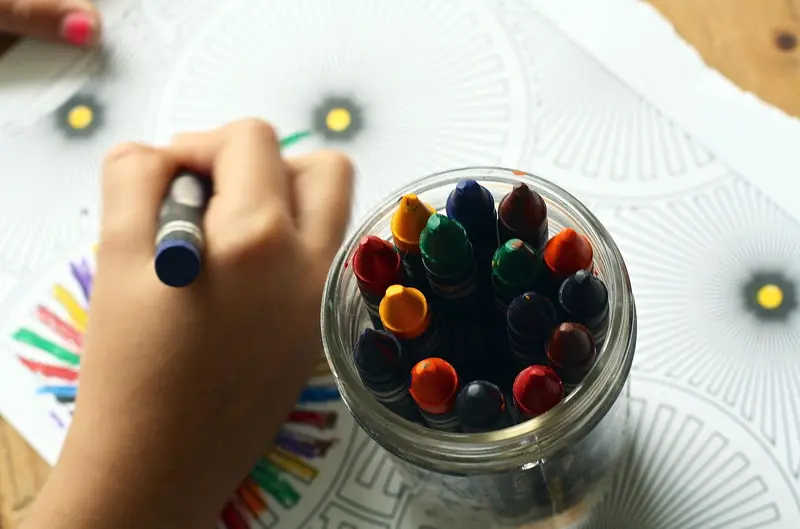
Why Primary Schools Should Stop Giving Homework
Let children be children
Model script
Good evening, parents and teachers. I'm a mother of two, and every evening I watch my eight-year-old cry over worksheets at the kitchen table. Tonight, I'll argue that primary schools should stop giving regular homework.
Your recording
Say this slide out loud, then listen to yourself.
Recordings stay on this device and disappear when you leave the page.
Useful phrases
cry over
Cry because of.
I'll argue that
I will give reasons to support an opinion.
Full script
Read the whole talk.
All slides in one place. Read it through once, then practice slide by slide.
01Why Primary Schools Should Stop Giving Homework
Good evening, parents and teachers. I'm a mother of two, and every evening I watch my eight-year-old cry over worksheets at the kitchen table. Tonight, I'll argue that primary schools should stop giving regular homework.
Buenas noches, padres y profesores. Soy madre de dos hijos, y todas las tardes veo a mi hija de ocho años llorar con sus fichas de tarea en la mesa de la cocina. Esta noche voy a defender que las escuelas primarias dejen de dejar tareas de forma regular.
02What I'm Proposing
Let me be clear about what I'm proposing. I'm not against learning at home. I'm against regular homework sheets for young children. Reading together for fun should still be encouraged.
Déjenme aclarar lo que propongo. No estoy en contra de aprender en casa. Estoy en contra de las fichas de tarea regulares para niños pequeños. Leer juntos por diversión debería seguir fomentándose.
03Reason 1: Little Evidence for Young Children
My first reason is evidence. A well-known 2006 review of homework research by Harris Cooper and colleagues found that homework is clearly linked to achievement in middle and high school, but the link is very weak for young primary school students.
Mi primera razón es la evidencia. Una conocida revisión de 2006 sobre la investigación acerca de las tareas, hecha por Harris Cooper y sus colegas, encontró que las tareas están claramente relacionadas con el rendimiento en secundaria y bachillerato, pero que esa relación es muy débil en los alumnos pequeños de primaria.
Source: Cooper, Robinson & Patall, "Does homework improve academic achievement? A synthesis of research, 1987–2003," Review of Educational Research (2006)
04Reason 2: Time for Play and Rest
My second reason is time. Young children learn a lot through play, conversations with family, and simply resting. Every hour of worksheets is an hour taken from those things.
Mi segunda razón es el tiempo. Los niños pequeños aprenden mucho a través del juego, las conversaciones en familia y simplemente descansando. Cada hora de fichas es una hora que se les quita a esas cosas.
05Reason 3: Fairness
My third reason is fairness. Some children have parents who can help every evening. Others have parents working late. Homework can widen the gap between them, instead of closing it.
Mi tercera razón es la equidad. Algunos niños tienen padres que pueden ayudarlos todas las tardes. Otros tienen padres que trabajan hasta tarde. Las tareas pueden ampliar la brecha entre ellos, en lugar de cerrarla.
06"But Children Need Routines"
Some parents say homework builds good study routines. I understand that. But a short daily reading time can build routines too, and schools can teach study habits during the school day.
Algunos padres dicen que las tareas crean buenas rutinas de estudio. Lo entiendo. Pero un rato diario de lectura también puede crear rutinas, y las escuelas pueden enseñar hábitos de estudio durante la jornada escolar.
07What Schools Could Do Instead
Instead of worksheets, schools could encourage fifteen minutes of reading together each day, offer optional fun projects, and do practice exercises in class, where teachers can help.
En lugar de fichas, las escuelas podrían fomentar quince minutos de lectura juntos cada día, ofrecer proyectos divertidos opcionales y hacer los ejercicios de práctica en clase, donde los profesores pueden ayudar.
08Conclusion
To conclude, the research gives little support for regular homework in primary school, and childhood is short. Let's give young children their evenings back. Thank you.
Para concluir, la investigación apoya poco las tareas regulares en primaria, y la infancia es corta. Devolvámosles las tardes a los niños pequeños. Gracias.
Cover photo by ponce_photography on Pixabay