Why Primary Schools Should Stop Giving Homework
AdvancedForSchool & Study英文簡報的示範講稿與中文翻譯。每一頁都可以聽示範、開口練習。
Practice the other side:Why Primary Schools Should Keep a Little Homework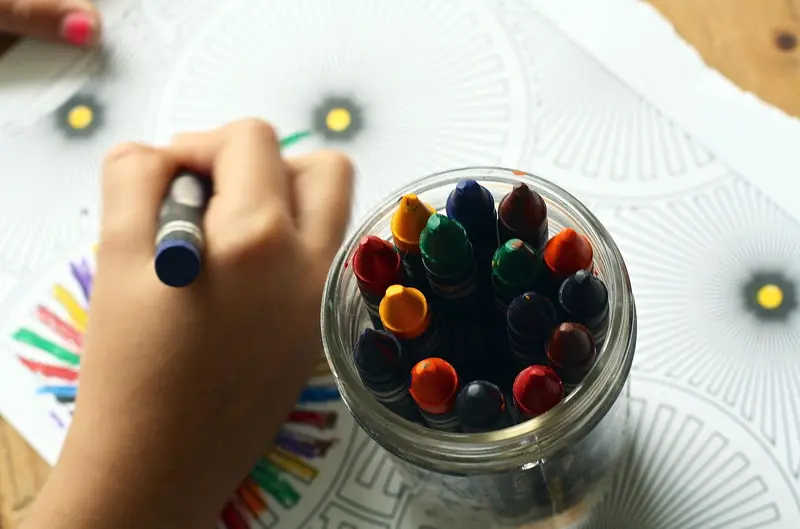
Why Primary Schools Should Stop Giving Homework
Let children be children
Model script
Good evening, parents and teachers. I'm a mother of two, and every evening I watch my eight-year-old cry over worksheets at the kitchen table. Tonight, I'll argue that primary schools should stop giving regular homework.
Your recording
Say this slide out loud, then listen to yourself.
Recordings stay on this device and disappear when you leave the page.
Useful phrases
cry over
Cry because of.
I'll argue that
I will give reasons to support an opinion.
Full script
Read the whole talk.
All slides in one place. Read it through once, then practice slide by slide.
01Why Primary Schools Should Stop Giving Homework
Good evening, parents and teachers. I'm a mother of two, and every evening I watch my eight-year-old cry over worksheets at the kitchen table. Tonight, I'll argue that primary schools should stop giving regular homework.
各位家長、各位老師,晚安。我是兩個孩子的媽媽,每天晚上,我都看著我八歲的孩子在廚房餐桌前對著練習單哭。今晚,我要論證小學應該停止佈置日常家庭作業。
02What I'm Proposing
Let me be clear about what I'm proposing. I'm not against learning at home. I'm against regular homework sheets for young children. Reading together for fun should still be encouraged.
讓我先說清楚我的提議。我並不反對在家學習。我反對的是給年幼的孩子佈置日常的作業練習單。一起開心地讀書,仍然應該鼓勵。
03Reason 1: Little Evidence for Young Children
My first reason is evidence. A well-known 2006 review of homework research by Harris Cooper and colleagues found that homework is clearly linked to achievement in middle and high school, but the link is very weak for young primary school students.
我的第一個理由是證據。哈里斯·庫珀和同事們在2006年發表了一篇關於家庭作業研究的著名綜述,發現家庭作業和初中、高中階段的學業成績有明顯關聯,但對小學低年級的學生來說,這種關聯非常弱。
Source: Cooper, Robinson & Patall, "Does homework improve academic achievement? A synthesis of research, 1987–2003," Review of Educational Research (2006)
04Reason 2: Time for Play and Rest
My second reason is time. Young children learn a lot through play, conversations with family, and simply resting. Every hour of worksheets is an hour taken from those things.
我的第二個理由是時間。年幼的孩子透過玩耍、和家人聊天,甚至只是休息,就能學到很多東西。每做一個小時的練習單,就從這些事情中拿走了一個小時。
05Reason 3: Fairness
My third reason is fairness. Some children have parents who can help every evening. Others have parents working late. Homework can widen the gap between them, instead of closing it.
我的第三個理由是公平。有些孩子的父母每天晚上都能幫忙,而有些孩子的父母要工作到很晚。家庭作業可能會拉大他們之間的差距,而不是縮小差距。
06"But Children Need Routines"
Some parents say homework builds good study routines. I understand that. But a short daily reading time can build routines too, and schools can teach study habits during the school day.
有些家長說,家庭作業能培養良好的學習習慣。我能理解。但每天一小段閱讀時間同樣能培養習慣,而且學校可以在上課時間教孩子學習方法。
07What Schools Could Do Instead
Instead of worksheets, schools could encourage fifteen minutes of reading together each day, offer optional fun projects, and do practice exercises in class, where teachers can help.
學校可以不佈置練習單,而是鼓勵每天一起讀書十五分鐘,提供可自由選擇的有趣專案,並把練習放在課堂上做,讓老師可以幫忙。
08Conclusion
To conclude, the research gives little support for regular homework in primary school, and childhood is short. Let's give young children their evenings back. Thank you.
最後,研究幾乎不支援在小學佈置日常家庭作業,而童年又很短暫。讓我們把晚上的時間還給年幼的孩子們吧。謝謝大家。
Cover photo by ponce_photography on Pixabay