Why Primary Schools Should Keep a Little Homework
AdvancedAgainstSchool & Study英文簡報的示範講稿與中文翻譯。每一頁都可以聽示範、開口練習。
Practice the other side:Why Primary Schools Should Stop Giving Homework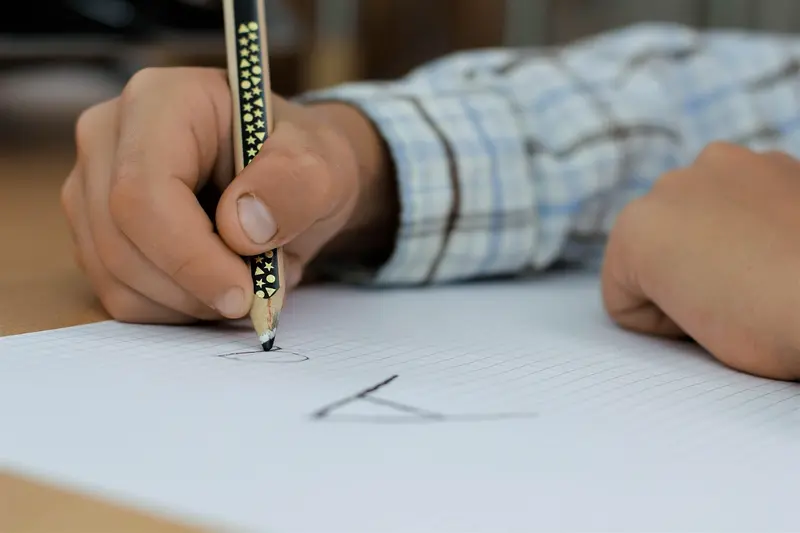
Why Primary Schools Should Keep a Little Homework
Better homework, not no homework
Model script
Good evening, parents and teachers. I've taught primary school for fifteen years. Some people want to stop homework completely for young children. Tonight, I'll argue that we should keep a little homework, but make it much better.
Your recording
Say this slide out loud, then listen to yourself.
Recordings stay on this device and disappear when you leave the page.
Useful phrases
I've taught ... for
I started teaching in the past and still do.
make it much better
Improve it a lot.
Full script
Read the whole talk.
All slides in one place. Read it through once, then practice slide by slide.
01Why Primary Schools Should Keep a Little Homework
Good evening, parents and teachers. I've taught primary school for fifteen years. Some people want to stop homework completely for young children. Tonight, I'll argue that we should keep a little homework, but make it much better.
各位家長、各位老師,晚安。我在小學教書已經十五年了。有些人希望完全取消低齡孩子的家庭作業。今晚,我要論證我們應該保留少量作業,但要把作業變得好得多。
02Admittedly, the Research Is Mixed
Admittedly, the research doesn't strongly support homework for young children. A well-known 2006 review by Harris Cooper and colleagues found that the link between homework and achievement is very weak in primary school, though much clearer in older grades.
誠然,研究並不強烈支援給年幼的孩子佈置作業。哈里斯·庫珀和同事們在2006年發表的一篇著名綜述發現,在小學階段,家庭作業和學業成績的關聯非常弱,不過在高年級就明顯得多。
Source: Cooper, Robinson & Patall, "Does homework improve academic achievement? A synthesis of research, 1987–2003," Review of Educational Research (2006)
03Reason 1: Test Scores Aren't the Only Goal
But test scores aren't the only purpose of homework. Small, regular tasks teach children responsibility: remembering a task, managing time, and finishing something on their own. These habits matter later.
但考試成績並不是家庭作業的唯一目的。小而規律的作業能教會孩子責任感:記住要做的事、安排時間,並且獨立完成一件事。這些習慣在以後很重要。
04Reason 2: A Window for Parents
Homework is also a window for parents. When a child brings home a short task, parents can see what they're learning and talk about it at dinner. Without any homework, many parents would know much less.
家庭作業也是家長了解孩子的一扇窗。孩子帶回一份簡短的作業,家長就能看到孩子在學什麼,還能在晚飯時聊一聊。如果完全沒有作業,很多家長知道的會少得多。
05Reason 3: A Smooth Step to Older Grades
Finally, the same review found a much clearer link in middle and high school. If children never do any homework until they're older, the sudden change can be hard. A little practice earlier makes that step smoother.
最後,同一篇綜述發現,在初中和高中階段,這種關聯要明顯得多。如果孩子在長大之前從來不做作業,突然的變化可能會很難適應。早一點做些練習,能讓這一步走得更順。
Source: Cooper, Robinson & Patall, "Does homework improve academic achievement? A synthesis of research, 1987–2003," Review of Educational Research (2006)
06The Real Problem: Bad Homework
I agree with one thing my colleagues say: a lot of homework is bad. It's too long, too hard to do without help, or just boring. The answer isn't zero homework. It's better homework.
我同意同事們說的一點:很多作業確實不好。要麼太長,要麼沒人幫忙就很難完成,要麼就是無聊。解決辦法不是零作業,而是更好的作業。
07What Good Homework Looks Like
Good homework for young children is short, about ten to fifteen minutes, and something they can do without a parent's help. For example, reading a story, interviewing a grandparent, or counting leaves in the park.
適合年幼孩子的好作業應該簡短,大約十到十五分鐘,而且不需要家長幫忙就能完成。比如,讀一個故事、採訪爺爺奶奶,或者在公園裡數樹葉。
08Conclusion
To conclude, the research gives us a good reason to cut long, stressful homework, but not to remove it completely. Let's give young children a little homework that is short, simple, and meaningful. Thank you.
最後,研究給了我們充分的理由去減少冗長、讓人有壓力的作業,但並不是完全取消作業的理由。讓我們給年幼的孩子一點簡短、簡單而有意義的作業吧。謝謝大家。
Cover photo by NeiFo on Pixabay