Why Primary Schools Should Keep a Little Homework
AdvancedAgainstSchool & Study英語プレゼンのお手本の原稿と日本語訳。スライドごとに、聞いて・話して練習できます。
Practice the other side:Why Primary Schools Should Stop Giving Homework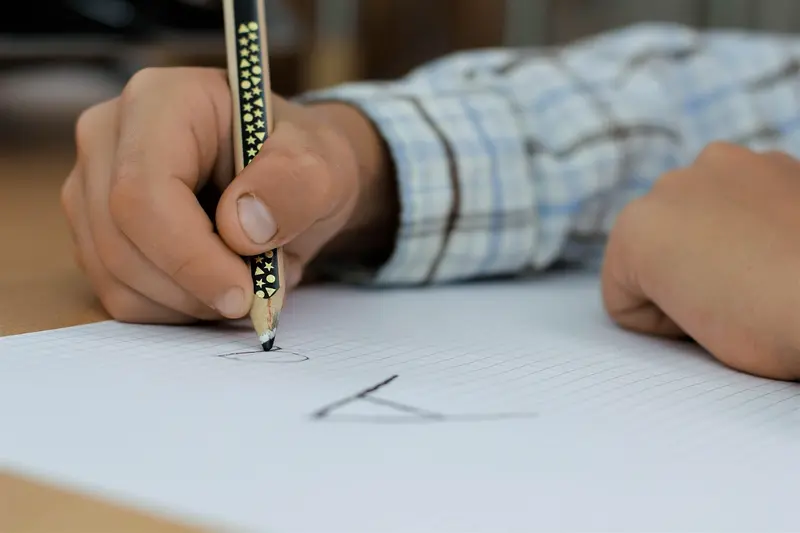
Why Primary Schools Should Keep a Little Homework
Better homework, not no homework
Model script
Good evening, parents and teachers. I've taught primary school for fifteen years. Some people want to stop homework completely for young children. Tonight, I'll argue that we should keep a little homework, but make it much better.
Your recording
Say this slide out loud, then listen to yourself.
Recordings stay on this device and disappear when you leave the page.
Useful phrases
I've taught ... for
I started teaching in the past and still do.
make it much better
Improve it a lot.
Full script
Read the whole talk.
All slides in one place. Read it through once, then practice slide by slide.
01Why Primary Schools Should Keep a Little Homework
Good evening, parents and teachers. I've taught primary school for fifteen years. Some people want to stop homework completely for young children. Tonight, I'll argue that we should keep a little homework, but make it much better.
保護者と先生の皆さん、こんばんは。私は15年間、小学校で教えてきました。小さな子どもの宿題を完全になくしたいと考える人もいます。今夜は、宿題は少し残すべきだけれど、ずっと良いものにするべきだと主張します。
02Admittedly, the Research Is Mixed
Admittedly, the research doesn't strongly support homework for young children. A well-known 2006 review by Harris Cooper and colleagues found that the link between homework and achievement is very weak in primary school, though much clearer in older grades.
確かに、研究は小さな子どもの宿題を強く支持してはいません。ハリス・クーパーらによる2006年のよく知られたレビューによると、宿題と学力の関係は、小学校ではとても弱く、上の学年ではずっとはっきりしていました。
Source: Cooper, Robinson & Patall, "Does homework improve academic achievement? A synthesis of research, 1987–2003," Review of Educational Research (2006)
03Reason 1: Test Scores Aren't the Only Goal
But test scores aren't the only purpose of homework. Small, regular tasks teach children responsibility: remembering a task, managing time, and finishing something on their own. These habits matter later.
でも、宿題の目的はテストの点数だけではありません。小さな課題を毎日続けることで、子どもたちは責任感を学びます。課題を覚えておくこと、時間をやりくりすること、そして自分の力で何かをやり終えることです。こうした習慣は、あとで大切になります。
04Reason 2: A Window for Parents
Homework is also a window for parents. When a child brings home a short task, parents can see what they're learning and talk about it at dinner. Without any homework, many parents would know much less.
宿題は、親にとっての窓でもあります。子どもが短い課題を持ち帰れば、親は子どもが何を学んでいるかが分かり、夕食のときにその話ができます。宿題がまったくなければ、多くの親は、ずっと少ししか知ることができないでしょう。
05Reason 3: A Smooth Step to Older Grades
Finally, the same review found a much clearer link in middle and high school. If children never do any homework until they're older, the sudden change can be hard. A little practice earlier makes that step smoother.
最後に、同じレビューでは、中学校や高校ではずっとはっきりした関係が見られました。大きくなるまで一度も宿題をしたことがなければ、急な変化は大変かもしれません。早めに少し練習しておけば、その一歩がなめらかになります。
Source: Cooper, Robinson & Patall, "Does homework improve academic achievement? A synthesis of research, 1987–2003," Review of Educational Research (2006)
06The Real Problem: Bad Homework
I agree with one thing my colleagues say: a lot of homework is bad. It's too long, too hard to do without help, or just boring. The answer isn't zero homework. It's better homework.
同僚たちの言うことの一つには同意します。多すぎる宿題は良くありません。長すぎたり、手伝いなしでは難しすぎたり、ただ退屈だったりするのです。答えは宿題をゼロにすることではありません。より良い宿題にすることです。
07What Good Homework Looks Like
Good homework for young children is short, about ten to fifteen minutes, and something they can do without a parent's help. For example, reading a story, interviewing a grandparent, or counting leaves in the park.
小さな子どもにとって良い宿題とは、10分から15分くらいの短いもので、親の手伝いなしでできるものです。たとえば、お話を読む、おじいちゃんやおばあちゃんにインタビューする、公園で葉っぱを数える、といったことです。
08Conclusion
To conclude, the research gives us a good reason to cut long, stressful homework, but not to remove it completely. Let's give young children a little homework that is short, simple, and meaningful. Thank you.
まとめると、研究は長くてストレスのたまる宿題を減らす十分な理由にはなりますが、完全になくす理由にはなりません。小さな子どもたちには、短くて、簡単で、意味のある宿題を少しだけ出しましょう。ありがとうございました。
Cover photo by NeiFo on Pixabay