Why I Stopped Rushing and Started Slow Travel
AdvancedTravel & PlacesGuion modelo de una presentación en inglés con traducción al español. Escucha y practica diapositiva por diapositiva.
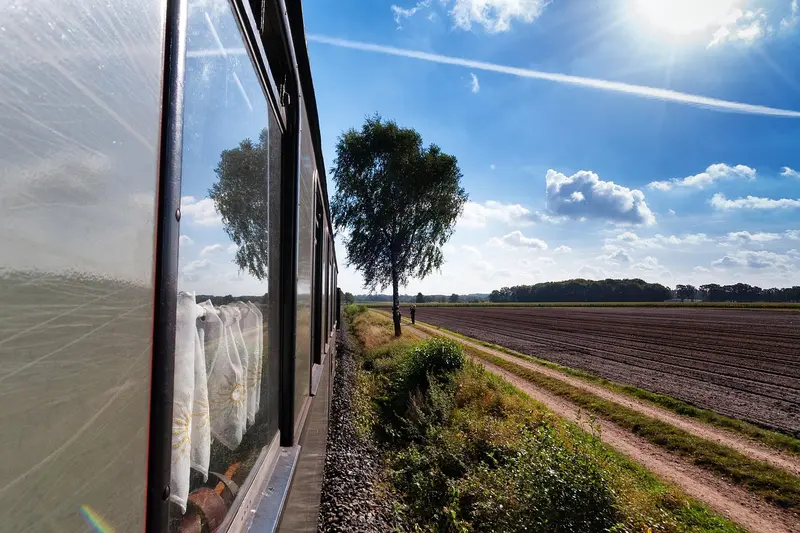
Why I Stopped Rushing and Started Slow Travel
Fewer places, deeper experiences
Model script
Good evening, everyone. I'm a sixty-five-year-old retired engineer from Canada, and I've been traveling for most of my life. Tonight, I'd like to recommend something that changed how I see the world: slow travel.
Your recording
Say this slide out loud, then listen to yourself.
Recordings stay on this device and disappear when you leave the page.
Useful phrases
I've been traveling for
I started traveling in the past and still do it.
changed how I see
Made me think about something differently.
Full script
Read the whole talk.
All slides in one place. Read it through once, then practice slide by slide.
01Why I Stopped Rushing and Started Slow Travel
Good evening, everyone. I'm a sixty-five-year-old retired engineer from Canada, and I've been traveling for most of my life. Tonight, I'd like to recommend something that changed how I see the world: slow travel.
Buenas noches a todos. Soy un ingeniero jubilado de sesenta y cinco años, de Canadá, y he viajado durante casi toda mi vida. Esta noche quiero recomendarles algo que cambió mi forma de ver el mundo: el viaje lento.
02How I Used to Travel
For years, I traveled like many people do. I'd try to see five cities in ten days, spending more time on trains and in lines than actually enjoying the places.
Durante años, viajé como lo hace mucha gente. Intentaba ver cinco ciudades en diez días, y pasaba más tiempo en trenes y en filas que disfrutando de verdad los lugares.
03What Is Slow Travel?
Slow travel means the opposite. You stay in one place for a week or more, rent a small apartment, shop at the local market, and let the days unfold without a strict plan.
El viaje lento es justo lo contrario. Uno se queda en un mismo lugar una semana o más, alquila un apartamento pequeño, compra en el mercado local y deja que los días transcurran sin un plan estricto.
04Benefit 1: Real Connections
The biggest benefit is connection. After a few days in a small Portuguese town, the baker knew my name, and a neighbor invited me to a family dinner. That never happened when I was rushing.
El mayor beneficio es la conexión. Después de unos días en un pequeño pueblo portugués, el panadero ya sabía mi nombre, y un vecino me invitó a una cena familiar. Eso nunca me pasó cuando viajaba con prisa.
05Benefit 2: Less Stress, Lower Costs
Slow travel is also more relaxing and often cheaper. You buy fewer tickets, weekly rentals usually cost less per night, and you can cook some of your own meals.
El viaje lento también es más relajante y, a menudo, más barato. Se compran menos boletos, los alquileres semanales suelen costar menos por noche y uno puede cocinar algunas de sus propias comidas.
06Admittedly, It's Not for Everyone
Admittedly, slow travel isn't for everyone. It needs more time off, and you'll see fewer famous sights. But even on a short trip, you can choose two places instead of five.
Hay que reconocer que el viaje lento no es para todo el mundo. Requiere más días libres, y se ven menos lugares famosos. Pero incluso en un viaje corto, pueden elegir dos lugares en vez de cinco.
07How to Try It
If you'd like to try it, start small. Pick one base town, take short day trips from there, and leave at least one day completely free.
Si quieren probarlo, empiecen poco a poco. Elijan un pueblo como base, hagan excursiones cortas de un día desde allí y dejen al menos un día totalmente libre.
08Conclusion
In the end, travel isn't a race. When you see less, you often experience more. On your next trip, slow down, and let a place get to know you. Thank you.
Al final, viajar no es una carrera. Cuando se ve menos, muchas veces se vive más. En su próximo viaje, vayan más despacio y dejen que el lugar los conozca a ustedes. Gracias.
Cover photo by SLPix on Pixabay