Where Do Our Old Phones Go? The Growing E-Waste Problem
AdvancedTech & Internet英語プレゼンのお手本の原稿と日本語訳。スライドごとに、聞いて・話して練習できます。
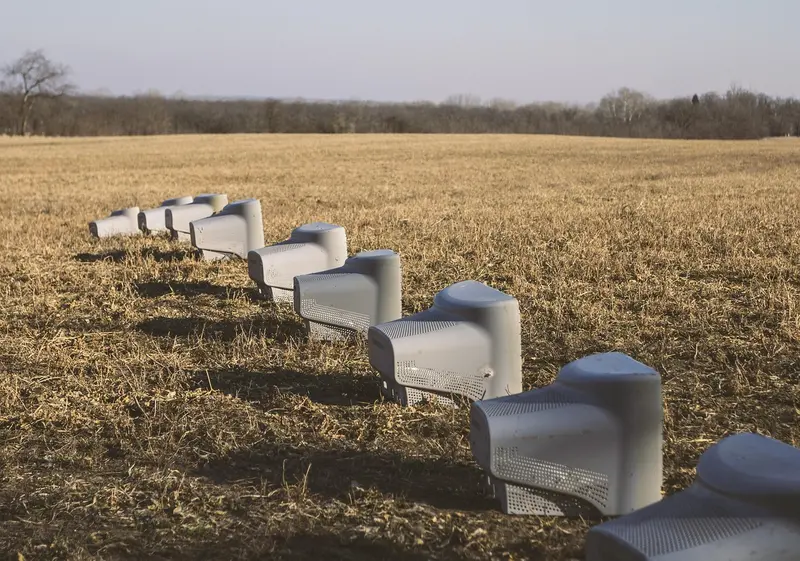
Where Do Our Old Phones Go?
The growing e-waste problem
Model script
Good afternoon, everyone. Last week, I cleaned out a drawer and found four old phones, two broken chargers, and a laptop I hadn't used in years. I started wondering: what happens to all our old electronics? Today, I'll talk about e-waste.
Your recording
Say this slide out loud, then listen to yourself.
Recordings stay on this device and disappear when you leave the page.
Useful phrases
cleaned out a drawer
Took everything out of a drawer to tidy it.
I started wondering:
I began to ask myself.
Full script
Read the whole talk.
All slides in one place. Read it through once, then practice slide by slide.
01Where Do Our Old Phones Go?
Good afternoon, everyone. Last week, I cleaned out a drawer and found four old phones, two broken chargers, and a laptop I hadn't used in years. I started wondering: what happens to all our old electronics? Today, I'll talk about e-waste.
皆さん、こんにちは。先週、引き出しを片づけたら、古いスマホが4台、壊れた充電器が2つ、そして何年も使っていないノートパソコンが出てきました。そこで、ふと思いました。古い電子機器は、みんなどうなるのだろう?今日は、電子ごみについてお話しします。
02What Is E-Waste?
E-waste, or electronic waste, means old devices with a plug or a battery that people throw away: phones, laptops, TVs, cables, and even electric toothbrushes.
電子ごみとは、電源プラグや電池がついた、捨てられた古い機器のことです。スマホ、ノートパソコン、テレビ、ケーブル、そして電動歯ブラシまで含まれます。
03How Much?
According to the Global E-waste Monitor 2024, the world produced a record sixty-two million tonnes of e-waste in 2022. And it's on track to reach eighty-two million tonnes by 2030.
「世界電子廃棄物モニター2024」によると、2022年に世界で出た電子ごみは、過去最多の6,200万トンでした。そして、2030年には8,200万トンに達する見込みです。
Source: ITU & UNITAR, "The Global E-waste Monitor 2024"
04How Much Is Recycled Properly?
Here's the worrying part. Only twenty-two point three percent of that e-waste was documented as properly collected and recycled in 2022. The rest is unrecorded, which can mean it ends up in landfills or is handled in unsafe ways.
心配なのはここからです。2022年、その電子ごみのうち、きちんと回収されてリサイクルされたと記録されているのは、22.3%だけでした。残りは記録されておらず、それは埋め立て地に行ったり、危険なやり方で処理されたりしている可能性があるということです。
Source: ITU & UNITAR, "The Global E-waste Monitor 2024"
05A Widening Gap
The report also found that since 2010, e-waste has been growing almost five times faster than documented recycling. In other words, the gap is getting bigger every year.
報告書によると、2010年以降、電子ごみは、記録されたリサイクルのほぼ5倍の速さで増えています。つまり、その差は年々大きくなっているのです。
Source: ITU & UNITAR, "The Global E-waste Monitor 2024"
06Why It Matters
Why does this matter? Electronics contain valuable metals that we lose when they're thrown away. They can also contain harmful substances, which can hurt people and nature when devices are broken apart unsafely.
なぜこれが大事なのでしょうか?電子機器には貴重な金属が含まれていて、捨てられるとそれが失われてしまいます。有害な物質が含まれていることもあり、危険なやり方で分解されると、人や自然を傷つけることがあります。
07What We Can Do
So what can we do? Use our devices longer, repair them before replacing them, and take old electronics to official collection points instead of the trash. Companies can help by making devices easier to repair.
では、私たちに何ができるでしょうか?機器をより長く使い、買い替える前に修理し、古い電子機器はごみ箱ではなく正式な回収場所に持っていくことです。会社も、修理しやすい機器を作ることで力になれます。
08Conclusion
To conclude, e-waste is growing much faster than our recycling. This week, check your own drawers. You might find old devices that deserve a second life, or at least a proper goodbye. Thank you.
まとめると、電子ごみは、リサイクルよりずっと速く増えています。今週、自分の引き出しを確かめてみてください。第二の人生を送るべき、あるいは少なくともきちんとお別れすべき、古い機器が見つかるかもしれません。ありがとうございました。
Cover photo by brenkee on Pixabay