Why Are Millions of Houses Empty in Japan?
AdvancedJapan & Culture英語プレゼンのお手本の原稿と日本語訳。スライドごとに、聞いて・話して練習できます。
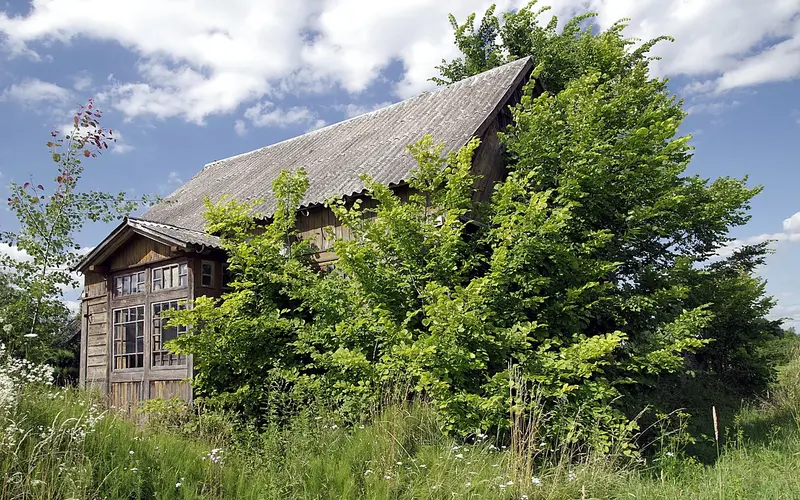
Why Are Millions of Houses Empty in Japan?
The akiya problem
Model script
Good afternoon, everyone. When people think of Japan, they often imagine crowded cities. But there is another side to the story: millions of empty houses. Today, I'd like to look at the numbers and ask why this is happening.
Your recording
Say this slide out loud, then listen to yourself.
Recordings stay on this device and disappear when you leave the page.
Useful phrases
there is another side to the story
There is a different part of the situation that people may not know.
look at the numbers
Check the data.
Full script
Read the whole talk.
All slides in one place. Read it through once, then practice slide by slide.
01Why Are Millions of Houses Empty in Japan?
Good afternoon, everyone. When people think of Japan, they often imagine crowded cities. But there is another side to the story: millions of empty houses. Today, I'd like to look at the numbers and ask why this is happening.
皆さん、こんにちは。日本と聞くと、人であふれる都市を思い浮かべる人が多いでしょう。でも、話にはもう一つの面があります。何百万もの空き家です。今日は、数字を見ながら、なぜこうなっているのかを考えたいと思います。
02What Is an Akiya?
In Japanese, an empty house is called an akiya. Many of them are old family homes in the countryside, but you can find them in cities, too.
日本語では、人が住んでいない家を「空き家」と呼びます。その多くは田舎の古い実家ですが、都市にもあります。
03The Numbers
According to the government's 2023 Housing and Land Survey, there are about nine million empty homes in Japan. That is thirteen point eight percent of all homes, and it is a record high.
政府の2023年の住宅・土地統計調査によると、日本には約900万戸の空き家があります。これはすべての住宅の13.8%で、過去最高です。
Sources: Statistics Bureau of Japan, 2023 Housing and Land Survey; Statistics Bureau of Japan, 2018 Housing and Land Survey
04Cause 1: An Aging Society
One major cause is Japan's aging society. When older owners pass away, their children often live far away in big cities, so nobody moves into the house.
大きな原因の一つは、日本の高齢化です。年をとった持ち主が亡くなると、子どもたちは遠くの大都市に住んでいることが多いので、だれもその家に住まないのです。
05Cause 2: Costs and Culture
Another cause is cost. Old houses often need expensive repairs, and tearing them down also costs money. On top of that, many buyers in Japan prefer brand-new houses.
もう一つの原因は、費用です。古い家には高い修理費がかかることが多く、取り壊すのにもお金がかかります。そのうえ、日本の多くの買い手は、新築の家を好みます。
06Why It Matters
This matters because empty houses can become dangerous. Roofs can fall in during storms, and neighborhoods with many empty homes can feel lonely and unsafe.
これが問題なのは、空き家が危険になることがあるからです。嵐で屋根が落ちることもありますし、空き家の多い地域は、さびしくて安全でないと感じられることもあります。
07A Second Life for Old Houses
The good news is that some akiya are getting a second life. My uncle bought an old house through his town's akiya bank, a website that lists empty homes, and turned it into a small café.
良い知らせは、第二の人生を得ている空き家もあることです。私のおじは、町の「空き家バンク」という、空き家を紹介するウェブサイトで古い家を買い、小さなカフェにしました。
08Conclusion
To sum up, Japan's empty houses are a growing problem, but they are also an opportunity. With creative ideas, old homes can bring life back to quiet towns. Thank you.
まとめると、日本の空き家は大きくなりつつある問題ですが、チャンスでもあります。工夫したアイデアがあれば、古い家が静かな町に活気を取り戻してくれるかもしれません。ありがとうございました。
Cover photo by Arcaion on Pixabay