Why Are Millions of Houses Empty in Japan?
AdvancedJapan & Culture英语演讲的示范讲稿与中文翻译。每一页都可以听示范、开口练习。
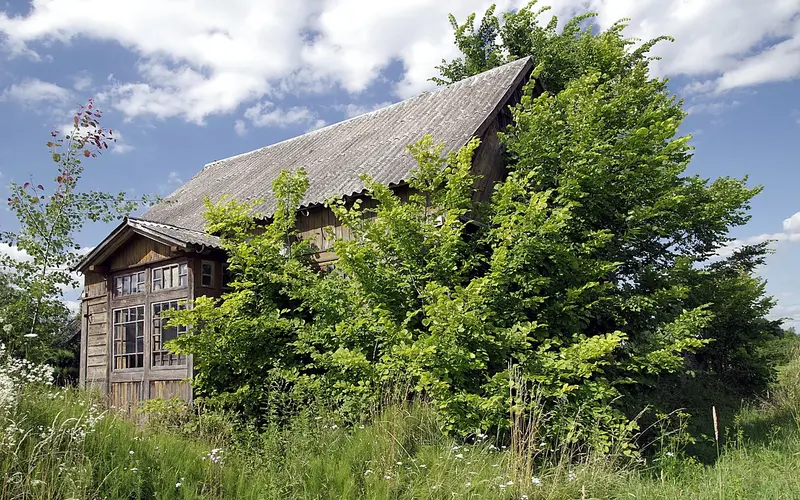
Why Are Millions of Houses Empty in Japan?
The akiya problem
Model script
Good afternoon, everyone. When people think of Japan, they often imagine crowded cities. But there is another side to the story: millions of empty houses. Today, I'd like to look at the numbers and ask why this is happening.
Your recording
Say this slide out loud, then listen to yourself.
Recordings stay on this device and disappear when you leave the page.
Useful phrases
there is another side to the story
There is a different part of the situation that people may not know.
look at the numbers
Check the data.
Full script
Read the whole talk.
All slides in one place. Read it through once, then practice slide by slide.
01Why Are Millions of Houses Empty in Japan?
Good afternoon, everyone. When people think of Japan, they often imagine crowded cities. But there is another side to the story: millions of empty houses. Today, I'd like to look at the numbers and ask why this is happening.
大家下午好。人们想到日本时,常常会想到拥挤的城市。但这个故事还有另一面:数以百万计的空房子。今天,我想看看相关的数字,并探讨一下为什么会出现这种情况。
02What Is an Akiya?
In Japanese, an empty house is called an akiya. Many of them are old family homes in the countryside, but you can find them in cities, too.
在日语里,空房子叫作akiya(空置房)。其中很多是农村的老家宅,但城市里也能看到。
03The Numbers
According to the government's 2023 Housing and Land Survey, there are about nine million empty homes in Japan. That is thirteen point eight percent of all homes, and it is a record high.
根据政府2023年的住宅和土地统计调查,日本大约有九百万套空置住宅。这占全部住宅的百分之十三点八,创下了历史新高。
Sources: Statistics Bureau of Japan, 2023 Housing and Land Survey; Statistics Bureau of Japan, 2018 Housing and Land Survey
04Cause 1: An Aging Society
One major cause is Japan's aging society. When older owners pass away, their children often live far away in big cities, so nobody moves into the house.
一个主要原因是日本的老龄化社会。年长的房主去世后,他们的子女往往住在很远的大城市,所以没有人搬进这栋房子。
05Cause 2: Costs and Culture
Another cause is cost. Old houses often need expensive repairs, and tearing them down also costs money. On top of that, many buyers in Japan prefer brand-new houses.
另一个原因是费用。老房子往往需要昂贵的维修,而拆掉也要花钱。除此之外,日本很多买家更喜欢全新的房子。
06Why It Matters
This matters because empty houses can become dangerous. Roofs can fall in during storms, and neighborhoods with many empty homes can feel lonely and unsafe.
这个问题之所以重要,是因为空房子可能变得很危险。暴风雨时屋顶可能会塌下来,而空房子多的街区会让人觉得冷清、不安全。
07A Second Life for Old Houses
The good news is that some akiya are getting a second life. My uncle bought an old house through his town's akiya bank, a website that lists empty homes, and turned it into a small café.
好消息是,有些空置房正在迎来第二次生命。我叔叔通过他所在小镇的“空置房银行”——一个列出空房子信息的网站——买下了一栋老房子,把它改造成了一家小咖啡馆。
08Conclusion
To sum up, Japan's empty houses are a growing problem, but they are also an opportunity. With creative ideas, old homes can bring life back to quiet towns. Thank you.
总之,日本的空房子是一个日益严重的问题,但也是一个机会。有了创意,老房子就能让安静的小镇重新焕发活力。谢谢大家。
Cover photo by Arcaion on Pixabay