We Eat Twice the Salt We Should: What the WHO Says
AdvancedFood & Cooking英語プレゼンのお手本の原稿と日本語訳。スライドごとに、聞いて・話して練習できます。
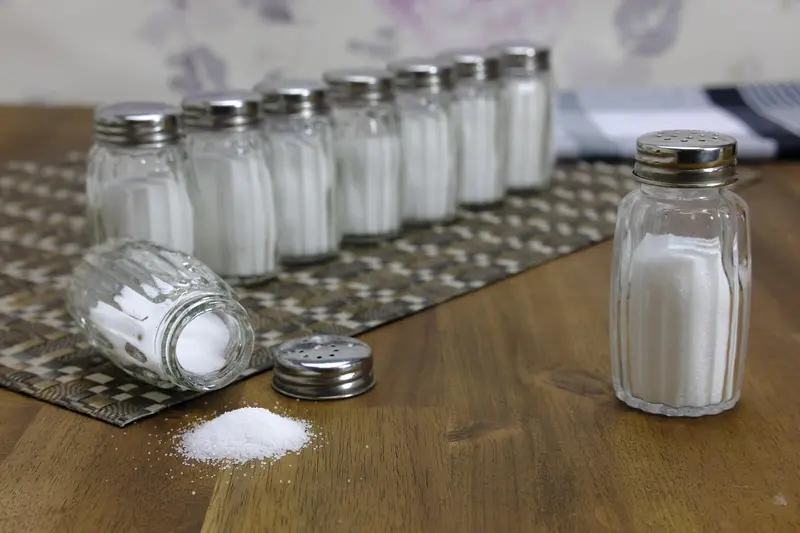
We Eat Twice the Salt We Should
What the WHO says
Model script
Good morning, everyone. My grandfather loved salty food, and he had high blood pressure for most of his life. Recently, I checked how much salt I eat, and I was shocked. Today, I'll share what the World Health Organization says about salt.
Your recording
Say this slide out loud, then listen to yourself.
Recordings stay on this device and disappear when you leave the page.
Useful phrases
for most of his life
During the larger part of his life.
I was shocked
I was very surprised in a bad way.
Full script
Read the whole talk.
All slides in one place. Read it through once, then practice slide by slide.
01We Eat Twice the Salt We Should
Good morning, everyone. My grandfather loved salty food, and he had high blood pressure for most of his life. Recently, I checked how much salt I eat, and I was shocked. Today, I'll share what the World Health Organization says about salt.
皆さん、おはようございます。祖父はしょっぱい食べ物が大好きで、人生のほとんどの間、高血圧でした。最近、自分がどれくらい塩をとっているかを確かめて、ショックを受けました。今日は、世界保健機関(WHO)が塩について何と言っているかを紹介します。
02The Recommendation
The WHO recommends that adults eat less than five grams of salt a day. That's about one teaspoon, in total, from all the food we eat.
WHOは、大人がとる塩を1日5グラム未満にするようすすめています。これは、食べるものすべてを合わせて、小さじ1杯くらいです。
Source: World Health Organization, "Sodium reduction" fact sheet
03What We Actually Eat
But according to the WHO, the average adult around the world ate about eleven grams of salt a day in 2021. That's more than twice the recommended amount.
でもWHOによると、2021年、世界の大人は平均で1日約11グラムの塩をとっていました。すすめられている量の2倍以上です。
Source: World Health Organization, "Sodium reduction" fact sheet
04Why It Matters
Why does this matter? The WHO explains that the main health effect of too much sodium is raised blood pressure, which increases the risk of cardiovascular diseases and other health problems.
なぜこれが問題なのでしょうか?WHOの説明では、ナトリウムをとりすぎることによる健康への主な影響は血圧が上がることで、それが心臓や血管の病気や、ほかの健康の問題のリスクを高めます。
Source: World Health Organization, "Sodium reduction" fact sheet
05Where the Salt Hides
The surprising part is where the salt comes from. The WHO notes that it's often found in high amounts in processed foods like bread, processed meat, and snacks, and in sauces like soy sauce and fish sauce. So it's not only the salt shaker on the table.
驚くのは、塩がどこから来ているかです。WHOによると、塩はパンや加工肉、スナック菓子などの加工食品や、しょうゆや魚醤のような調味料に多く含まれていることがよくあります。つまり、テーブルの上の塩入れだけではないのです。
Source: World Health Organization, "Sodium reduction" fact sheet
06Small Changes That Help
The good news is that small changes help. Read food labels, taste your food before adding salt, and use herbs, lemon, garlic, or spices to add flavor instead.
良い知らせは、小さな変化が役に立つことです。食品の表示を読み、塩を足す前に味見をし、代わりにハーブやレモン、にんにく、スパイスで風味をつけましょう。
07Our Taste Can Change
From my own experience, my taste changed after a few weeks of using less salt. Food that once tasted plain started to taste good, and very salty snacks started to feel too strong.
私自身の経験では、塩を減らして数週間たつと、味覚が変わりました。前は味気なく感じていた料理がおいしく感じられるようになり、とてもしょっぱいおやつは味が強すぎると感じるようになりました。
08Conclusion
To sum up, most of us eat more than twice the salt we should, and much of it is hidden. Start with one change this week. Your heart will thank you. Thank you.
まとめると、私たちの多くは、とるべき量の2倍以上の塩をとっていて、その多くは隠れています。今週、一つのことから変えてみてください。心臓が感謝してくれるはずです。ありがとうございました。
Cover photo by Bru-nO on Pixabay