We Eat Twice the Salt We Should: What the WHO Says
AdvancedFood & Cooking英文簡報的示範講稿與中文翻譯。每一頁都可以聽示範、開口練習。
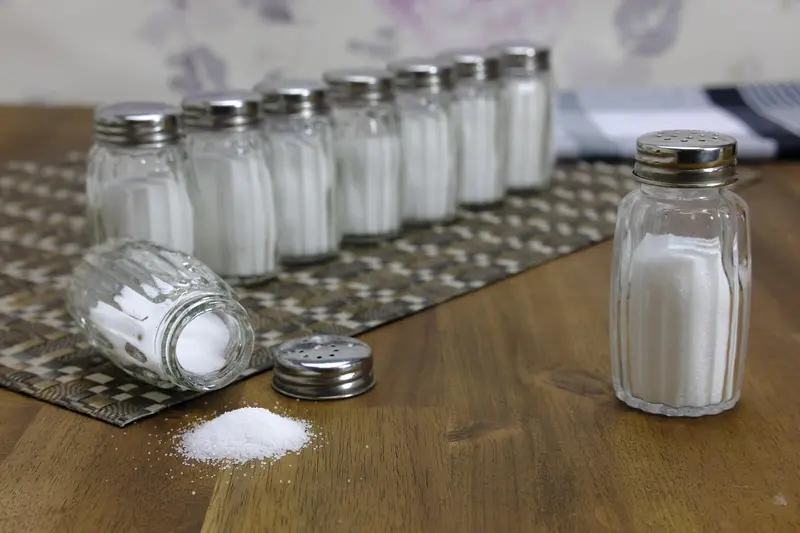
We Eat Twice the Salt We Should
What the WHO says
Model script
Good morning, everyone. My grandfather loved salty food, and he had high blood pressure for most of his life. Recently, I checked how much salt I eat, and I was shocked. Today, I'll share what the World Health Organization says about salt.
Your recording
Say this slide out loud, then listen to yourself.
Recordings stay on this device and disappear when you leave the page.
Useful phrases
for most of his life
During the larger part of his life.
I was shocked
I was very surprised in a bad way.
Full script
Read the whole talk.
All slides in one place. Read it through once, then practice slide by slide.
01We Eat Twice the Salt We Should
Good morning, everyone. My grandfather loved salty food, and he had high blood pressure for most of his life. Recently, I checked how much salt I eat, and I was shocked. Today, I'll share what the World Health Organization says about salt.
大家早安。我爺爺很愛吃鹹的東西,他大半輩子都有高血壓。最近,我查了一下自己吃了多少鹽,結果嚇了一跳。今天,我來和大家分享世界衛生組織對鹽的建議。
02The Recommendation
The WHO recommends that adults eat less than five grams of salt a day. That's about one teaspoon, in total, from all the food we eat.
世衛組織建議,成年人每天吃的鹽要少於5克。這大約是一茶匙,而且是我們所有食物加起來的總量。
Source: World Health Organization, "Sodium reduction" fact sheet
03What We Actually Eat
But according to the WHO, the average adult around the world ate about eleven grams of salt a day in 2021. That's more than twice the recommended amount.
但根據世衛組織的資料,2021年,全世界成年人平均每天吃約11克鹽。這是建議量的兩倍多。
Source: World Health Organization, "Sodium reduction" fact sheet
04Why It Matters
Why does this matter? The WHO explains that the main health effect of too much sodium is raised blood pressure, which increases the risk of cardiovascular diseases and other health problems.
這為什麼重要呢?世衛組織解釋說,鈉攝入過多對健康的主要影響是血壓升高,而血壓升高會增加患心血管疾病和其他健康問題的風險。
Source: World Health Organization, "Sodium reduction" fact sheet
05Where the Salt Hides
The surprising part is where the salt comes from. The WHO notes that it's often found in high amounts in processed foods like bread, processed meat, and snacks, and in sauces like soy sauce and fish sauce. So it's not only the salt shaker on the table.
令人意外的是鹽的來源。世衛組織指出,鹽常常大量存在於麵包、加工肉類和零食等加工食品中,還有醬油和魚露這樣的調味醬裡。所以,問題不只是餐桌上的鹽瓶。
Source: World Health Organization, "Sodium reduction" fact sheet
06Small Changes That Help
The good news is that small changes help. Read food labels, taste your food before adding salt, and use herbs, lemon, garlic, or spices to add flavor instead.
好訊息是,小小的改變就有幫助。看看食品標籤,加鹽之前先嚐一嘗,用香草、檸檬、大蒜或香料來調味。
07Our Taste Can Change
From my own experience, my taste changed after a few weeks of using less salt. Food that once tasted plain started to taste good, and very salty snacks started to feel too strong.
從我自己的經歷來說,少放鹽幾周之後,我的口味就變了。以前覺得沒味道的菜開始變得好吃,而很鹹的零食反而讓我覺得味道太重了。
08Conclusion
To sum up, most of us eat more than twice the salt we should, and much of it is hidden. Start with one change this week. Your heart will thank you. Thank you.
總結一下,我們大多數人吃的鹽是應有量的兩倍多,而且很多鹽是藏起來的。這周就從一個改變開始吧。你的心臟會感謝你的。謝謝大家。
Cover photo by Bru-nO on Pixabay