Is Japanese Work Culture Changing?
AdvancedJapan & Culture英語プレゼンのお手本の原稿と日本語訳。スライドごとに、聞いて・話して練習できます。
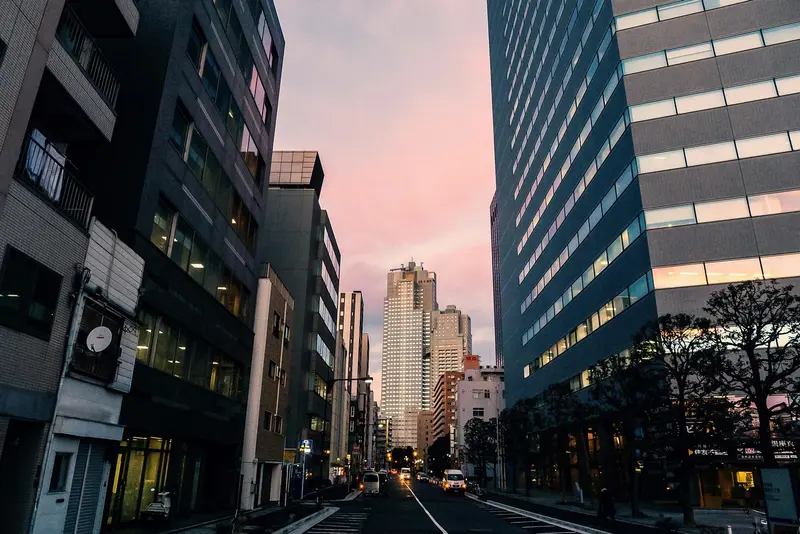
Is Japanese Work Culture Changing?
From long hours to work-life balance?
Model script
Good morning, everyone. For a long time, Japan was known for long working hours and a strong sense of loyalty to one company. Today, I'll look at how this is changing, and why.
Your recording
Say this slide out loud, then listen to yourself.
Recordings stay on this device and disappear when you leave the page.
Useful phrases
was known for
Was famous because of something.
a strong sense of
A strong feeling of.
Full script
Read the whole talk.
All slides in one place. Read it through once, then practice slide by slide.
01Is Japanese Work Culture Changing?
Good morning, everyone. For a long time, Japan was known for long working hours and a strong sense of loyalty to one company. Today, I'll look at how this is changing, and why.
皆さん、おはようございます。長い間、日本は長時間労働と、一つの会社への強い忠誠心で知られてきました。今日は、それがどのように、そしてなぜ変わりつつあるのかを見ていきます。
02The Traditional Model
In the traditional model, many people joined one company after university and stayed there until retirement. Long hours were common, and promotion often depended on age and years of service.
昔ながらの形では、多くの人が大学を出てから一つの会社に入り、定年までそこにいました。長時間働くのはふつうのことで、昇進は年齢や勤続年数で決まることが多かったのです。
03A Word the World Learned
The problem of overwork became so serious that Japanese has a word for it: karoshi, which means death from overwork. The word is now known in many countries.
働きすぎの問題はとても深刻になり、日本語にはそれを表す言葉ができました。「過労死」、つまり働きすぎによる死です。この言葉は、今では多くの国で知られています。
04New Rules
The government has also stepped in. In 2019, a new law started to limit overtime hours and required companies to make sure workers take at least five days of paid leave each year.
政府も乗り出しました。2019年、新しい法律で残業時間の上限が決まり、会社は働く人に毎年少なくとも5日の有給休暇を取らせなければならなくなりました。
Source: Ministry of Health, Labour and Welfare (Japan)
05Changing Attitudes
Attitudes are changing too, especially among young people. More workers value free time, and changing jobs is becoming more common.
考え方も、特に若い人の間で変わりつつあります。自由な時間を大切にする人が増え、転職もふつうのことになりつつあります。
06Not Everywhere Yet
However, change is uneven. Some workplaces still expect people to stay late, and old habits can take a long time to disappear.
でも、変化にはばらつきがあります。今でも遅くまで残ることを期待する職場もありますし、古い習慣がなくなるまでには長い時間がかかることもあります。
07What Could Help
What could speed up the change? Companies could judge work by results rather than hours, managers could set an example by going home on time, and flexible work could become normal.
何が変化を早められるでしょうか?会社が時間ではなく成果で仕事を評価すること、管理職が定時に帰って手本を見せること、そして柔軟な働き方が当たり前になることです。
08Conclusion
In conclusion, Japanese work culture is changing, but slowly. The next generation may finally make work-life balance the new normal. Thank you.
まとめると、日本の働き方の文化は変わりつつありますが、ゆっくりです。次の世代が、ついに仕事と生活のバランスを新しい当たり前にするかもしれません。ありがとうございました。
Cover photo by angel4leon on Pixabay