Kanji Felt Impossible. Here's How I Started Making Progress
IntermediateJapan & Culture英語プレゼンのお手本の原稿と日本語訳。スライドごとに、聞いて・話して練習できます。
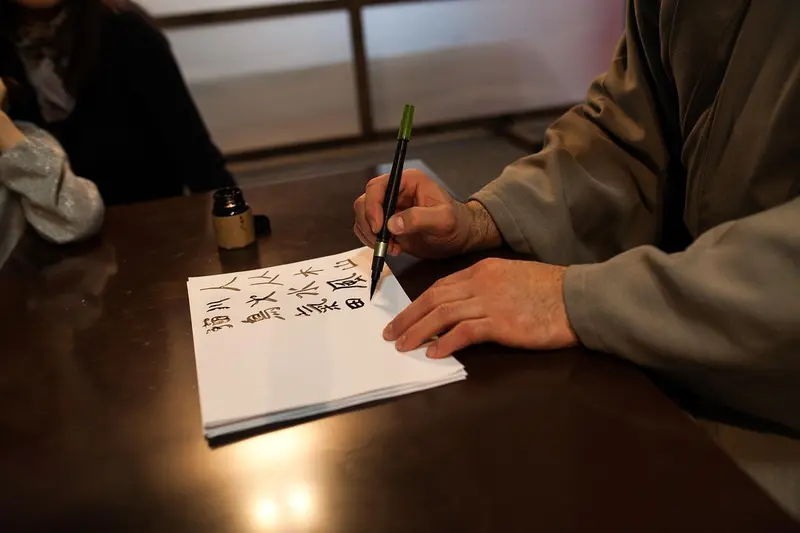
Kanji Felt Impossible
Here's how I started making progress
Model script
Hello, everyone. I'm an engineer from Brazil, and I've been learning Japanese for two years. For a long time, kanji felt impossible. Today, I'll explain why it's hard and what finally helped me.
Your recording
Say this slide out loud, then listen to yourself.
Recordings stay on this device and disappear when you leave the page.
Useful phrases
I've been learning ... for
I started in the past and am still learning.
what finally helped me
The thing that helped me in the end.
Full script
Read the whole talk.
All slides in one place. Read it through once, then practice slide by slide.
01Kanji Felt Impossible
Hello, everyone. I'm an engineer from Brazil, and I've been learning Japanese for two years. For a long time, kanji felt impossible. Today, I'll explain why it's hard and what finally helped me.
皆さん、こんにちは。私はブラジル出身のエンジニアで、2年間日本語を勉強しています。長い間、漢字は無理だと感じていました。今日は、漢字がなぜ難しいのかと、最後に何が役に立ったのかを説明します。
02The Problem: So Many Characters
The first problem is the number. Japan's official list of common kanji, called the jōyō kanji, has 2,136 characters. Japanese children learn 1,026 of them in primary school, over six years.
一つ目の問題は、数です。日本の公式な、よく使う漢字の一覧である「常用漢字」には、2,136字あります。日本の子どもたちは、小学校の6年間で、そのうち1,026字を習います。
Sources: Agency for Cultural Affairs, Japan: 常用漢字表 (Cabinet Notice No. 2, November 30, 2010); MEXT, Japan: 小学校学習指導要領 学年別漢字配当表 (2017, fully implemented from 2020)
03The Problem: Many Readings
The second problem is that one kanji can have several readings. For example, the kanji for "life" is read differently in different words. I memorized a reading, and then it changed!
二つ目の問題は、一つの漢字にいくつもの読み方があることです。たとえば、「生」という漢字は、言葉によって読み方が違います。読み方を一つ覚えたと思ったら、それが変わってしまうのです!
04Solution 1: Learn Parts, Not Pictures
My first solution was to learn the parts. Many kanji are built from smaller pieces. For example, the part for "water" appears in many words about liquids. Once I knew the parts, new kanji felt less random.
一つ目の解決策は、部分を覚えることでした。多くの漢字は、小さな部品からできています。たとえば、「水」を表す部分は、液体に関する多くの言葉に出てきます。部分が分かるようになると、新しい漢字もでたらめに見えなくなりました。
05Solution 2: Learn Words, Not Single Kanji
Second, I stopped studying single kanji and started learning whole words. When I learn a kanji inside a word I actually use, the right reading is much easier to remember.
二つ目に、漢字を一字ずつ勉強するのをやめて、言葉ごと覚えるようにしました。実際に使う言葉の中で漢字を覚えると、正しい読み方がずっと覚えやすくなります。
06Solution 3: A Little Every Day
Third, I do a little every day. I learn five new kanji a day and review old ones with a flashcard app on the train. Small steps add up over time.
三つ目に、毎日少しずつやっています。1日に新しい漢字を5字覚えて、電車の中で、フラッシュカードのアプリで前に覚えたものを復習します。小さな一歩も、時間がたてば積み重なります。
07Conclusion
In conclusion, kanji isn't impossible. It's just a long road. If you learn the parts, study whole words, and practice a little every day, you'll be surprised how far you go. Thank you.
まとめると、漢字は無理なものではありません。ただ、長い道のりなのです。部分を覚え、言葉ごと勉強し、毎日少しずつ練習すれば、自分がどれだけ進めるかに驚くはずです。ありがとうございました。
Cover photo by delo on Pixabay