How Yellowstone Became the First National Park
AdvancedTravel & Places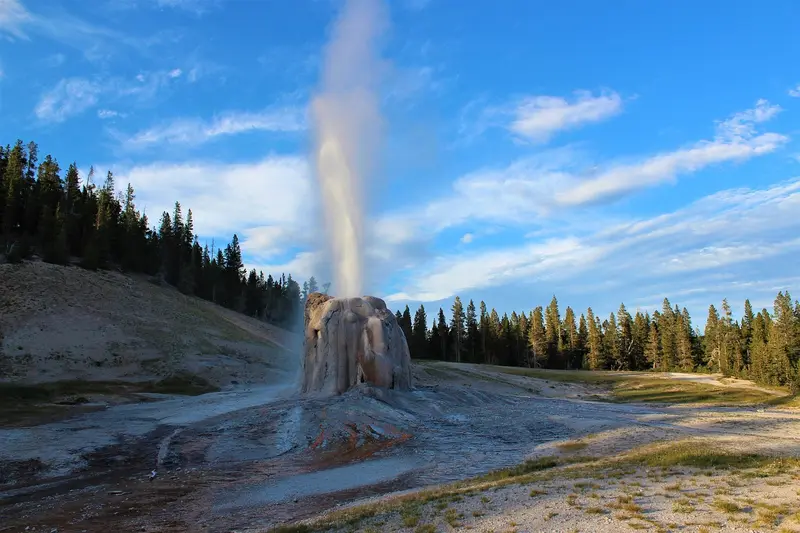
How Yellowstone Became the First National Park
An idea that changed travel
Model script
Good afternoon, everyone. Last summer, I watched a geyser shoot hot water into the sky in Yellowstone. Standing there, I wondered: who decided that this land should belong to everyone? Today, I'll explain how the idea of a national park began.
Your recording
Say this slide out loud, then listen to yourself.
Recordings stay on this device and disappear when you leave the page.
Useful phrases
Standing there, I wondered:
While I was there, I asked myself.
belong to everyone
Be owned by all people together.
Full script
Read the whole talk.
All slides in one place. Read it through once, then practice slide by slide.
01How Yellowstone Became the First National Park
Good afternoon, everyone. Last summer, I watched a geyser shoot hot water into the sky in Yellowstone. Standing there, I wondered: who decided that this land should belong to everyone? Today, I'll explain how the idea of a national park began.
02A Land of Wonders
Yellowstone is famous for its geysers, colorful hot springs, and wild animals like bison and bears. Even today, descriptions of boiling mud and exploding water sound almost unbelievable.
03March 1, 1872
On March first, eighteen seventy-two, President Ulysses S. Grant signed the law that created Yellowstone National Park. It is known as the first national park.
Source: U.S. National Park Service, "Grant and Yellowstone"
04A Revolutionary Idea
What made it revolutionary was the purpose. The law set the land aside as a public park "for the benefit and enjoyment of the people." In other words, beautiful nature would not belong only to the rich or be sold for profit.
Source: U.S. National Park Service, "Grant and Yellowstone"
05Not the Whole Story
But we should tell the whole story. According to the National Park Service, people have spent time in the Yellowstone region for more than eleven thousand years, and twenty-seven tribes have connections to the park. Their history is part of Yellowstone, too.
Source: U.S. National Park Service, Yellowstone "Associated Tribes" and "Park History"
06From One Park to Hundreds
From that one park, the idea grew. Today, the U.S. National Park Service manages more than four hundred sites, including sixty-three national parks, and many countries around the world have created their own.
Source: U.S. National Park Service, "National Park System"
07What It Means for Travelers
For us as visitors, the idea of "for the people" comes with responsibility. Stay on the trails, keep a safe distance from wild animals, and leave nothing behind, so the next visitors can enjoy it too.
08Conclusion
To sum up, in 1872 a simple but powerful idea was born: some places are too special to belong to anyone, so they should belong to everyone. Next time you visit a national park, remember that idea. Thank you.
Source: U.S. National Park Service, "Grant and Yellowstone"
Cover photo by Darilon on Pixabay