2.6 Billion People Are Still Offline. Who Are They?
AdvancedTech & Internet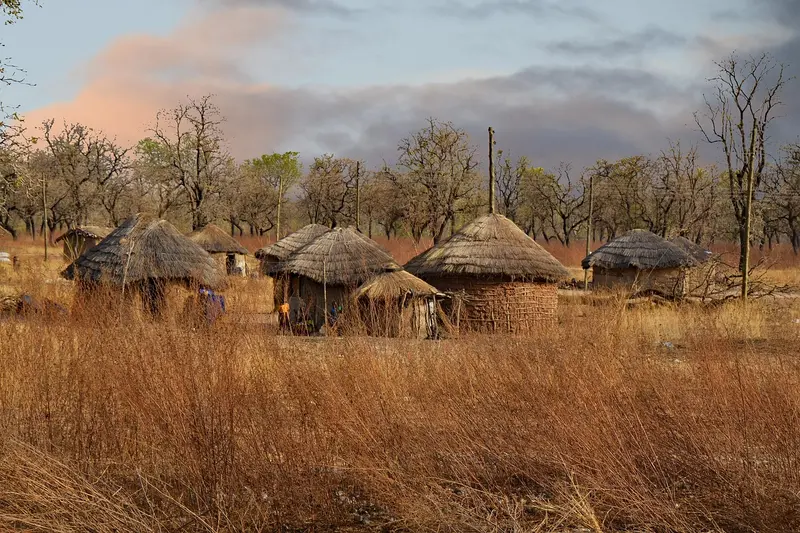
2.6 Billion People Are Still Offline
Who are they?
Model script
Good morning, everyone. For many of us, it's hard to imagine a day without the internet. But for billions of people, that's normal life. Today, I'd like to look at who is still offline, and why it matters.
Your recording
Say this slide out loud, then listen to yourself.
Recordings stay on this device and disappear when you leave the page.
Useful phrases
it's hard to imagine
It is difficult to picture in your mind.
why it matters
Why it is important.
Full script
Read the whole talk.
All slides in one place. Read it through once, then practice slide by slide.
012.6 Billion People Are Still Offline
Good morning, everyone. For many of us, it's hard to imagine a day without the internet. But for billions of people, that's normal life. Today, I'd like to look at who is still offline, and why it matters.
02The Global Picture
According to the International Telecommunication Union, about five point five billion people used the internet in 2024. That's sixty-eight percent of the world. It also means that around two point six billion people are still offline.
Source: International Telecommunication Union (ITU), Facts and Figures 2024
03Rich and Poor Countries
The gap between countries is huge. In high-income countries, about ninety-three percent of people are online. In low-income countries, it's only twenty-seven percent.
Source: International Telecommunication Union (ITU), Facts and Figures 2024
04Cities and the Countryside
There's also a gap inside countries. Around the world, eighty-three percent of people in cities use the internet, compared to only forty-eight percent in rural areas.
Source: International Telecommunication Union (ITU), Facts and Figures 2024
05Why People Stay Offline
Why do people stay offline? There are several possible barriers, such as the cost of phones and data, the lack of a network in remote areas, and not having the digital skills to use the internet with confidence.
06Why It Matters
This matters because more and more of life happens online. Without access, it's harder to study, find jobs, see a doctor remotely, or even send money to family.
07What Could Help
Several solutions could help: cheaper devices and data plans, free Wi-Fi in schools and libraries, and simple digital skills classes, especially for people who have never used a smartphone.
08Conclusion
To conclude, the internet has reached two-thirds of the world, but the last third will be the hardest to connect. Closing this gap is not just about technology; it's about fairness. Thank you.
Cover photo by lapping on Pixabay