英语演讲的示范讲稿与中文翻译。每一页都可以听示范、开口练习。
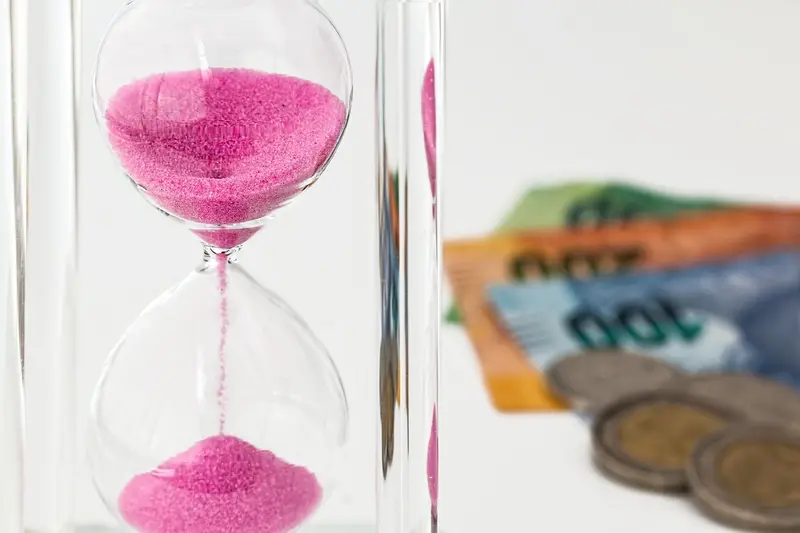
Will Cash Disappear?
Sweden: almost cashless
1 / 8
Model script
Good afternoon, everyone. Last month, I realized I hadn't touched cash for three weeks. I paid for everything with my phone. Then my grandmother gave me a birthday card with money inside, and I wondered: will cash still exist when I'm her age? Today, I'll make a prediction about cash in 2040. First, I'll show you a country where cash is almost gone. Then, I'll look at a region where cash is still common. After that, I'll explain what could slow the change. Finally, I'll share my prediction.
Your recording
Say this slide out loud, then listen to yourself.
Recordings stay on this device and disappear when you leave the page.
Useful phrases
I realized
I suddenly understood or noticed.
I'll make a prediction about
I will say what I think will happen to...
Finally, I'll share
My last point will be...
Words
Highlighted words are on this slide. Tap a word to look it up on Google.
Full script
Read the whole talk.
All slides in one place. Read it through once, then practice slide by slide.
01Will Cash Disappear?
Good afternoon, everyone. Last month, I realized I hadn't touched cash for three weeks. I paid for everything with my phone. Then my grandmother gave me a birthday card with money inside, and I wondered: will cash still exist when I'm her age? Today, I'll make a prediction about cash in 2040. First, I'll show you a country where cash is almost gone. Then, I'll look at a region where cash is still common. After that, I'll explain what could slow the change. Finally, I'll share my prediction.
大家下午好。上个月,我发现自己已经三个星期没碰过现金了。所有东西都是用手机付的。后来,奶奶送了我一张夹着钱的生日卡,我就想:等我到了奶奶的年纪,现金还会存在吗?今天,我想预测一下2040年的现金。首先,我会介绍一个现金几乎消失的国家。然后,看看一个现金仍然很常用的地区。之后,我会说明有哪些因素可能会减缓这种变化。最后,分享我的预测。
02Sweden: Almost Cashless
Let's start with Sweden. According to Sweden's central bank, the Riksbank, only 5% of people paid cash for their last purchase in a store in 2025. In 2023, it was 10%. And about fifteen years ago, it was 40%. That's a huge drop in a short time. In other words, in Sweden today, paying with cash is unusual. This suggests that once most shops and people switch to cards and phones, cash can disappear very quickly from daily life.
我们先从瑞典说起。根据瑞典的中央银行瑞典央行的数据,2025年,只有5%的人在商店里最后一次购物时用的是现金。2023年这个比例是10%。而大约十五年前,是40%。在这么短的时间里下降了这么多。换句话说,在今天的瑞典,用现金付款已经很少见了。这说明,一旦大多数商店和人们都改用银行卡和手机,现金就可能很快从日常生活中消失。
Source: Sveriges Riksbank, "Payments Report 2026: Payment habits in Sweden" (5% paid cash for their last in-store purchase in 2025, compared to 10% in 2023; fifteen years ago, 40%)
03The Euro Area: Cash Still Common
In contrast, cash is still common in the euro area. According to a 2024 study by the European Central Bank, people used cash in 52% of their payments in stores. That's down from 59% in 2022, so cash is falling here, too. But it's still the most frequently used way to pay in stores. In other words, the same change is happening, but much more slowly than in Sweden. One reason might be that habits change slowly, but that's my guess, not a finding from the study.
相比之下,在欧元区,现金仍然很常用。根据欧洲中央银行2024年的一项研究,人们在商店的付款中,有52%使用现金。这比2022年的59%有所下降,所以那里的现金使用也在减少。但现金仍然是商店里最常用的付款方式。换句话说,同样的变化也在发生,只是比瑞典慢得多。原因之一可能是习惯改变得很慢,但这只是我的猜测,不是这项研究的结论。
Source: European Central Bank, "Study on the payment attitudes of consumers in the euro area (SPACE) 2024", press release, 19 December 2024 (cash used in 52% of point-of-sale transactions, down from 59% in 2022; still the most frequently used payment method in stores)
04What I See at My Part-Time Job
I see this change myself. I work part-time at a café near my university. When I started two years ago, I counted coins and gave change many times a day. Now, most customers just tap their card or phone. It's faster for everyone. But some customers, often older people, still pay with cash, and some of them told me they feel safer that way. So the change is real, but it's not happening at the same speed for everyone.
我自己也看到了这种变化。我在大学附近的一家咖啡馆打工。两年前我刚开始做的时候,每天要数很多次硬币、找很多次零钱。现在,大多数顾客只是刷一下银行卡或手机。这对大家来说都更快。但也有一些顾客,往往是老年人,仍然用现金付款,有些人还告诉我,这样他们觉得更安心。所以,变化是真实存在的,但对每个人来说速度并不一样。
05What Could Slow the Change
However, there's a strong reason to think cash won't disappear. Many people still want it. The same European Central Bank study found that 62% of consumers say it's important to have the option to pay with cash, up from 60% in 2022. Even in Sweden, the Riksbank reports that people who need cash mention problems like internet outages, and wanting to be prepared for a crisis or war. In short, cash works when technology doesn't. This is the strongest argument against the simple idea that cash will just disappear.
不过,也有一个很有力的理由让人认为现金不会消失:很多人仍然需要它。同一项欧洲中央银行的研究发现,62%的消费者认为,能够选择用现金付款很重要,这一比例比2022年的60%还有所上升。即使在瑞典,瑞典央行也指出,需要现金的人提到了网络故障等问题,以及想为危机或战争做好准备。简单来说,当技术失灵时,现金依然能用。这是对“现金会就这样消失”这种简单想法最有力的反驳。
Sources: European Central Bank, SPACE 2024 press release, 19 December 2024 (62% consider it important to have cash as a payment option, up from 60% in 2022); Sveriges Riksbank, "Payments Report 2026: Payment habits in Sweden" (people who need cash mention technical outages and preparedness for crisis or war)
06My Prediction for 2040
So, here is my prediction. This is my own view, not an official forecast. By 2040, I think cash will be rare in daily life in most rich countries, just like in Sweden today. Young people like us may go months without using it. But I don't think it will disappear completely. Fewer shops may accept it, so we might have to plan ahead when we want to use it. Governments and people will keep it as a backup, like a spare tire in a car. You hope you won't need it, but you're glad it's there.
那么,这是我的预测。这是我自己的看法,不是官方的预测。我认为到2040年,在大多数富裕国家,现金在日常生活中会很少见,就像今天的瑞典一样。像我们这样的年轻人,可能几个月都用不到现金。但我不认为它会完全消失。接受现金的商店可能会变少,所以想用现金的时候,我们可能需要提前计划。政府和人们会把现金当作后备,就像汽车里的备胎一样。你希望用不上它,但有它在会让你安心。
07What It Means for Us
What does this mean for us? I think three things. First, we should learn to manage digital money safely, because that's how we'll pay most of the time. For example, I've started using a budgeting app, and I keep a small amount of cash in my desk drawer. Second, it's smart to keep a little cash at home for outages or emergencies. And third, we should remember people who still rely on cash, like some of the older customers at my café. A good future for money is one that doesn't leave them behind.
这对我们意味着什么呢?我认为有三点。第一,我们应该学会安全地管理数字货币,因为以后大部分时间我们都会这样付款。比如,我已经开始用记账应用,也在书桌抽屉里放了一点现金。第二,在家里放一些现金,以防网络故障或紧急情况,是很明智的做法。第三,我们应该记得那些仍然依靠现金的人,比如我们咖啡馆里的一些老年顾客。一个美好的货币未来,不应该把他们落下。
08Rare, But Not Gone
To sum up, cash is almost gone from daily life in Sweden, and it's falling in the euro area, too. But many people still want the option to pay with cash, especially for emergencies. That's why I predict that by 2040, cash will be rare, but not gone. Thank you for listening. And maybe I'll keep my grandmother's birthday money, just in case. I'm happy to take your questions.
总之,在瑞典,现金几乎已经从日常生活中消失了,在欧元区也在减少。但很多人仍然希望保留用现金付款的选择,特别是为了应对紧急情况。因此我预测,到2040年,现金会很少见,但不会消失。谢谢大家的聆听。也许我会把奶奶给我的生日钱留着,以防万一。欢迎提问。
Sources: Sveriges Riksbank, "Payments Report 2026"; European Central Bank, SPACE 2024 press release, 19 December 2024
More Money & Business presentations



Cover photo by stevepb on Pixabay