Guion modelo de una presentación en inglés con traducción al español. Escucha y practica diapositiva por diapositiva.
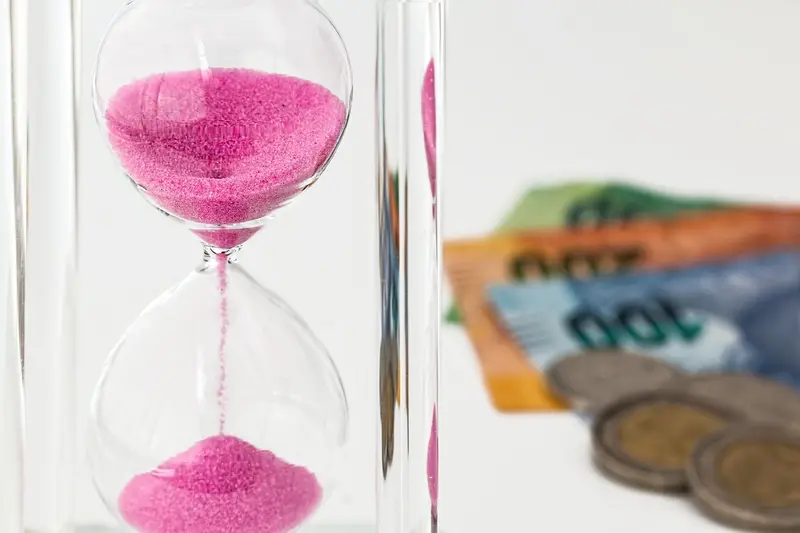
Will Cash Disappear?
Sweden: almost cashless
1 / 8
Model script
Good afternoon, everyone. Last month, I realized I hadn't touched cash for three weeks. I paid for everything with my phone. Then my grandmother gave me a birthday card with money inside, and I wondered: will cash still exist when I'm her age? Today, I'll make a prediction about cash in 2040. First, I'll show you a country where cash is almost gone. Then, I'll look at a region where cash is still common. After that, I'll explain what could slow the change. Finally, I'll share my prediction.
Your recording
Say this slide out loud, then listen to yourself.
Recordings stay on this device and disappear when you leave the page.
Useful phrases
I realized
I suddenly understood or noticed.
I'll make a prediction about
I will say what I think will happen to...
Finally, I'll share
My last point will be...
Words
Highlighted words are on this slide. Tap a word to look it up on Google.
Full script
Read the whole talk.
All slides in one place. Read it through once, then practice slide by slide.
01Will Cash Disappear?
Good afternoon, everyone. Last month, I realized I hadn't touched cash for three weeks. I paid for everything with my phone. Then my grandmother gave me a birthday card with money inside, and I wondered: will cash still exist when I'm her age? Today, I'll make a prediction about cash in 2040. First, I'll show you a country where cash is almost gone. Then, I'll look at a region where cash is still common. After that, I'll explain what could slow the change. Finally, I'll share my prediction.
Buenas tardes a todos. El mes pasado, me di cuenta de que llevaba tres semanas sin tocar dinero en efectivo. Lo pagaba todo con el teléfono. Entonces mi abuela me regaló una tarjeta de cumpleaños con dinero dentro, y me pregunté: ¿seguirá existiendo el efectivo cuando yo tenga su edad? Hoy voy a hacer una predicción sobre el efectivo en 2040. Primero, les mostraré un país donde el efectivo casi ha desaparecido. Luego, veré una región donde el efectivo todavía es común. Después, explicaré qué podría frenar el cambio. Por último, compartiré mi predicción.
02Sweden: Almost Cashless
Let's start with Sweden. According to Sweden's central bank, the Riksbank, only 5% of people paid cash for their last purchase in a store in 2025. In 2023, it was 10%. And about fifteen years ago, it was 40%. That's a huge drop in a short time. In other words, in Sweden today, paying with cash is unusual. This suggests that once most shops and people switch to cards and phones, cash can disappear very quickly from daily life.
Empecemos por Suecia. Según el banco central de Suecia, el Riksbank, solo el 5% de las personas pagó en efectivo su última compra en una tienda en 2025. En 2023, era el 10%. Y hace unos quince años, era el 40%. Es una caída enorme en poco tiempo. En otras palabras, en la Suecia de hoy, pagar en efectivo es poco común. Esto sugiere que, una vez que la mayoría de las tiendas y de las personas se pasan a las tarjetas y los teléfonos, el efectivo puede desaparecer muy rápido de la vida diaria.
Source: Sveriges Riksbank, "Payments Report 2026: Payment habits in Sweden" (5% paid cash for their last in-store purchase in 2025, compared to 10% in 2023; fifteen years ago, 40%)
03The Euro Area: Cash Still Common
In contrast, cash is still common in the euro area. According to a 2024 study by the European Central Bank, people used cash in 52% of their payments in stores. That's down from 59% in 2022, so cash is falling here, too. But it's still the most frequently used way to pay in stores. In other words, the same change is happening, but much more slowly than in Sweden. One reason might be that habits change slowly, but that's my guess, not a finding from the study.
En cambio, en la zona del euro el efectivo todavía es común. Según un estudio de 2024 del Banco Central Europeo, la gente usó efectivo en el 52% de sus pagos en tiendas. Eso es menos que el 59% de 2022, así que el efectivo también está bajando allí. Pero sigue siendo la forma de pago más usada en las tiendas. En otras palabras, está ocurriendo el mismo cambio, pero mucho más despacio que en Suecia. Una razón podría ser que los hábitos cambian despacio, pero es una suposición mía, no un resultado del estudio.
Source: European Central Bank, "Study on the payment attitudes of consumers in the euro area (SPACE) 2024", press release, 19 December 2024 (cash used in 52% of point-of-sale transactions, down from 59% in 2022; still the most frequently used payment method in stores)
04What I See at My Part-Time Job
I see this change myself. I work part-time at a café near my university. When I started two years ago, I counted coins and gave change many times a day. Now, most customers just tap their card or phone. It's faster for everyone. But some customers, often older people, still pay with cash, and some of them told me they feel safer that way. So the change is real, but it's not happening at the same speed for everyone.
Veo este cambio en mi propia vida. Trabajo medio tiempo en una cafetería cerca de mi universidad. Cuando empecé hace dos años, contaba monedas y daba cambio muchas veces al día. Ahora, la mayoría de los clientes solo acercan su tarjeta o su teléfono. Es más rápido para todos. Pero algunos clientes, a menudo personas mayores, todavía pagan en efectivo, y algunos me dijeron que así se sienten más seguros. Así que el cambio es real, pero no ocurre a la misma velocidad para todos.
05What Could Slow the Change
However, there's a strong reason to think cash won't disappear. Many people still want it. The same European Central Bank study found that 62% of consumers say it's important to have the option to pay with cash, up from 60% in 2022. Even in Sweden, the Riksbank reports that people who need cash mention problems like internet outages, and wanting to be prepared for a crisis or war. In short, cash works when technology doesn't. This is the strongest argument against the simple idea that cash will just disappear.
Sin embargo, hay una razón fuerte para pensar que el efectivo no desaparecerá. Mucha gente todavía lo quiere. El mismo estudio del Banco Central Europeo encontró que el 62% de los consumidores dice que es importante tener la opción de pagar en efectivo, frente al 60% en 2022. Incluso en Suecia, el Riksbank informa que las personas que necesitan efectivo mencionan problemas como las caídas de internet y el deseo de estar preparadas para una crisis o una guerra. En resumen, el efectivo funciona cuando la tecnología no. Este es el argumento más fuerte contra la idea simple de que el efectivo simplemente desaparecerá.
Sources: European Central Bank, SPACE 2024 press release, 19 December 2024 (62% consider it important to have cash as a payment option, up from 60% in 2022); Sveriges Riksbank, "Payments Report 2026: Payment habits in Sweden" (people who need cash mention technical outages and preparedness for crisis or war)
06My Prediction for 2040
So, here is my prediction. This is my own view, not an official forecast. By 2040, I think cash will be rare in daily life in most rich countries, just like in Sweden today. Young people like us may go months without using it. But I don't think it will disappear completely. Fewer shops may accept it, so we might have to plan ahead when we want to use it. Governments and people will keep it as a backup, like a spare tire in a car. You hope you won't need it, but you're glad it's there.
Así que esta es mi predicción. Es mi propia opinión, no un pronóstico oficial. Creo que para 2040, el efectivo será poco común en la vida diaria de la mayoría de los países ricos, como en la Suecia de hoy. Los jóvenes como nosotros quizá pasemos meses sin usarlo. Pero no creo que desaparezca por completo. Puede que menos tiendas lo acepten, así que quizá tengamos que planear con antelación cuando queramos usarlo. Los gobiernos y las personas lo mantendrán como respaldo, como la llanta de repuesto de un coche. Esperas no necesitarla, pero te alegra tenerla.
07What It Means for Us
What does this mean for us? I think three things. First, we should learn to manage digital money safely, because that's how we'll pay most of the time. For example, I've started using a budgeting app, and I keep a small amount of cash in my desk drawer. Second, it's smart to keep a little cash at home for outages or emergencies. And third, we should remember people who still rely on cash, like some of the older customers at my café. A good future for money is one that doesn't leave them behind.
¿Qué significa esto para nosotros? Creo que tres cosas. Primero, deberíamos aprender a manejar el dinero digital de forma segura, porque así pagaremos la mayor parte del tiempo. Por ejemplo, yo empecé a usar una app de presupuesto, y guardo un poco de efectivo en el cajón de mi escritorio. Segundo, es inteligente tener un poco de efectivo en casa para caídas del sistema o emergencias. Y tercero, deberíamos recordar a las personas que todavía dependen del efectivo, como algunos de los clientes mayores de mi cafetería. Un buen futuro para el dinero es uno que no los deje atrás.
08Rare, But Not Gone
To sum up, cash is almost gone from daily life in Sweden, and it's falling in the euro area, too. But many people still want the option to pay with cash, especially for emergencies. That's why I predict that by 2040, cash will be rare, but not gone. Thank you for listening. And maybe I'll keep my grandmother's birthday money, just in case. I'm happy to take your questions.
En resumen, el efectivo casi ha desaparecido de la vida diaria en Suecia, y también está bajando en la zona del euro. Pero mucha gente todavía quiere la opción de pagar en efectivo, sobre todo para emergencias. Por eso predigo que para 2040 el efectivo será poco común, pero no habrá desaparecido. Gracias por su atención. Y quizá guarde el dinero del cumpleaños que me dio mi abuela, por si acaso. Con gusto respondo sus preguntas.
Sources: Sveriges Riksbank, "Payments Report 2026"; European Central Bank, SPACE 2024 press release, 19 December 2024
More Money & Business presentations
Cover photo by stevepb on Pixabay