英語プレゼンのお手本の原稿と日本語訳。スライドごとに、聞いて・話して練習できます。
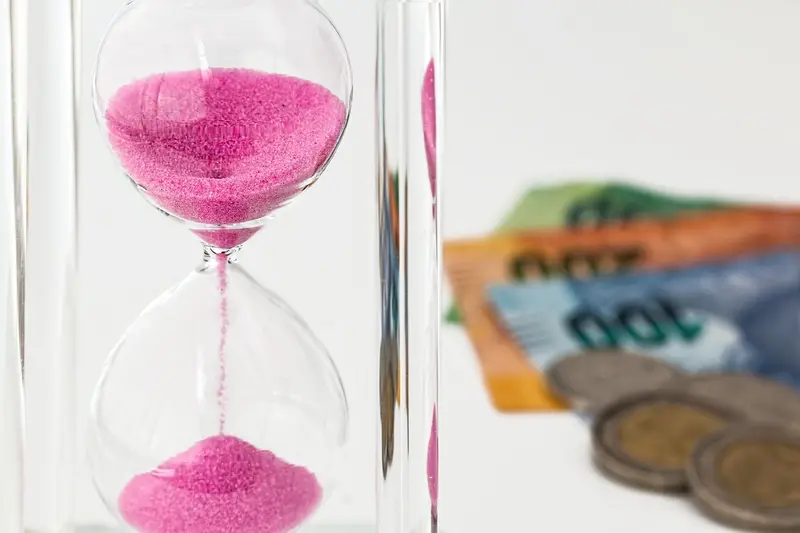
Will Cash Disappear?
Sweden: almost cashless
1 / 8
Model script
Good afternoon, everyone. Last month, I realized I hadn't touched cash for three weeks. I paid for everything with my phone. Then my grandmother gave me a birthday card with money inside, and I wondered: will cash still exist when I'm her age? Today, I'll make a prediction about cash in 2040. First, I'll show you a country where cash is almost gone. Then, I'll look at a region where cash is still common. After that, I'll explain what could slow the change. Finally, I'll share my prediction.
Your recording
Say this slide out loud, then listen to yourself.
Recordings stay on this device and disappear when you leave the page.
Useful phrases
I realized
I suddenly understood or noticed.
I'll make a prediction about
I will say what I think will happen to...
Finally, I'll share
My last point will be...
Words
Highlighted words are on this slide. Tap a word to look it up on Google.
Full script
Read the whole talk.
All slides in one place. Read it through once, then practice slide by slide.
01Will Cash Disappear?
Good afternoon, everyone. Last month, I realized I hadn't touched cash for three weeks. I paid for everything with my phone. Then my grandmother gave me a birthday card with money inside, and I wondered: will cash still exist when I'm her age? Today, I'll make a prediction about cash in 2040. First, I'll show you a country where cash is almost gone. Then, I'll look at a region where cash is still common. After that, I'll explain what could slow the change. Finally, I'll share my prediction.
みなさん、こんにちは。先月、私は3週間も現金にさわっていないことに気づきました。何でもスマートフォンで払っていたのです。そんなとき、祖母がお金の入った誕生日カードをくれて、私は考えました。私が祖母の年になったとき、現金はまだあるのだろうか?今日は、2040年の現金について予測をします。まず、現金がほとんどなくなった国を紹介します。次に、現金が今もよく使われている地域を見ます。そのあと、変化を遅らせるかもしれないことを説明します。最後に、私の予測をお話しします。
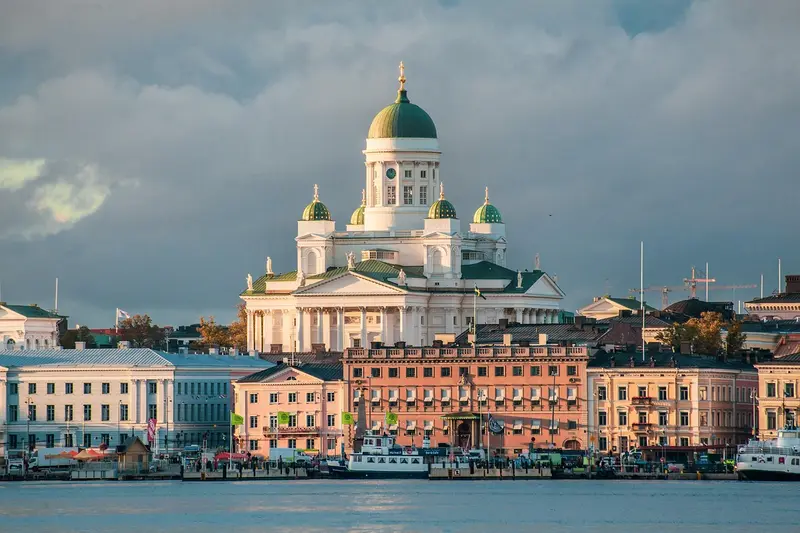
02Sweden: Almost Cashless
Let's start with Sweden. According to Sweden's central bank, the Riksbank, only 5% of people paid cash for their last purchase in a store in 2025. In 2023, it was 10%. And about fifteen years ago, it was 40%. That's a huge drop in a short time. In other words, in Sweden today, paying with cash is unusual. This suggests that once most shops and people switch to cards and phones, cash can disappear very quickly from daily life.
まずスウェーデンから始めましょう。スウェーデンの中央銀行であるリクスバンクによると、2025年、お店での最後の買い物を現金で払った人はわずか5%でした。2023年には10%でした。そして15年ほど前には40%でした。短い間にとても大きく減っています。つまり、今のスウェーデンでは、現金で払うのは珍しいことなのです。このことから、ほとんどのお店と人がカードやスマートフォンに切りかえると、現金は毎日の暮らしからとても速く消えることがあると考えられます。
Source: Sveriges Riksbank, "Payments Report 2026: Payment habits in Sweden" (5% paid cash for their last in-store purchase in 2025, compared to 10% in 2023; fifteen years ago, 40%)
03The Euro Area: Cash Still Common
In contrast, cash is still common in the euro area. According to a 2024 study by the European Central Bank, people used cash in 52% of their payments in stores. That's down from 59% in 2022, so cash is falling here, too. But it's still the most frequently used way to pay in stores. In other words, the same change is happening, but much more slowly than in Sweden. One reason might be that habits change slowly, but that's my guess, not a finding from the study.
それとは対照的に、ユーロ圏では今も現金がよく使われています。欧州中央銀行の2024年の調査によると、人々はお店での支払いの52%で現金を使っていました。2022年の59%から下がっているので、ここでも現金は減っています。でも、お店でいちばんよく使われている支払い方法であることは変わりません。言いかえると、同じ変化が起きていますが、スウェーデンよりずっとゆっくりなのです。理由の1つは習慣がゆっくりしか変わらないことかもしれませんが、これは私の推測で、調査の結果ではありません。
Source: European Central Bank, "Study on the payment attitudes of consumers in the euro area (SPACE) 2024", press release, 19 December 2024 (cash used in 52% of point-of-sale transactions, down from 59% in 2022; still the most frequently used payment method in stores)
04What I See at My Part-Time Job
I see this change myself. I work part-time at a café near my university. When I started two years ago, I counted coins and gave change many times a day. Now, most customers just tap their card or phone. It's faster for everyone. But some customers, often older people, still pay with cash, and some of them told me they feel safer that way. So the change is real, but it's not happening at the same speed for everyone.
私自身もこの変化を目にしています。私は大学の近くのカフェでアルバイトをしています。2年前に始めたころは、1日に何度も小銭を数えておつりを渡していました。今では、ほとんどのお客さんがカードかスマートフォンをタッチするだけです。そのほうがだれにとっても速いのです。でも、今も現金で払うお客さんもいて、その多くは年配の方です。そのほうが安心だと話してくれた人もいます。ですから、変化は本当に起きていますが、だれにとっても同じ速さで進んでいるわけではありません。
05What Could Slow the Change
However, there's a strong reason to think cash won't disappear. Many people still want it. The same European Central Bank study found that 62% of consumers say it's important to have the option to pay with cash, up from 60% in 2022. Even in Sweden, the Riksbank reports that people who need cash mention problems like internet outages, and wanting to be prepared for a crisis or war. In short, cash works when technology doesn't. This is the strongest argument against the simple idea that cash will just disappear.
しかし、現金はなくならないと考える強い理由もあります。今も多くの人が現金を必要としているのです。同じ欧州中央銀行の調査では、消費者の62%が、現金で払える選択肢があることは大切だと答えていて、2022年の60%から増えていました。スウェーデンでさえ、リクスバンクによると、現金が必要だという人は、インターネットの障害のような問題や、危機や戦争に備えたいという理由を挙げています。つまり、現金は技術が使えないときにも使えるのです。これは、現金はただ消えていくという単純な考えに対する、いちばん強い反論です。
Sources: European Central Bank, SPACE 2024 press release, 19 December 2024 (62% consider it important to have cash as a payment option, up from 60% in 2022); Sveriges Riksbank, "Payments Report 2026: Payment habits in Sweden" (people who need cash mention technical outages and preparedness for crisis or war)
06My Prediction for 2040
So, here is my prediction. This is my own view, not an official forecast. By 2040, I think cash will be rare in daily life in most rich countries, just like in Sweden today. Young people like us may go months without using it. But I don't think it will disappear completely. Fewer shops may accept it, so we might have to plan ahead when we want to use it. Governments and people will keep it as a backup, like a spare tire in a car. You hope you won't need it, but you're glad it's there.
では、私の予測です。これは私自身の考えで、公式の予測ではありません。2040年までに、多くの豊かな国で、今のスウェーデンのように、現金は日常ではめったに使われなくなると思います。私たちのような若い人は、何か月も現金を使わないかもしれません。でも、現金が完全になくなるとは思いません。現金を受け付けるお店は減るかもしれないので、使いたいときは前もって考えておく必要があるかもしれません。政府も人々も、車のスペアタイヤのように、予備として現金を残しておくでしょう。使わずにすむことを願っていても、あると安心できるものです。
07What It Means for Us
What does this mean for us? I think three things. First, we should learn to manage digital money safely, because that's how we'll pay most of the time. For example, I've started using a budgeting app, and I keep a small amount of cash in my desk drawer. Second, it's smart to keep a little cash at home for outages or emergencies. And third, we should remember people who still rely on cash, like some of the older customers at my café. A good future for money is one that doesn't leave them behind.
これは私たちにとってどんな意味があるでしょうか?3つあると思います。1つ目に、ほとんどの支払いがデジタルになるので、デジタルのお金を安全に管理できるようになるべきです。たとえば、私は家計簿アプリを使い始め、机の引き出しには少しだけ現金を入れています。2つ目に、障害や緊急のときのために、家に少しの現金を置いておくのは賢いことです。そして3つ目に、私のカフェの年配のお客さんのように、今も現金に頼っている人たちのことを忘れないようにすべきです。お金の良い未来とは、そうした人たちを置き去りにしない未来です。
08Rare, But Not Gone
To sum up, cash is almost gone from daily life in Sweden, and it's falling in the euro area, too. But many people still want the option to pay with cash, especially for emergencies. That's why I predict that by 2040, cash will be rare, but not gone. Thank you for listening. And maybe I'll keep my grandmother's birthday money, just in case. I'm happy to take your questions.
まとめると、スウェーデンでは現金は日常からほとんど消え、ユーロ圏でも減ってきています。でも、特に緊急のときのために、現金で払える選択肢を望む人はまだ多くいます。だから私は、2040年までに現金はめったに使われなくなるけれど、なくなりはしないと予測します。ご清聴ありがとうございました。祖母からもらった誕生日のお金は、念のためにとっておこうと思います。ご質問があればどうぞ。
Sources: Sveriges Riksbank, "Payments Report 2026"; European Central Bank, SPACE 2024 press release, 19 December 2024
More Money & Business presentations

Cover photo by stevepb on Pixabay