Half of New Businesses Close in Five Years. What Helps the Rest Survive?
IntermediateMoney & Business英語プレゼンのお手本の原稿と日本語訳。スライドごとに、聞いて・話して練習できます。

Will a New Business Survive?
The survival numbers
1 / 7
Model script
Good morning, everyone. Many of us dream of starting a business one day. But how many new businesses actually survive? Today, I'll answer that question with real data. First, I'll show you the survival numbers. Next, I'll share two things that help a new business last. Then, I'll look at what the numbers don't tell us. Finally, I'll explain what this means for us.
Your recording
Say this slide out loud, then listen to yourself.
Recordings stay on this device and disappear when you leave the page.
Useful phrases
dream of starting
Hope to begin something one day.
I'll answer that question with real data
I will use true numbers to reply to the question.
what the numbers don't tell us
Things we can't learn from the data alone.
Words
Highlighted words are on this slide. Tap a word to look it up on Google.
Full script
Read the whole talk.
All slides in one place. Read it through once, then practice slide by slide.
01Will a New Business Survive?
Good morning, everyone. Many of us dream of starting a business one day. But how many new businesses actually survive? Today, I'll answer that question with real data. First, I'll show you the survival numbers. Next, I'll share two things that help a new business last. Then, I'll look at what the numbers don't tell us. Finally, I'll explain what this means for us.
みなさん、おはようございます。私たちの多くは、いつか自分で事業を始めることを夢見ています。でも、新しい事業は実際にどれくらい生き残るのでしょうか?今日は、この問いに実際のデータで答えます。まず、生き残る割合の数字をお見せします。次に、新しい事業が長く続くのに役立つ2つのことをお話しします。それから、数字からは分からないことを見ていきます。最後に、これが私たちにとって何を意味するのかを説明します。
02The Survival Numbers
Let's start with the numbers. According to the U.S. Bureau of Labor Statistics, of the businesses that opened in 2013, 79.6% were still open after one year. After five years, only 50.6% were left. And after ten years, just 34.7% were still running. In other words, about half of new businesses close within five years.
まずは数字から見ていきましょう。アメリカ労働統計局によると、2013年に開業した事業のうち、1年後もまだ営業していたのは79.6%でした。5年後に残っていたのは、わずか50.6%です。そして10年後には、まだ続いていたのは34.7%だけでした。つまり、新しい事業のおよそ半分は、5年以内に閉じてしまうのです。
Source: U.S. Bureau of Labor Statistics, "34.7 percent of business establishments born in 2013 were still operating in 2023," The Economics Daily, January 12, 2024 (private-sector establishments born in March 2013: 79.6% survived 1 year, 50.6% survived 5 years, 34.7% survived 10 years)
031. Test Your Idea First
So, what helps? My first point is to test your idea before you spend a lot of money. A 2020 study in Italy followed 116 new startups. Some founders were trained to treat their ideas like a scientist's hypothesis and test them with real customers. These founders performed better, and they were more likely to change to a different idea early. This shows that testing is cheaper than guessing.
では、何が役に立つのでしょうか?1つ目は、たくさんお金を使う前に、アイデアを試してみることです。2020年にイタリアで行われた研究では、116の新しいスタートアップを追いかけました。一部の創業者は、自分のアイデアを科学者の仮説のように扱い、実際のお客さんで確かめる方法を教わりました。この創業者たちは成績がよく、早い段階で別のアイデアに切り替えることも多かったのです。このことから、試すほうが、勘で決めるよりも安くすむことが分かります。
Source: Camuffo, A., Cordova, A., Gambardella, A., & Spina, C. (2020). "A Scientific Approach to Entrepreneurial Decision Making: Evidence from a Randomized Control Trial." Management Science, 66(2), 564–586 (116 Italian startups; founders trained to form and test hypotheses performed better and were more likely to pivot to a different idea)
042. Start Small
My second point is to start small. This comes from my own family. My aunt wanted to open a café. Instead of renting a shop right away, she sold coffee at a weekend market for a year. She learned which drinks sold well, and she saved money. When she finally opened her café, she already had regular customers. Starting small gave her time to learn without a big risk.
2つ目は、小さく始めることです。これは私の家族の話です。私のおばはカフェを開きたいと思っていました。すぐにお店を借りるのではなく、1年間、週末のマーケットでコーヒーを売りました。どの飲み物がよく売れるかを学び、お金もためました。ついにカフェを開いたときには、もう常連のお客さんがいました。小さく始めたことで、大きなリスクを負わずに学ぶ時間ができたのです。
05Closing Isn't Always Failing
Now, let's look at what the numbers don't tell us. Some people say, "Half of businesses close, so starting one is too risky." That's fair, but closing is not always failing. A 2003 study by Brian Headd, an economist at the U.S. Small Business Administration, found that about a third of businesses that closed were successful when they closed. Some owners may have sold the business or simply retired.
では、数字からは分からないことを見てみましょう。「事業の半分が閉じるなら、始めるのは危なすぎる」と言う人もいます。もっともな意見です。でも、閉じることが、いつも失敗だとは限りません。アメリカ中小企業庁の経済学者ブライアン・ヘッドが2003年に行った研究によると、閉じた事業のおよそ3分の1は、閉じたときにうまくいっていました。事業を売ったり、ただ引退したりした経営者もいたのかもしれません。
Source: Headd, B. (2003). "Redefining Business Success: Distinguishing Between Closure and Failure." Small Business Economics, 21(1), 51–61 (about a third of closed businesses were successful at closure)
06What This Means for Us
So, what does this mean for us? In my view, the data shouldn't scare us away from starting a business. Instead, it tells us how to start. We can test an idea with a small project, like a stall at the school festival or a small online shop. If it doesn't work, we lose very little, and we learn a lot. That's a good deal for a student.
では、これは私たちにとって何を意味するのでしょうか?私の考えでは、このデータを見て事業を始めることを怖がる必要はありません。むしろ、データは始め方を教えてくれています。学園祭の出店や小さなネットショップのような、小さな企画でアイデアを試すことができます。うまくいかなくても、失うものはほんの少しで、学ぶことはたくさんあります。学生にとっては、いい取引です。
07To Sum Up
To sum up, about half of new businesses close within five years. But testing your idea first and starting small can help, and closing doesn't always mean failing. So, if you have a business idea, don't be afraid. Just start small. Thank you for listening. I'm happy to take your questions.
まとめると、新しい事業のおよそ半分は5年以内に閉じてしまいます。でも、まずアイデアを試すことと小さく始めることが助けになりますし、閉じることがいつも失敗を意味するわけではありません。ですから、事業のアイデアがあるなら、怖がらないでください。まずは小さく始めてみましょう。ご清聴ありがとうございました。ご質問があれば、喜んでお答えします。
Source: U.S. Bureau of Labor Statistics, "34.7 percent of business establishments born in 2013 were still operating in 2023," The Economics Daily, January 12, 2024
More Money & Business presentations

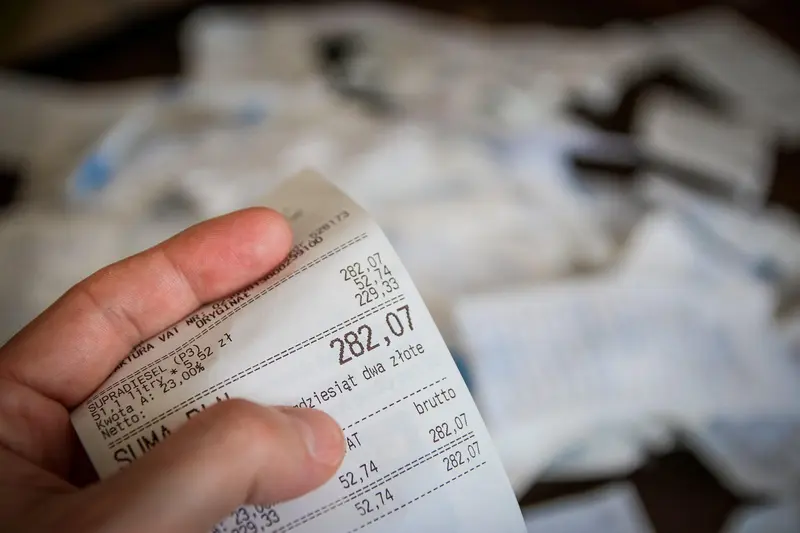



Cover photo by AlanDavidRobb on Pixabay
Slide photos by picturexphotobnb, Nodrog1960 on Pixabay