Half of New Businesses Close in Five Years. What Helps the Rest Survive?
IntermediateMoney & Business英文簡報的示範講稿與中文翻譯。每一頁都可以聽示範、開口練習。

Will a New Business Survive?
The survival numbers
1 / 7
Model script
Good morning, everyone. Many of us dream of starting a business one day. But how many new businesses actually survive? Today, I'll answer that question with real data. First, I'll show you the survival numbers. Next, I'll share two things that help a new business last. Then, I'll look at what the numbers don't tell us. Finally, I'll explain what this means for us.
Your recording
Say this slide out loud, then listen to yourself.
Recordings stay on this device and disappear when you leave the page.
Useful phrases
dream of starting
Hope to begin something one day.
I'll answer that question with real data
I will use true numbers to reply to the question.
what the numbers don't tell us
Things we can't learn from the data alone.
Words
Highlighted words are on this slide. Tap a word to look it up on Google.
Full script
Read the whole talk.
All slides in one place. Read it through once, then practice slide by slide.
01Will a New Business Survive?
Good morning, everyone. Many of us dream of starting a business one day. But how many new businesses actually survive? Today, I'll answer that question with real data. First, I'll show you the survival numbers. Next, I'll share two things that help a new business last. Then, I'll look at what the numbers don't tell us. Finally, I'll explain what this means for us.
大家早安。我們很多人都夢想有一天能自己創業。但是,新開的公司到底有多少能撐下去呢?今天,我會用真實的數據來回答這個問題。首先,我會讓大家看看存活率的數字。接著,分享兩個能幫助新事業長久經營的方法。然後,我們來看看這些數字沒有告訴我們的事。最後,我會說明這對我們代表什麼。
02The Survival Numbers
Let's start with the numbers. According to the U.S. Bureau of Labor Statistics, of the businesses that opened in 2013, 79.6% were still open after one year. After five years, only 50.6% were left. And after ten years, just 34.7% were still running. In other words, about half of new businesses close within five years.
我們先來看數字。根據美國勞工統計局的資料,在2013年開業的事業中,一年後還在營業的有79.6%。五年後,只剩下50.6%。十年後,還在經營的只有34.7%。換句話說,大約一半的新事業會在五年內關門。
Source: U.S. Bureau of Labor Statistics, "34.7 percent of business establishments born in 2013 were still operating in 2023," The Economics Daily, January 12, 2024 (private-sector establishments born in March 2013: 79.6% survived 1 year, 50.6% survived 5 years, 34.7% survived 10 years)
031. Test Your Idea First
So, what helps? My first point is to test your idea before you spend a lot of money. A 2020 study in Italy followed 116 new startups. Some founders were trained to treat their ideas like a scientist's hypothesis and test them with real customers. These founders performed better, and they were more likely to change to a different idea early. This shows that testing is cheaper than guessing.
那麼,什麼方法有幫助呢?我的第一點是:在花大錢之前,先測試你的點子。2020年義大利的一項研究追蹤了116家新創公司。其中一部分創辦人接受了訓練,學會把自己的點子當成科學家的假設,再用真實的顧客來驗證。這些創辦人的表現比較好,也比較有可能早早換成別的點子。這說明,測試比憑感覺猜要便宜得多。
Source: Camuffo, A., Cordova, A., Gambardella, A., & Spina, C. (2020). "A Scientific Approach to Entrepreneurial Decision Making: Evidence from a Randomized Control Trial." Management Science, 66(2), 564–586 (116 Italian startups; founders trained to form and test hypotheses performed better and were more likely to pivot to a different idea)
042. Start Small
My second point is to start small. This comes from my own family. My aunt wanted to open a café. Instead of renting a shop right away, she sold coffee at a weekend market for a year. She learned which drinks sold well, and she saved money. When she finally opened her café, she already had regular customers. Starting small gave her time to learn without a big risk.
我的第二點是:從小規模開始。這是我自己家裡的經驗。我阿姨一直想開一家咖啡店。她沒有馬上去租店面,而是先在週末市集賣了一年咖啡。她摸清楚哪些飲料賣得好,也存了一些錢。等她終於開了咖啡店,已經有一群熟客了。從小規模開始,讓她有時間學習,又不用冒太大的風險。
05Closing Isn't Always Failing
Now, let's look at what the numbers don't tell us. Some people say, "Half of businesses close, so starting one is too risky." That's fair, but closing is not always failing. A 2003 study by Brian Headd, an economist at the U.S. Small Business Administration, found that about a third of businesses that closed were successful when they closed. Some owners may have sold the business or simply retired.
現在,我們來看看這些數字沒有告訴我們的事。有人會說:「一半的事業都會關門,所以創業風險太大了。」這說法有道理,但關門不一定等於失敗。美國小型企業管理局的經濟學家布萊恩‧赫德在2003年的一項研究發現,關門的事業中,大約三分之一在關門時其實經營得很成功。有些老闆可能是把事業賣掉了,或只是退休了。
Source: Headd, B. (2003). "Redefining Business Success: Distinguishing Between Closure and Failure." Small Business Economics, 21(1), 51–61 (about a third of closed businesses were successful at closure)
06What This Means for Us
So, what does this mean for us? In my view, the data shouldn't scare us away from starting a business. Instead, it tells us how to start. We can test an idea with a small project, like a stall at the school festival or a small online shop. If it doesn't work, we lose very little, and we learn a lot. That's a good deal for a student.
那麼,這對我們代表什麼呢?我認為,這些數據不該把我們嚇得不敢創業。相反地,它告訴我們該怎麼開始。我們可以用一個小計畫來測試點子,像是在校慶擺攤,或開一家小網路商店。就算不成功,我們損失很少,卻能學到很多。對學生來說,這很划算。
07To Sum Up
To sum up, about half of new businesses close within five years. But testing your idea first and starting small can help, and closing doesn't always mean failing. So, if you have a business idea, don't be afraid. Just start small. Thank you for listening. I'm happy to take your questions.
總結一下,大約一半的新事業會在五年內關門。但是,先測試點子、從小規模開始都會有幫助,而且關門不一定代表失敗。所以,如果你有創業的點子,不要害怕。從小地方開始就好。謝謝大家聆聽。歡迎大家提問。
Source: U.S. Bureau of Labor Statistics, "34.7 percent of business establishments born in 2013 were still operating in 2023," The Economics Daily, January 12, 2024
More Money & Business presentations

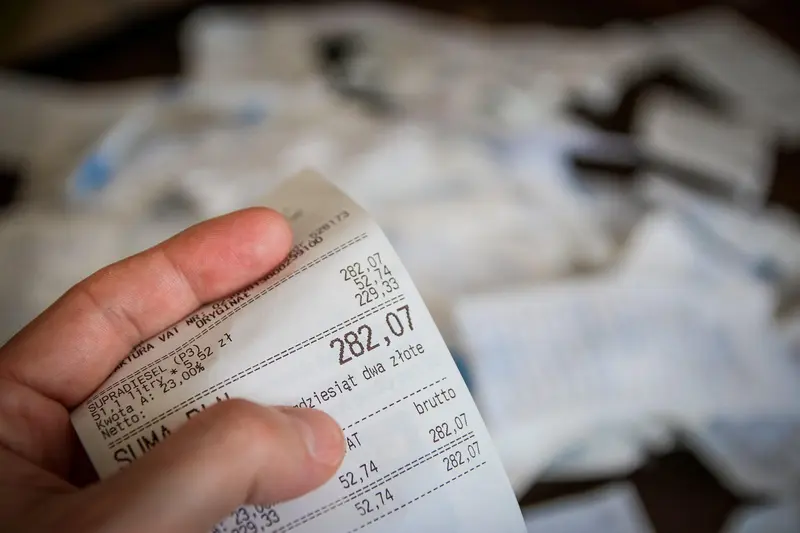




Cover photo by AlanDavidRobb on Pixabay
Slide photos by picturexphotobnb, Nodrog1960 on Pixabay