英文簡報的示範講稿與中文翻譯。每一頁都可以聽示範、開口練習。
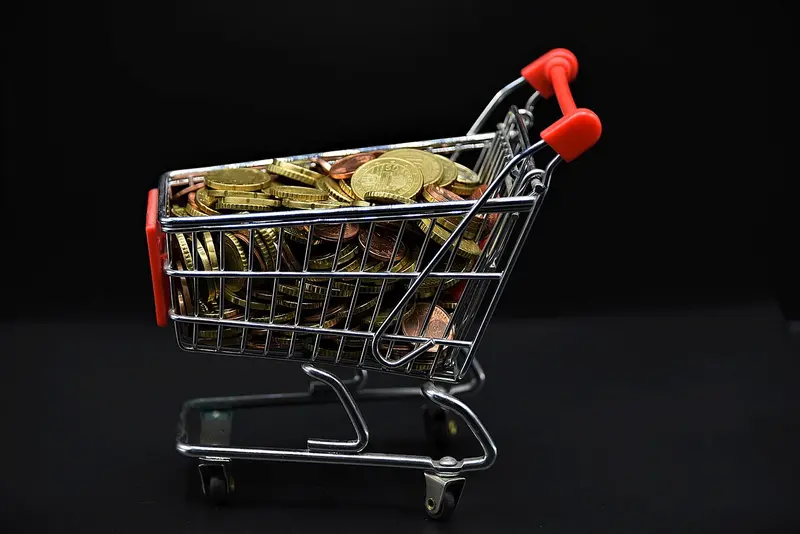
My Lunch Got More Expensive
What inflation is
1 / 7
Model script
Hi, everyone. When I started university, my favorite lunch at the campus café cost five dollars. Now it costs six. The food is the same, but the price is not. This is called inflation. Today, I'll explain three things. First, what inflation is. Second, why it happens. And third, why a little inflation is actually normal.
Your recording
Say this slide out loud, then listen to yourself.
Recordings stay on this device and disappear when you leave the page.
Useful phrases
This is called
The name for this is...
Today, I'll explain three things
I tell the listeners my three points before I start.
Words
Highlighted words are on this slide. Tap a word to look it up on Google.
Full script
Read the whole talk.
All slides in one place. Read it through once, then practice slide by slide.
01My Lunch Got More Expensive
Hi, everyone. When I started university, my favorite lunch at the campus café cost five dollars. Now it costs six. The food is the same, but the price is not. This is called inflation. Today, I'll explain three things. First, what inflation is. Second, why it happens. And third, why a little inflation is actually normal.
大家好。我剛上大學的時候,校園咖啡廳裡我最喜歡的午餐是五美元。現在要六美元了。餐點一樣,價格卻不一樣。這就叫做通貨膨脹。今天,我要說明三件事。第一,什麼是通貨膨脹。第二,它為什麼會發生。第三,為什麼一點點通貨膨脹其實是正常的。
02What Is Inflation?
So, what is inflation? Inflation means that prices in general go up over time. It's not about one product, like my lunch. It's about the average price of many things people buy, such as food, rent, and transport. When prices rise, the same money buys less. In other words, inflation slowly makes our money weaker.
那麼,什麼是通貨膨脹呢?通貨膨脹是指物價隨著時間整體上漲。它說的不是單一商品,像是我的午餐。它說的是大家會買的很多東西的平均價格,像是食物、房租和交通費。物價上漲時,同樣的錢能買到的東西就變少了。換句話說,通貨膨脹會讓我們的錢慢慢變薄。
03A Real Example: 2022
Let me give you a real example. According to the U.S. Bureau of Labor Statistics, consumer prices in the United States rose 9.1% in the 12 months up to June 2022. That was the largest increase in more than 40 years. Energy prices rose even faster, by 41.6%. This shows that inflation can change quickly, and that it hits the things everyone needs.
我舉一個真實的例子。根據美國勞工統計局的資料,在截至2022年6月的12個月裡,美國的消費者物價上漲了9.1%。這是40多年來最大的漲幅。能源價格漲得更快,上漲了41.6%。這說明通貨膨脹可能變化得很快,而且會影響到每個人都需要的東西。
Source: U.S. Bureau of Labor Statistics, "Consumer prices up 9.1 percent over the year ended June 2022, largest increase in 40 years" (The Economics Daily, July 2022; energy prices up 41.6 percent)
04Why Prices Go Up
My second point is why inflation happens. There are two main causes. The first is when people want to buy more than businesses can make. Then sellers can raise their prices. The second is when costs go up for businesses, for example energy or ingredients. Then they pass the cost on to us. My campus café told us that this second reason was why my lunch got more expensive.
我的第二點是,通貨膨脹為什麼會發生。主要有兩個原因。第一,大家想買的東西比企業能生產的還多。這時,賣方就可以漲價。第二,企業的成本上升了,像是能源或原料。這時,企業就會把成本轉嫁到我們身上。校園咖啡廳的人跟我們說,我的午餐變貴,就是因為第二個原因。
05Shouldn't Inflation Be Zero?
Now, some people say that the best inflation is zero. That's fair. Rising prices hurt, especially for students like us. But most central banks don't aim for zero. According to the U.S. Federal Reserve, inflation of 2% over the longer run is most consistent with its goals of maximum employment and stable prices. The Fed made 2% its official target in 2012.
有些人會說,最好的通貨膨脹是零。這說得也沒錯。物價上漲很讓人吃不消,對我們這樣的學生來說更是如此。但大部分的中央銀行並不是以零為目標。根據美國聯邦準備系統的說法,長期來看,2%的通貨膨脹最符合它追求充分就業和物價穩定的目標。聯準會在2012年把2%定為正式目標。
Sources: Board of Governors of the Federal Reserve System, "Why does the Federal Reserve aim for inflation of 2 percent over the longer run?" (FAQ); Federal Reserve Bank of St. Louis, "The Fed's Inflation Target: Why 2 Percent?" (Open Vault, January 2019; explicit 2% target adopted in January 2012)
06Why Not Zero?
Why not zero? One reason is that falling prices can be dangerous. The St. Louis Fed explains that the costs of prices falling would be higher than the costs of a small rise. When prices fall, people may wait to buy things, and the economy can slow down. So a small, steady rise works like a safety margin. The real problem is inflation that is too high or too fast, like in 2022.
為什麼不是零呢?原因之一是,物價下跌可能很危險。聖路易聯邦準備銀行說明,物價下跌帶來的代價,會比物價小幅上漲的代價更大。物價下跌時,大家可能會想等以後再買,經濟就可能放緩。所以,小幅而穩定的上漲,就像一個安全緩衝。真正的問題,是像2022年那樣太高或太快的通貨膨脹。
Source: Federal Reserve Bank of St. Louis, "The Fed's Inflation Target: Why 2 Percent?" (Open Vault, January 2019; the costs of deflation are higher than the costs of 2% inflation)
07Now You Know Why
To sum up, inflation means prices in general go up, so our money buys less. It happens when demand is too strong or when costs rise. And a little inflation, about 2%, is normal. So next time your lunch costs more, you'll know why. Thank you. I'm happy to take your questions.
總結來說,通貨膨脹是指物價整體上漲,我們的錢能買到的東西變少了。當需求太強,或是成本上升時,它就會發生。而大約2%的小幅通貨膨脹是正常的。所以,下次你的午餐變貴時,你就知道原因了。謝謝大家,歡迎提問。
Sources: Board of Governors of the Federal Reserve System, "Why does the Federal Reserve aim for inflation of 2 percent over the longer run?" (FAQ); U.S. Bureau of Labor Statistics, "Consumer prices up 9.1 percent over the year ended June 2022, largest increase in 40 years" (The Economics Daily, July 2022)
More Money & Business presentations

Cover photo by HOerwin56 on Pixabay