Guion modelo de una presentación en inglés con traducción al español. Escucha y practica diapositiva por diapositiva.
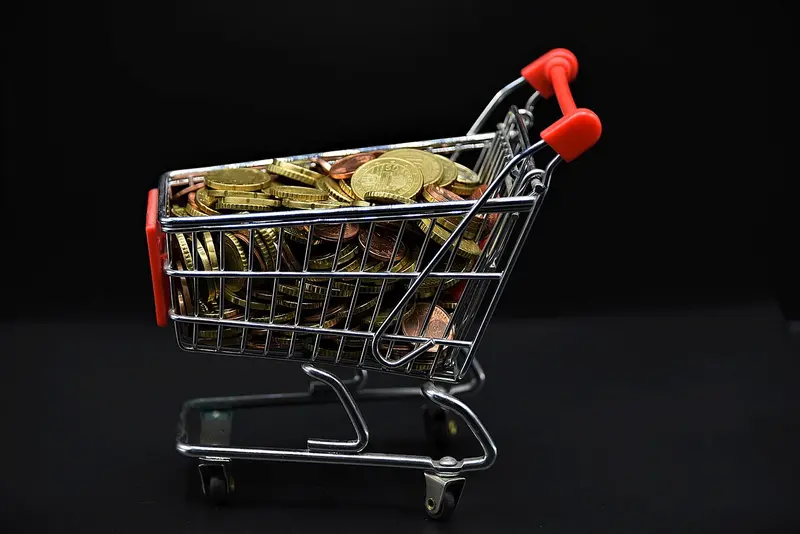
My Lunch Got More Expensive
What inflation is
1 / 7
Model script
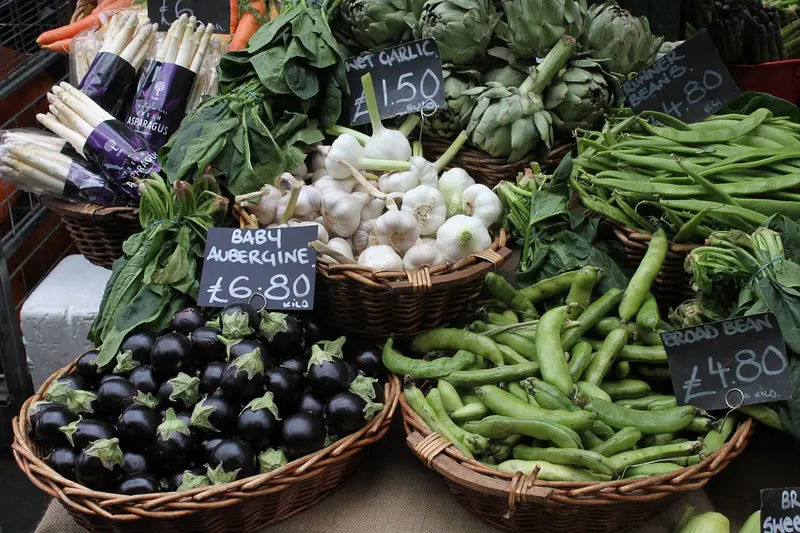
Hi, everyone. When I started university, my favorite lunch at the campus café cost five dollars. Now it costs six. The food is the same, but the price is not. This is called inflation. Today, I'll explain three things. First, what inflation is. Second, why it happens. And third, why a little inflation is actually normal.
Your recording
Say this slide out loud, then listen to yourself.
Recordings stay on this device and disappear when you leave the page.
Useful phrases
This is called
The name for this is...
Today, I'll explain three things
I tell the listeners my three points before I start.
Words
Highlighted words are on this slide. Tap a word to look it up on Google.
Full script
Read the whole talk.
All slides in one place. Read it through once, then practice slide by slide.
01My Lunch Got More Expensive
Hi, everyone. When I started university, my favorite lunch at the campus café cost five dollars. Now it costs six. The food is the same, but the price is not. This is called inflation. Today, I'll explain three things. First, what inflation is. Second, why it happens. And third, why a little inflation is actually normal.
Hola a todos. Cuando empecé la universidad, mi almuerzo favorito en la cafetería del campus costaba cinco dólares. Ahora cuesta seis. La comida es la misma, pero el precio no. Esto se llama inflación. Hoy voy a explicar tres cosas. Primero, qué es la inflación. Segundo, por qué ocurre. Y tercero, por qué un poco de inflación es en realidad normal.
02What Is Inflation?
So, what is inflation? Inflation means that prices in general go up over time. It's not about one product, like my lunch. It's about the average price of many things people buy, such as food, rent, and transport. When prices rise, the same money buys less. In other words, inflation slowly makes our money weaker.
Entonces, ¿qué es la inflación? La inflación significa que los precios en general suben con el tiempo. No se trata de un solo producto, como mi almuerzo. Se trata del precio promedio de muchas cosas que la gente compra, como la comida, el alquiler y el transporte. Cuando los precios suben, con el mismo dinero se compra menos. En otras palabras, la inflación hace que nuestro dinero valga cada vez menos.
03A Real Example: 2022
Let me give you a real example. According to the U.S. Bureau of Labor Statistics, consumer prices in the United States rose 9.1% in the 12 months up to June 2022. That was the largest increase in more than 40 years. Energy prices rose even faster, by 41.6%. This shows that inflation can change quickly, and that it hits the things everyone needs.
Les doy un ejemplo real. Según la Oficina de Estadísticas Laborales de Estados Unidos, los precios al consumidor en Estados Unidos subieron un 9.1% en los 12 meses hasta junio de 2022. Fue el mayor aumento en más de 40 años. Los precios de la energía subieron aún más rápido, un 41.6%. Esto muestra que la inflación puede cambiar rápidamente y que afecta a las cosas que todos necesitamos.
Source: U.S. Bureau of Labor Statistics, "Consumer prices up 9.1 percent over the year ended June 2022, largest increase in 40 years" (The Economics Daily, July 2022; energy prices up 41.6 percent)
04Why Prices Go Up
My second point is why inflation happens. There are two main causes. The first is when people want to buy more than businesses can make. Then sellers can raise their prices. The second is when costs go up for businesses, for example energy or ingredients. Then they pass the cost on to us. My campus café told us that this second reason was why my lunch got more expensive.
Mi segundo punto es por qué ocurre la inflación. Hay dos causas principales. La primera es cuando la gente quiere comprar más de lo que las empresas pueden producir. Entonces los vendedores pueden subir sus precios. La segunda es cuando suben los costos para las empresas, por ejemplo la energía o los ingredientes. Entonces nos trasladan ese costo a nosotros. En la cafetería del campus nos dijeron que esta segunda razón era la causa de que mi almuerzo fuera más caro.
05Shouldn't Inflation Be Zero?
Now, some people say that the best inflation is zero. That's fair. Rising prices hurt, especially for students like us. But most central banks don't aim for zero. According to the U.S. Federal Reserve, inflation of 2% over the longer run is most consistent with its goals of maximum employment and stable prices. The Fed made 2% its official target in 2012.
Ahora bien, algunas personas dicen que la mejor inflación es cero. Es razonable. Que suban los precios duele, sobre todo a estudiantes como nosotros. Pero la mayoría de los bancos centrales no buscan una inflación de cero. Según la Reserva Federal de Estados Unidos, una inflación del 2% a largo plazo es la más coherente con sus objetivos de máximo empleo y precios estables. La Reserva Federal fijó el 2% como su meta oficial en 2012.
Sources: Board of Governors of the Federal Reserve System, "Why does the Federal Reserve aim for inflation of 2 percent over the longer run?" (FAQ); Federal Reserve Bank of St. Louis, "The Fed's Inflation Target: Why 2 Percent?" (Open Vault, January 2019; explicit 2% target adopted in January 2012)
06Why Not Zero?
Why not zero? One reason is that falling prices can be dangerous. The St. Louis Fed explains that the costs of prices falling would be higher than the costs of a small rise. When prices fall, people may wait to buy things, and the economy can slow down. So a small, steady rise works like a safety margin. The real problem is inflation that is too high or too fast, like in 2022.
¿Por qué no cero? Una razón es que la caída de los precios puede ser peligrosa. La Reserva Federal de San Luis explica que el costo de que los precios bajen sería mayor que el costo de una pequeña subida. Cuando los precios bajan, la gente puede esperar para comprar, y la economía puede frenarse. Por eso, una subida pequeña y constante funciona como un margen de seguridad. El verdadero problema es una inflación demasiado alta o demasiado rápida, como en 2022.
Source: Federal Reserve Bank of St. Louis, "The Fed's Inflation Target: Why 2 Percent?" (Open Vault, January 2019; the costs of deflation are higher than the costs of 2% inflation)
07Now You Know Why
To sum up, inflation means prices in general go up, so our money buys less. It happens when demand is too strong or when costs rise. And a little inflation, about 2%, is normal. So next time your lunch costs more, you'll know why. Thank you. I'm happy to take your questions.
En resumen, la inflación significa que los precios en general suben, así que con nuestro dinero compramos menos. Ocurre cuando la demanda es demasiado fuerte o cuando suben los costos. Y un poco de inflación, alrededor del 2%, es normal. Así que la próxima vez que su almuerzo cueste más, sabrán por qué. Gracias. Con gusto respondo sus preguntas.
Sources: Board of Governors of the Federal Reserve System, "Why does the Federal Reserve aim for inflation of 2 percent over the longer run?" (FAQ); U.S. Bureau of Labor Statistics, "Consumer prices up 9.1 percent over the year ended June 2022, largest increase in 40 years" (The Economics Daily, July 2022)
More Money & Business presentations
Cover photo by HOerwin56 on Pixabay