Guion modelo de una presentación en inglés con traducción al español. Escucha y practica diapositiva por diapositiva.
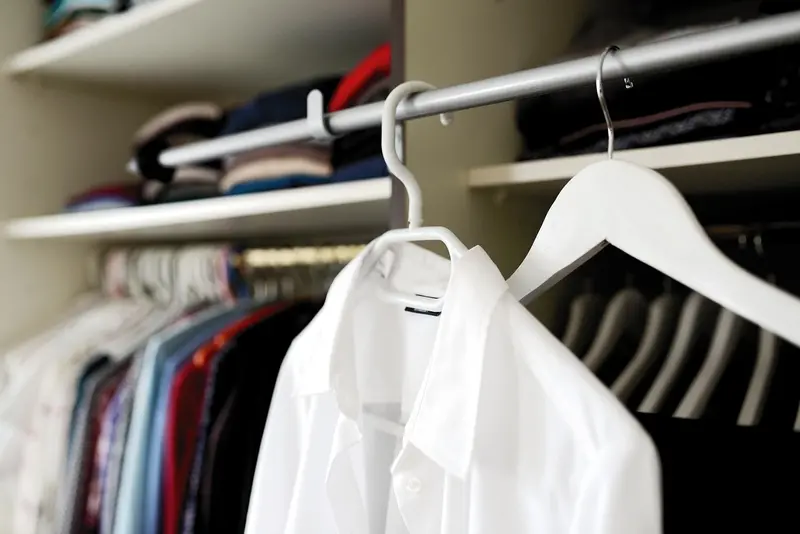
My Three-Month Experiment
What I did
1 / 7
Model script
Hi, everyone. Last spring, my closet was full of clothes I never wore, and I needed some extra money. So I tried a small side job: selling my old clothes on a resale app. Today, I'll tell you if it was worth it. First, I'll explain what I did. Then, I'll talk about two good points and two bad points. Finally, I'll give my verdict and some advice if you want to try it.
Your recording
Say this slide out loud, then listen to yourself.
Recordings stay on this device and disappear when you leave the page.
Useful phrases
I needed some extra money
I wanted to earn a little more money.
I'll tell you if it was worth it
I'll say if the result was good enough for the effort.
if you want to try it
For people who are thinking of doing it.
Words
Highlighted words are on this slide. Tap a word to look it up on Google.
Full script
Read the whole talk.
All slides in one place. Read it through once, then practice slide by slide.
01My Three-Month Experiment
Hi, everyone. Last spring, my closet was full of clothes I never wore, and I needed some extra money. So I tried a small side job: selling my old clothes on a resale app. Today, I'll tell you if it was worth it. First, I'll explain what I did. Then, I'll talk about two good points and two bad points. Finally, I'll give my verdict and some advice if you want to try it.
Hola a todos. La primavera pasada, mi armario estaba lleno de ropa que nunca usaba, y necesitaba algo de dinero extra. Así que probé un pequeño trabajo extra: vender mi ropa vieja en una aplicación de reventa. Hoy les voy a contar si valió la pena. Primero, explicaré lo que hice. Luego, hablaré de dos puntos buenos y dos puntos malos. Por último, daré mi veredicto y algunos consejos por si quieren probarlo.
02What I Did
First, here's what I did. Over three months, I listed 30 items, mostly jackets, shoes, and T-shirts. For each item, I took photos, wrote a short description, and chose a price. In the end, I sold 18 of the 30 items. After the app's fees and shipping, I earned about 160 dollars. That's not a lot, but it was more than I expected from clothes that were just sitting in my closet.
Primero, esto es lo que hice. Durante tres meses, publiqué 30 artículos, sobre todo chaquetas, zapatos y camisetas. Para cada artículo, tomé fotos, escribí una descripción corta y elegí un precio. Al final, vendí 18 de los 30 artículos. Después de las comisiones de la aplicación y el envío, gané unos 160 dólares. No es mucho, pero fue más de lo que esperaba de una ropa que solo estaba guardada en mi armario.
The numbers on this slide are made up for practice. They are not real data.
03Good Point 1: I Learned Real Business Skills
My first good point is that I learned real business skills. At the start, my photos were dark, and nothing sold. So I started taking photos near a window, and my items sold much faster. I also learned to write clear descriptions with the size and any small damage. And I learned pricing: if a price was too high, nobody even looked. These are small skills, but they're the same ones online shops use every day.
Mi primer punto bueno es que aprendí habilidades de negocio reales. Al principio, mis fotos eran oscuras y no se vendía nada. Así que empecé a tomar fotos cerca de una ventana, y mis artículos se vendieron mucho más rápido. También aprendí a escribir descripciones claras con la talla y cualquier daño pequeño. Y aprendí a fijar precios: si un precio era demasiado alto, nadie ni siquiera miraba. Son habilidades pequeñas, pero son las mismas que usan las tiendas en línea todos los días.
04Good Point 2: Less Waste
My second good point is that it reduced waste. Before this, I usually threw away clothes I didn't need. Now, they went to people who actually wanted them. One buyer sent me a message saying my old jacket was perfect for her first winter in Japan. That made me really happy. Also, my closet became much cleaner, so it's easier to choose what to wear every morning.
Mi segundo punto bueno es que redujo los residuos. Antes de esto, normalmente tiraba la ropa que no necesitaba. Esta vez, fue a parar a personas que de verdad la querían. Una compradora me envió un mensaje diciendo que mi chaqueta vieja era perfecta para su primer invierno en Japón. Eso me hizo muy feliz. Además, mi armario quedó mucho más ordenado, así que ahora es más fácil elegir qué ponerme cada mañana.
05Bad Point 1: It Took a Lot of Time
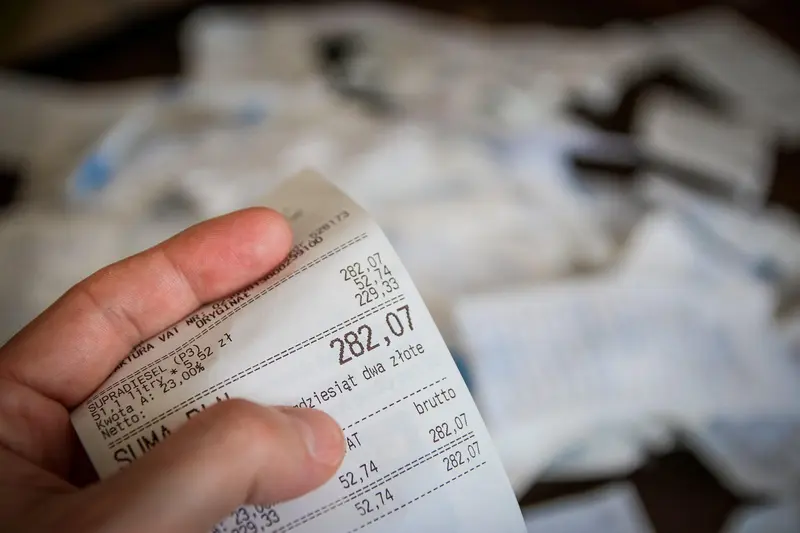
Now for the bad points. The first one is time. I kept a simple record, and I spent about 20 hours in total on photos, messages, and trips to the post office. So I earned about 8 dollars an hour. That's less than the 11 dollars an hour I earn at my part-time job at a café. Some people say this doesn't matter, because you can do it at home whenever you like. That's fair. But for me, those hours were taken from studying and sleep.
Ahora, los puntos malos. El primero es el tiempo. Llevé un registro sencillo y pasé unas 20 horas en total entre fotos, mensajes y viajes a la oficina de correos. Así que gané unos 8 dólares por hora. Es menos que los 11 dólares por hora que gano en mi trabajo de medio tiempo en una cafetería. Algunas personas dicen que esto no importa, porque se puede hacer en casa cuando uno quiera. Es justo. Pero en mi caso, esas horas se las quité al estudio y al sueño.
The numbers on this slide are made up for practice. They are not real data.
06Bad Point 2: Stress and Small Problems
My second bad point is stress. Many buyers asked for big discounts, sometimes half the price. One buyer returned a pair of shoes because they were too small, even though I wrote the size clearly. I also got messages late at night, and I felt I had to answer quickly. None of these problems were serious, but together, they made a small side job feel like a real job.
Mi segundo punto malo es el estrés. Muchos compradores pedían grandes descuentos, a veces la mitad del precio. Un comprador devolvió unos zapatos porque le quedaban pequeños, aunque yo había escrito la talla claramente. También recibía mensajes tarde por la noche y sentía que tenía que responder rápido. Ninguno de estos problemas era grave, pero juntos hicieron que un pequeño trabajo extra se sintiera como un trabajo de verdad.
07My Verdict: Worth It, With Limits
So, was it worth it? To sum up, yes, but not for the money. It taught me real business skills and helped me waste less. But it took a lot of time and caused some stress. My advice is simple: if you try it, sell only things you really don't need, and set a time limit, like two hours a week. Thank you for listening. Do you have any questions?
Entonces, ¿valió la pena? En resumen, sí, pero no por el dinero. Me enseñó habilidades de negocio reales y me ayudó a desperdiciar menos. Pero me llevó mucho tiempo y me causó algo de estrés. Mi consejo es sencillo: si lo prueban, vendan solo cosas que de verdad no necesiten y pongan un límite de tiempo, por ejemplo dos horas a la semana. Gracias por su atención. ¿Tienen alguna pregunta?
More Money & Business presentations
Cover photo by congerdesign on Pixabay
Slide photos by Mariakray on Pixabay