英語プレゼンのお手本の原稿と日本語訳。スライドごとに、聞いて・話して練習できます。
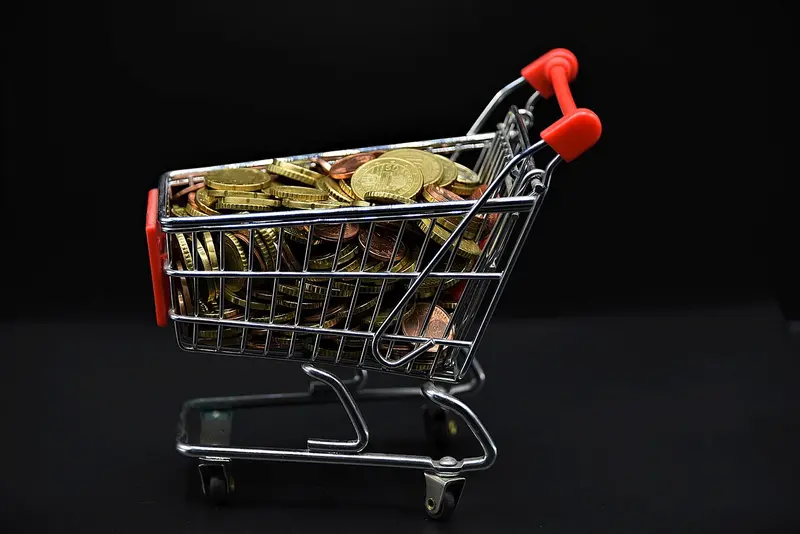
My Lunch Got More Expensive
What inflation is
1 / 7
Model script
Hi, everyone. When I started university, my favorite lunch at the campus café cost five dollars. Now it costs six. The food is the same, but the price is not. This is called inflation. Today, I'll explain three things. First, what inflation is. Second, why it happens. And third, why a little inflation is actually normal.
Your recording
Say this slide out loud, then listen to yourself.
Recordings stay on this device and disappear when you leave the page.
Useful phrases
This is called
The name for this is...
Today, I'll explain three things
I tell the listeners my three points before I start.
Words
Highlighted words are on this slide. Tap a word to look it up on Google.
Full script
Read the whole talk.
All slides in one place. Read it through once, then practice slide by slide.
01My Lunch Got More Expensive
Hi, everyone. When I started university, my favorite lunch at the campus café cost five dollars. Now it costs six. The food is the same, but the price is not. This is called inflation. Today, I'll explain three things. First, what inflation is. Second, why it happens. And third, why a little inflation is actually normal.
みなさん、こんにちは。大学に入ったころ、キャンパスのカフェの私のお気に入りのランチは5ドルでした。今は6ドルです。料理は同じなのに、値段は違います。これがインフレと呼ばれるものです。今日は3つのことを説明します。1つ目は、インフレとは何か。2つ目は、なぜ起きるのか。そして3つ目は、少しのインフレは実はふつうのことだという理由です。
02What Is Inflation?
So, what is inflation? Inflation means that prices in general go up over time. It's not about one product, like my lunch. It's about the average price of many things people buy, such as food, rent, and transport. When prices rise, the same money buys less. In other words, inflation slowly makes our money weaker.
では、インフレとは何でしょうか?インフレとは、物の値段が全体的に、時間とともに上がっていくことです。私のランチのような1つの商品の話ではありません。食べ物、家賃、交通費など、人々が買うたくさんの物の平均の値段の話です。値段が上がると、同じお金で買える物が少なくなります。つまり、インフレは少しずつお金の力を弱めるのです。
03A Real Example: 2022
Let me give you a real example. According to the U.S. Bureau of Labor Statistics, consumer prices in the United States rose 9.1% in the 12 months up to June 2022. That was the largest increase in more than 40 years. Energy prices rose even faster, by 41.6%. This shows that inflation can change quickly, and that it hits the things everyone needs.
実際の例を挙げましょう。アメリカ労働統計局によると、アメリカの消費者物価は、2022年6月までの12か月で9.1%上がりました。これは40年以上で最大の上昇でした。エネルギーの値段はさらに速く、41.6%上がりました。このことから、インフレは急に変わることがあり、だれもが必要とする物に影響することが分かります。
Source: U.S. Bureau of Labor Statistics, "Consumer prices up 9.1 percent over the year ended June 2022, largest increase in 40 years" (The Economics Daily, July 2022; energy prices up 41.6 percent)
04Why Prices Go Up
My second point is why inflation happens. There are two main causes. The first is when people want to buy more than businesses can make. Then sellers can raise their prices. The second is when costs go up for businesses, for example energy or ingredients. Then they pass the cost on to us. My campus café told us that this second reason was why my lunch got more expensive.
2つ目のポイントは、インフレがなぜ起きるかです。主な原因は2つあります。1つ目は、企業が作れる量よりも、人々が買いたい量のほうが多くなるときです。すると、売る側は値段を上げられます。2つ目は、エネルギーや材料など、企業にとってのコストが上がるときです。すると企業は、そのコストを私たちに上乗せします。キャンパスのカフェの人は、私のランチが高くなったのはこの2つ目の理由だと教えてくれました。
05Shouldn't Inflation Be Zero?
Now, some people say that the best inflation is zero. That's fair. Rising prices hurt, especially for students like us. But most central banks don't aim for zero. According to the U.S. Federal Reserve, inflation of 2% over the longer run is most consistent with its goals of maximum employment and stable prices. The Fed made 2% its official target in 2012.
さて、いちばん良いインフレはゼロだと言う人もいます。それはもっともです。値段が上がるのはつらいですし、私たちのような学生にとっては特にそうです。でも、ほとんどの中央銀行はゼロを目指していません。アメリカの連邦準備制度によると、長い目で見て2%のインフレが、最大限の雇用と物価の安定という目標にいちばん合っているそうです。連邦準備制度は2012年に、2%を正式な目標にしました。
Sources: Board of Governors of the Federal Reserve System, "Why does the Federal Reserve aim for inflation of 2 percent over the longer run?" (FAQ); Federal Reserve Bank of St. Louis, "The Fed's Inflation Target: Why 2 Percent?" (Open Vault, January 2019; explicit 2% target adopted in January 2012)
06Why Not Zero?
Why not zero? One reason is that falling prices can be dangerous. The St. Louis Fed explains that the costs of prices falling would be higher than the costs of a small rise. When prices fall, people may wait to buy things, and the economy can slow down. So a small, steady rise works like a safety margin. The real problem is inflation that is too high or too fast, like in 2022.
なぜゼロではないのでしょうか?理由の1つは、値段が下がることが危ないこともあるからです。セントルイス連邦準備銀行は、値段が下がることの損失は、少し上がることの損失より大きいと説明しています。値段が下がると、人々は買うのを待つかもしれず、経済が弱くなることがあります。だから、少しずつ安定して上がることは、安全のためのゆとりのような役割をします。本当の問題は、2022年のように、高すぎたり速すぎたりするインフレなのです。
Source: Federal Reserve Bank of St. Louis, "The Fed's Inflation Target: Why 2 Percent?" (Open Vault, January 2019; the costs of deflation are higher than the costs of 2% inflation)
07Now You Know Why
To sum up, inflation means prices in general go up, so our money buys less. It happens when demand is too strong or when costs rise. And a little inflation, about 2%, is normal. So next time your lunch costs more, you'll know why. Thank you. I'm happy to take your questions.
まとめると、インフレとは物の値段が全体的に上がり、お金で買える物が少なくなることです。買いたい人が多すぎるときや、コストが上がるときに起きます。そして、2%くらいの少しのインフレはふつうのことです。次にランチが高くなったときは、その理由が分かるはずです。ありがとうございました。ご質問があればどうぞ。
Sources: Board of Governors of the Federal Reserve System, "Why does the Federal Reserve aim for inflation of 2 percent over the longer run?" (FAQ); U.S. Bureau of Labor Statistics, "Consumer prices up 9.1 percent over the year ended June 2022, largest increase in 40 years" (The Economics Daily, July 2022)
More Money & Business presentations


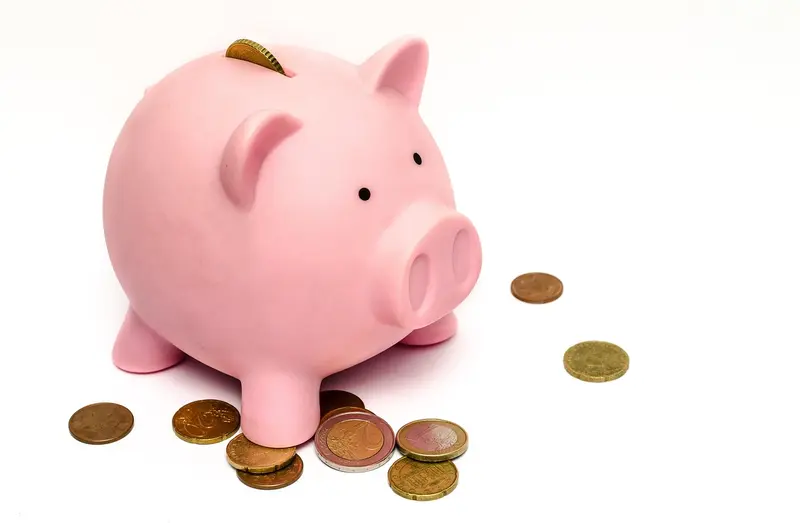
Cover photo by HOerwin56 on Pixabay