The Gender Pay Gap: What the OECD Numbers Show
AdvancedWork & Career英语演讲的示范讲稿与中文翻译。每一页都可以听示范、开口练习。
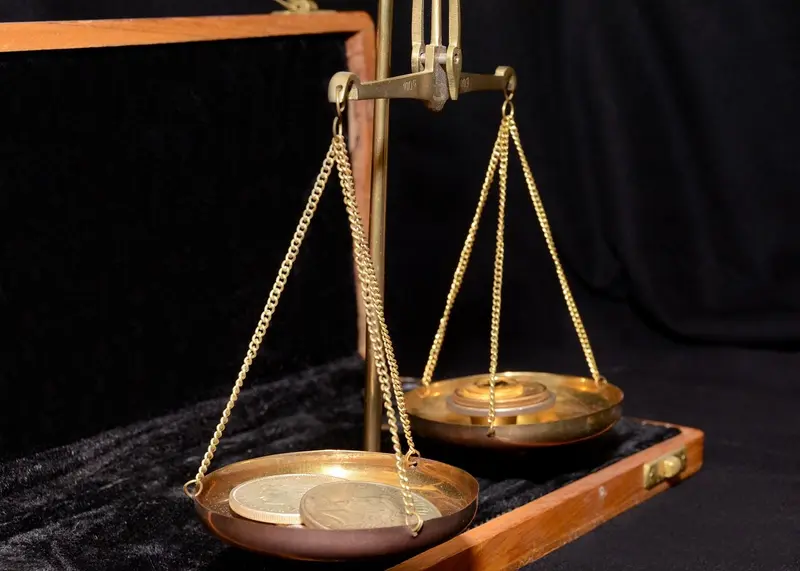
The Gender Pay Gap
What the OECD numbers show
Model script
Good afternoon, everyone. When I started my first job, a friend and I were hired at the same time. A year later, we discovered we were paid differently. That made me curious about the gender pay gap. Today, I'll look at what the numbers actually show.
Your recording
Say this slide out loud, then listen to yourself.
Recordings stay on this device and disappear when you leave the page.
Useful phrases
were hired at the same time
Got jobs at the same moment.
made me curious about
Made me want to learn about.
Full script
Read the whole talk.
All slides in one place. Read it through once, then practice slide by slide.
01The Gender Pay Gap
Good afternoon, everyone. When I started my first job, a friend and I were hired at the same time. A year later, we discovered we were paid differently. That made me curious about the gender pay gap. Today, I'll look at what the numbers actually show.
大家下午好。我找到第一份工作的时候,我和一个朋友是同时被录用的。一年后,我们发现两个人的工资不一样。这让我对性别工资差距产生了好奇。今天,我们来看看这些数字到底说明了什么。
02What the Gap Measures
First, it's important to understand what the number means. The OECD compares the median earnings of men and women who work full-time. The gap is the difference, shown as a percentage of men's earnings.
首先,要弄清楚这个数字的含义。经合组织比较的是全职工作的男性和女性收入的中位数。差距就是两者之差,用占男性收入的百分比来表示。
Source: OECD, gender wage gap indicator (median earnings of full-time employees)
03The OECD Average
According to the OECD, in 2023 the typical full-time working woman earned about eleven percent less than the typical full-time working man. In other words, about eighty-nine cents for every dollar.
根据经合组织的数据,2023年,一名典型的全职女性比一名典型的全职男性少挣约11%。换句话说,男性每挣1美元,女性大约挣89美分。
Source: OECD, "Gender equality and work" (data for 2023)
04Japan's Gap
Japan's gap is much larger. In 2022, it was twenty-one point three percent, about twice the OECD average and one of the largest among OECD countries.
日本的差距要大得多。2022年,日本的差距是21.3%,大约是经合组织平均水平的2倍,在经合组织国家中属于最大的之一。
Source: OECD, gender wage gap data (Japan, 2022); OECD Employment Outlook country note: Japan
05What the Number Doesn't Tell Us
But we need to be careful. This number doesn't only measure women being paid less for the same job. It also reflects differences in the types of jobs men and women do, how many become managers, and career breaks for childcare.
不过,我们需要谨慎。这个数字衡量的不只是女性做同样的工作却拿更少的钱。它也反映了男女从事的工作类型不同、成为管理者的人数不同,以及为照顾孩子而中断职业等因素。
06Making the Gap Visible
One response is transparency. Since July 2022, large companies in Japan have been required to publish their own gender pay gap. The idea is simple: what gets measured can be improved.
一种应对方法是提高透明度。从2022年7月起,日本的大公司被要求公布本公司的性别工资差距。道理很简单:能被衡量的,就能被改善。
Source: Act on Promotion of Women's Participation and Advancement in the Workplace, disclosure rule from July 2022 (summarized by Japan Society and Mercer)
07What Else Could Help
Other ideas include fairer promotion processes, encouraging fathers to take childcare leave, and flexible working options for both men and women, so that caring for family doesn't only fall on one group.
其他的想法还包括:更公平的晋升制度,鼓励父亲休育儿假,以及为男性和女性都提供灵活的工作方式,让照顾家庭的责任不只落在一方身上。
08Conclusion
To conclude, the gender pay gap is real, but it's also complex. If we understand what the number really measures, we can choose the right solutions. Thank you.
最后总结一下,性别工资差距是真实存在的,但也很复杂。只要我们弄清楚这个数字真正衡量的是什么,就能选出正确的解决办法。谢谢大家。
Cover photo by MamaClown on Pixabay