Why We Shouldn't Rush Into Self-Driving Cars
AdvancedAgainstTech & Internet英语演讲的示范讲稿与中文翻译。每一页都可以听示范、开口练习。
Practice the other side:Why We Should Welcome Self-Driving Cars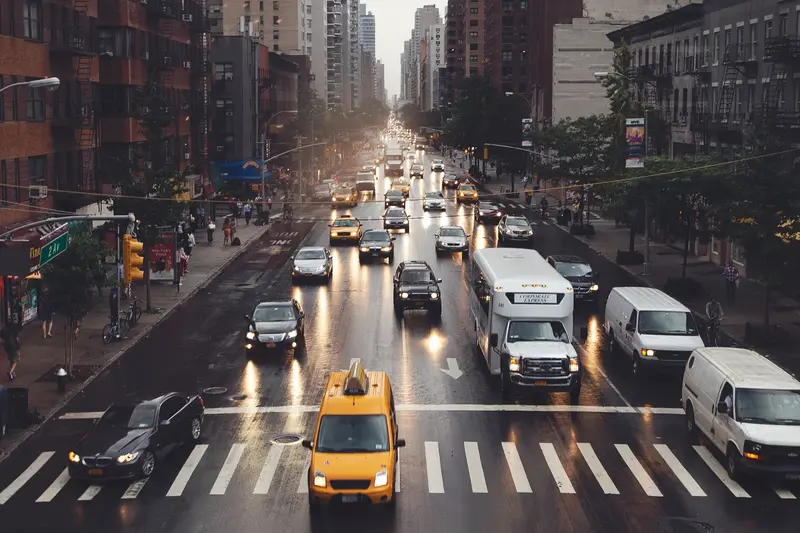
Why We Shouldn't Rush Into Self-Driving Cars
Slow down before we speed up
Model script
Good afternoon, everyone. Self-driving cars are exciting, and I understand why many people want them on our streets. But today, I'll argue that our city shouldn't rush into allowing them.
Your recording
Say this slide out loud, then listen to yourself.
Recordings stay on this device and disappear when you leave the page.
Useful phrases
I understand why many people
Show respect for the other side first.
rush into
Start something too quickly without enough thought.
Full script
Read the whole talk.
All slides in one place. Read it through once, then practice slide by slide.
01Why We Shouldn't Rush Into Self-Driving Cars
Good afternoon, everyone. Self-driving cars are exciting, and I understand why many people want them on our streets. But today, I'll argue that our city shouldn't rush into allowing them.
大家下午好。自动驾驶汽车令人兴奋,我也理解为什么很多人希望它们出现在我们的街道上。但今天,我要论证我们的城市不应该急于允许它们上路。
02What's Happening Now
Let's start with the facts. Waymo has run a fully driverless ride service in Phoenix since 2020, and in San Francisco and Los Angeles since 2024. So the question is no longer whether this is possible, but whether it's ready for everywhere.
我们先从事实说起。Waymo从2020年起在凤凰城运营完全无人驾驶的打车服务,从2024年起在旧金山和洛杉矶运营。所以问题已经不再是这件事是否可行,而是它是否已经准备好在任何地方使用。
Source: Waymo, service launches in Phoenix (2020) and San Francisco and Los Angeles (2024)
03Reason 1: Who Collected the Data?
Supporters often point to a 2024 study showing far fewer insurance claims for Waymo cars than for human drivers. Those results are impressive. But the study was carried out together with Waymo itself, and most safety data comes from the companies that sell the technology.
支持者经常引用2024年的一项研究,研究显示Waymo汽车的保险索赔远少于人类驾驶员。这些结果令人印象深刻。但这项研究是与Waymo公司共同进行的,而且大部分安全数据都来自销售这项技术的公司。
Source: Swiss Re & Waymo, liability claims study of 25.3 million autonomous miles (December 2024)
04Reason 2: Not Every City Is the Same
My second reason is that cities are different. A car that works well on wide, sunny streets may struggle with snow, heavy rain, or narrow old roads like ours. Success in one place doesn't guarantee success everywhere.
我的第二个理由是,每个城市都不一样。一辆在宽阔、阳光充足的街道上表现良好的车,遇到下雪、大雨,或者像我们这里这样狭窄的老街,可能就会应付不来。在一个地方成功,并不能保证在所有地方都成功。
05Reason 3: What Happens to Drivers' Jobs?
My third concern is jobs. Many people in our city earn a living by driving taxis, buses, and delivery vans. If we move too fast, we could leave them without a plan for their future.
我的第三个担忧是就业。我们城市里有很多人靠开出租车、公交车和送货车谋生。如果我们推进得太快,就可能让他们对未来毫无着落。
06Admittedly, Humans Make Mistakes Too
Admittedly, human drivers are far from perfect. They get tired and distracted. I'm not saying self-driving cars should never come. I'm saying we should be sure before we let them in.
不可否认,人类驾驶员远非完美。他们会疲劳,也会分心。我并不是说自动驾驶汽车永远不该来。我是说,在让它们进来之前,我们应该先确认清楚。
07A Careful Path
Instead of rushing, I suggest a careful path: independent safety testing in our own conditions, a small trial area first, and a clear plan to retrain drivers whose jobs may change.
与其操之过急,我建议走一条稳妥的路:在我们自己的条件下进行独立的安全测试,先划定一个小范围的试验区,并制定明确的计划,为工作可能受到影响的司机提供再培训。
08Conclusion
To conclude, self-driving cars may have a bright future, but a city is not a laboratory. Let's collect our own evidence and protect the people affected before we open our streets. Thank you.
最后,自动驾驶汽车也许有光明的未来,但城市不是实验室。在开放我们的街道之前,让我们先收集自己的证据,保护好受影响的人。谢谢大家。
Cover photo by thelegendreturn on Pixabay