Wabi-Sabi: Finding Beauty in Imperfect Things
AdvancedJapan & Culture英语演讲的示范讲稿与中文翻译。每一页都可以听示范、开口练习。
Wabi-Sabi
Finding beauty in imperfect things
Model script
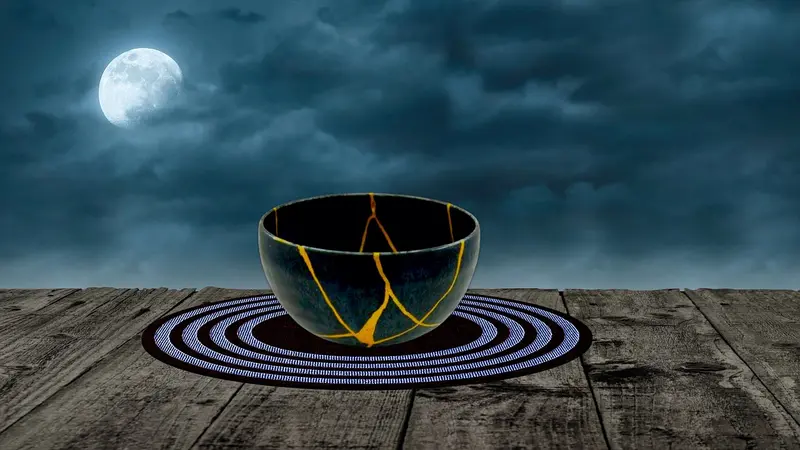
Good evening, everyone. My grandmother has a tea bowl with a crack that was repaired long ago. As a child, I thought it was ugly. Now, it's my favorite object in her house. Tonight, I'll try to explain the Japanese idea behind that feeling: wabi-sabi.
Your recording
Say this slide out loud, then listen to yourself.
Recordings stay on this device and disappear when you leave the page.
Useful phrases
was repaired long ago
Was fixed a long time in the past.
the ... idea behind that feeling
The concept that explains that emotion.
Full script
Read the whole talk.
All slides in one place. Read it through once, then practice slide by slide.
01Wabi-Sabi
Good evening, everyone. My grandmother has a tea bowl with a crack that was repaired long ago. As a child, I thought it was ugly. Now, it's my favorite object in her house. Tonight, I'll try to explain the Japanese idea behind that feeling: wabi-sabi.
大家晚上好。我奶奶有一只很久以前修补过裂痕的茶碗。小时候,我觉得它很难看。现在,它成了她家里我最喜欢的东西。今晚,我想试着解释一下这种感觉背后的日本理念:侘寂。
02A Difficult Word to Translate
Wabi-sabi is hard to translate. There isn't one English word for it. In simple terms, it means finding beauty in things that are imperfect, simple, and not permanent.
侘寂很难翻译。英语里没有一个词能表达它。简单来说,它的意思是在不完美、简朴、不永恒的事物中发现美。
03Wabi: Quiet Simplicity
The first part, wabi, is often connected to quiet simplicity: a plain room, a simple meal, or a calm life without too many things.
第一部分“侘”,常常与安静的简朴联系在一起:一个朴素的房间,一顿简单的饭菜,或是一种没有太多物品的平静生活。
04Sabi: The Beauty of Age
The second part, sabi, is often connected to the beauty of age: an old wooden door, moss on a stone, or the soft color of a well-used tea cup. These things show that time has passed.
第二部分“寂”,常常与岁月之美联系在一起:一扇古老的木门,石头上的青苔,或是一只用了很久的茶杯那柔和的颜色。这些东西都显示出时间的流逝。
05Examples in Daily Life
You can see wabi-sabi in many places: handmade pottery with uneven shapes, falling autumn leaves, or a repaired bowl like my grandmother's. The imperfection is part of the beauty, not something to hide.
你可以在很多地方看到侘寂:形状不规则的手工陶器,飘落的秋叶,或是像我奶奶那样修补过的碗。不完美是美的一部分,而不是需要隐藏的东西。
06A Contrast With Perfection
This idea feels very different from much of modern life. Online, we see perfect photos, perfect bodies, and perfect homes. Wabi-sabi suggests another way of seeing: that something can be beautiful because it is imperfect.
这种理念与现代生活的很多方面截然不同。在网上,我们看到的是完美的照片、完美的身材和完美的家。侘寂提出了另一种看待事物的方式:一样东西可以因为不完美而美丽。
07What It Means to Me
For me, wabi-sabi has become a way to be kinder to myself. I don't need to be perfect, and I don't need to replace things just because they're old. Like my grandmother's bowl, a few cracks can tell a story.
对我来说,侘寂已经成为一种让我对自己更宽容的方式。我不需要完美,也不需要仅仅因为东西旧了就去换掉它。就像我奶奶的碗一样,几道裂痕也能讲述一个故事。
08Conclusion
To sum up, wabi-sabi is the idea that simple, old, and imperfect things can be beautiful. The next time you see a crack or a scratch, try looking at it with wabi-sabi eyes. Thank you.
总结一下,侘寂是一种理念,认为简朴、古旧、不完美的事物也可以是美的。下次你看到一道裂痕或一处划痕时,试着用侘寂的眼光去看它吧。谢谢大家。
Cover photo by MARTYSEB on Pixabay