英文簡報的示範講稿與中文翻譯。每一頁都可以聽示範、開口練習。
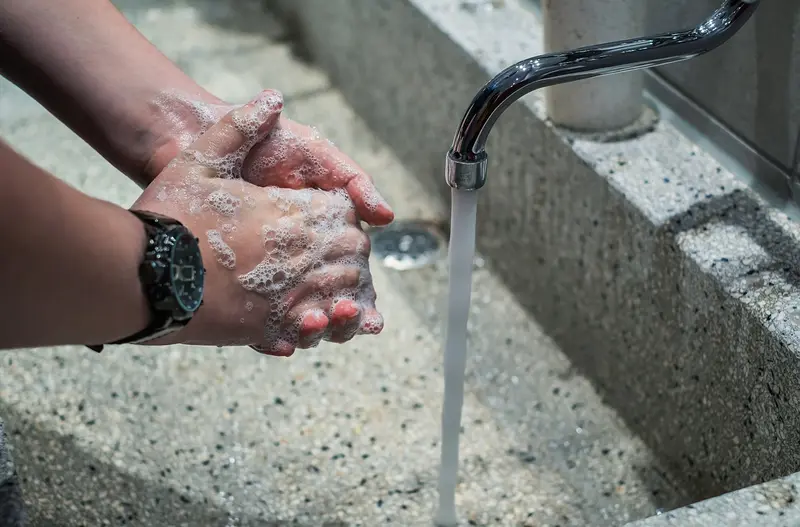
The Simplest Rule in Medicine
Vienna, 1847
1 / 8
Model script
Good morning, everyone. In every hospital, the simplest rule is this: clean your hands. Everyone agrees with it. But how do we actually know it works, and how much? Today I'll look at three real studies. First, I'll go back to Vienna in 1847 and the doctor Ignaz Semmelweis. Then I'll look at a large hospital study from Geneva in the 1990s. After that, I'll show you a surprising problem with how hospitals measure handwashing. Finally, I'll explain what I think nurses and health students can learn from all three.
Your recording
Say this slide out loud, then listen to yourself.
Recordings stay on this device and disappear when you leave the page.
Useful phrases
Everyone agrees with it.
Nobody says it's wrong.
how do we actually know it works
Asks for the evidence behind a common belief.
I'll go back to
I'll talk about a time in the past.
Words
- healthcare-associated infections
- hand gel
- maternity hospital
- death rate
- midwives
- autopsies
- chlorinated lime
- germ theory
- before-and-after comparison
- alcohol hand rub
- hand hygiene
- compliance
- hospital infections
- comparison group
- confounding
- auditor
- electronic counters
- dispensers
- Hawthorne effect
Highlighted words are on this slide. Tap a word to look it up on Google.
Full script
Read the whole talk.
All slides in one place. Read it through once, then practice slide by slide.
01The Simplest Rule in Medicine
Good morning, everyone. In every hospital, the simplest rule is this: clean your hands. Everyone agrees with it. But how do we actually know it works, and how much? Today I'll look at three real studies. First, I'll go back to Vienna in 1847 and the doctor Ignaz Semmelweis. Then I'll look at a large hospital study from Geneva in the 1990s. After that, I'll show you a surprising problem with how hospitals measure handwashing. Finally, I'll explain what I think nurses and health students can learn from all three.
大家早安。在每一家醫院裡,最簡單的規則就是:把手洗乾淨。每個人都同意這一點。但我們到底怎麼知道它真的有效,又有多有效呢?今天我要介紹三項真實的研究。首先,我會回到1847年的維也納,談談醫師伊格納茲・塞麥爾維斯。接著,我會介紹1990年代在日內瓦進行的一項大型醫院研究。然後,我會讓大家看看醫院在測量洗手情形時,一個出乎意料的問題。最後,我會分享護理師和醫療相關科系的學生,可以從這三項研究學到什麼。
02Key Term: Healthcare-Associated Infections
Let me start with one key term: healthcare-associated infections. These are infections that patients didn't have when they arrived, but caught while they were being treated. One common route is simple: a health worker touches one patient, then another, and germs travel on their hands. I noticed this rule in action when my grandmother was in hospital last year. There was hand gel at every door, and the nurses used it every time they came into her room. It looked almost automatic. But the question for today is whether it really makes a difference.
我先從一個重要的專有名詞開始:醫療照護相關感染。意思是病人剛到醫院時並沒有,卻在接受治療期間被感染的情形。一個常見的途徑很簡單:醫護人員碰了一位病人,接著又碰另一位病人,細菌就跟著手傳過去了。去年我奶奶住院時,我親眼看到這條規則是怎麼執行的。每扇門旁邊都有乾洗手,護理師每次進她的病房都會使用。看起來幾乎是反射動作。不過,今天要問的是:它真的有帶來差別嗎?
03Study 1: Vienna, 1847
My first study is the oldest. In the 1840s, Ignaz Semmelweis worked at a maternity hospital in Vienna. According to the Science History Institute, the ward run by doctors had a death rate about three times higher than the ward run by midwives. Semmelweis suspected that doctors were carrying something from autopsies on their hands. So he required all doctors and medical students to clean their hands with chlorinated lime before examining women. The result was dramatic. In his ward, the death rate fell from 18.27% to 1.27% in 1848.
第一項研究是最早的一項。1840年代,伊格納茲・塞麥爾維斯在維也納的一家產科醫院工作。根據科學史研究所的資料,由醫師負責的病房,死亡率大約是由助產師負責的病房的三倍。塞麥爾維斯懷疑,醫師的手上帶著從大體解剖沾到的東西。於是,他要求所有醫師和醫學生在替產婦檢查之前,都必須用漂白粉清潔雙手。結果非常驚人。1848年,他負責的病房死亡率從18.27%降到了1.27%。
Source: Science History Institute, "Ignaz Semmelweis" (Scientific Biographies): the physician-run ward had a mortality rate three times higher than the midwives' ward; Semmelweis required all doctors and medical students to disinfect their hands with chlorinated lime before examining pregnant women; mortality in his ward decreased from 18.27% to 1.27% in 1848
04Strong Numbers, But No Explanation
So, was everyone convinced? No. Many doctors rejected his idea, and it was only accepted after his death. Why? I think there are two reasons, and they're still useful today. First, there was no germ theory yet, so Semmelweis couldn't explain why his method worked. Strong numbers without an explanation were easy to ignore. Second, his evidence was a before-and-after comparison. In a study like this, other things can change at the same time, so we can't be fully sure the handwashing caused the whole drop. Today, we know he was right. But at the time, the doubts were not completely unreasonable.
那麼,大家都被說服了嗎?沒有。很多醫師不接受他的想法,一直到他過世以後,這個想法才被認可。為什麼呢?我認為有兩個原因,而且到今天都還很有參考價值。第一,當時還沒有細菌理論,所以塞麥爾維斯沒辦法解釋他的方法為什麼有效。沒有解釋的強力數字,很容易被忽略。第二,他的證據是「前後比較」。在這種研究裡,其他因素也可能同時改變,所以我們無法完全確定,死亡率下降全都是洗手的功勞。今天我們知道他是對的。但在當時,那些懷疑並不是完全沒有道理。
Source: Science History Institute, "Ignaz Semmelweis" (Scientific Biographies): the introduction of handwashing met with resistance, many doctors continued to dismiss it, and his findings were only accepted throughout the medical establishment after his death
05Study 2: Geneva, 1994–1998
Now let's jump to a modern study. In the 1990s, Didier Pittet and his team ran a campaign across the whole University of Geneva Hospitals. One key change was putting alcohol hand rub right next to patients' beds, so staff didn't have to walk to a sink. Their study, published in The Lancet in 2000, found that hand hygiene compliance rose from 48% in 1994 to 66% in 1997. Compliance here means how often staff cleaned their hands when they should. Over the same period, the share of patients with hospital infections fell from 16.9% to 9.9%.
接下來,我們看一項現代的研究。1990年代,迪迪耶・皮泰和他的團隊在日內瓦大學醫院全院推動了一項活動。其中一個關鍵的改變,是把酒精性乾洗手液放在病人的床邊,這樣醫護人員就不必走到洗手台。他們在2000年發表於《刺胳針》期刊的研究發現,手部衛生遵從率從1994年的48%,上升到1997年的66%。這裡的遵從率,指的是在應該清潔雙手的時候,醫護人員實際做到的比例。同一段時間,發生院內感染的病人比例,從16.9%降到了9.9%。
Source: Pittet, D., et al. (2000). "Effectiveness of a hospital-wide programme to improve compliance with hand hygiene." The Lancet, 356(9238), 1307–1312: University of Geneva Hospitals; promotion of bedside alcohol-based hand rub; overall compliance improved from 48% in 1994 to 66% in 1997; nosocomial infection prevalence decreased from 16.9% in 1994 to 9.9% in 1998
06What Geneva Can't Prove
This is much stronger evidence than Vienna, but it still has limits. The authors were careful with their words. They said the improvement in hand hygiene happened together with fewer infections. They didn't claim to have proven that it caused all of the drop. That's because this was one hospital with no comparison group. Researchers call the hidden problem confounding. Confounding means another factor, such as new cleaning rules or different patients, could explain part of the change. In my view, this is exactly how good researchers should write: they report a big result, and they also say what it can't prove.
這比維也納的證據有力得多,但仍然有它的限制。作者們用字非常謹慎。他們說,手部衛生的改善和感染的減少是同時發生的,但並沒有宣稱已經證明感染減少全都是它造成的。因為這項研究只在一家醫院進行,而且沒有對照組。研究人員把這種隱藏的問題稱為「干擾」。干擾的意思是,其他因素,例如新的清潔規定或病人組成的改變,也可能解釋一部分的變化。我認為,優秀的研究者就應該這樣寫:一方面報告重大的結果,一方面也說明這個結果無法證明什麼。
Source: Pittet, D., et al. (2000). The Lancet, 356(9238), 1307–1312: the authors concluded that sustained improvement in compliance coincided with a reduction in nosocomial infections and MRSA transmission (an association reported from one hospital-wide programme, without a separate control group)
07Study 3: People Wash More When Watched
My last study shows a problem with the numbers themselves. Most hospitals measure hand hygiene by sending an auditor, a person who watches and counts. But in 2014, Jocelyn Srigley and her team in Toronto used electronic counters on hand gel dispensers. They found that in hallways where an auditor could be seen, the dispensers were used about three times as often: 3.75 times per hour, compared with 1.48 where no auditor was visible. Interestingly, there was no clear change inside patient rooms. This is called the Hawthorne effect: people change their behavior because they know they're being watched.
最後一項研究,點出了數字本身的問題。大多數醫院測量手部衛生的方式,是派一位稽核人員在旁邊觀察並計數。但在2014年,多倫多的喬絲琳・斯里格利和她的團隊,在乾洗手機上裝了電子計數器。他們發現,在看得到稽核人員的走廊上,乾洗手機的使用次數大約是三倍:每小時3.75次,而看不到稽核人員的地方只有1.48次。有趣的是,病房裡面並沒有明顯的變化。這叫做「霍桑效應」:人知道自己正在被觀察時,就會改變行為。
Source: Srigley, J. A., Furness, C. D., Baker, G. R., & Gardam, M. (2014). "Quantification of the Hawthorne effect in hand hygiene compliance monitoring using an electronic monitoring system: a retrospective cohort study." BMJ Quality & Safety, 23(12), 974–980: two inpatient units at an academic hospital in Toronto; the hand hygiene event rate in hallways was approximately threefold higher when auditors were in eyesight (3.75 vs 1.48 events per dispenser per hour); no significant changes inside patient rooms
08What We Can Learn
To sum up, the three studies point in the same direction: clean hands reduce infections. But each study has a weakness, so the exact size of the effect is still uncertain. For nurses and health students, I take away three lessons. First, make hand hygiene easy, like the bedside hand rub in Geneva. Second, measure it honestly, because watched numbers can look better than the truth. Third, always explain why, because Semmelweis showed us that numbers alone don't change minds. Thank you for listening. I'm happy to take your questions.
總結來說,這三項研究都指向同一個方向:把手清潔乾淨,可以減少感染。但每項研究都有弱點,所以效果到底有多大,目前還不確定。對護理師和醫療相關科系的學生來說,我得到三個啟示。第一,讓手部衛生變得容易,就像日內瓦把乾洗手放在床邊一樣。第二,要誠實地測量,因為被觀察時的數字,可能比實際情況好看。第三,一定要說明原因,因為塞麥爾維斯讓我們知道,光靠數字是改變不了人的想法的。謝謝大家的聆聽。歡迎大家提問。
More Health & Mind presentations





Cover photo by Couleur on Pixabay