Japan's Aging Society: Problems and Solutions
AdvancedJapan & CultureGuion modelo de una presentación en inglés con traducción al español. Escucha y practica diapositiva por diapositiva.
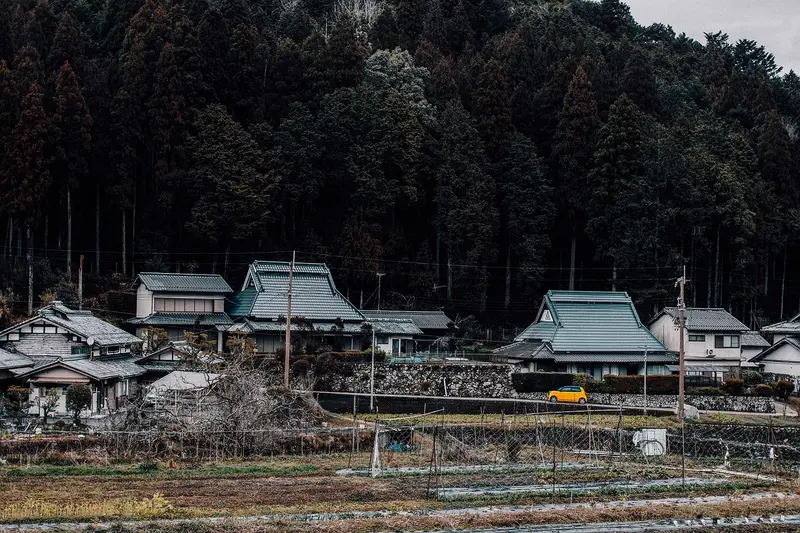
Japan's Aging Society: Problems and Solutions
What happens when a country grows older?
Model script
Good morning, everyone. Japan has one of the oldest populations in the world. Today, I'll explain the problems this creates and look at some possible solutions.
Your recording
Say this slide out loud, then listen to yourself.
Recordings stay on this device and disappear when you leave the page.
Useful phrases
one of the oldest
Among the oldest.
possible solutions
Ideas that might solve a problem.
Full script
Read the whole talk.
All slides in one place. Read it through once, then practice slide by slide.
01Japan's Aging Society: Problems and Solutions
Good morning, everyone. Japan has one of the oldest populations in the world. Today, I'll explain the problems this creates and look at some possible solutions.
Buenos días a todos. Japón tiene una de las poblaciones más envejecidas del mundo. Hoy les explicaré los problemas que esto genera y veremos algunas posibles soluciones.
02The Facts
Here are the facts. About twenty-nine percent of people in Japan are sixty-five or older. At the same time, fewer babies are born each year, so the population is shrinking.
Estos son los datos. Alrededor del veintinueve por ciento de las personas en Japón tienen sesenta y cinco años o más. Al mismo tiempo, cada año nacen menos bebés, así que la población se está reduciendo.
Source: Statistics Bureau of Japan, Current Population Estimates as of October 1, 2023
03Problem 1: Fewer Workers
The first problem is a shortage of workers. Hospitals, care homes, and farms already find it hard to hire enough people.
El primer problema es la falta de trabajadores. Los hospitales, las residencias de mayores y las granjas ya tienen dificultades para contratar suficiente personal.
04Problem 2: Rising Costs
The second problem is cost. As more people need pensions and health care, the country has to spend more, while there are fewer young workers paying taxes.
El segundo problema es el costo. A medida que más personas necesitan pensiones y atención médica, el país tiene que gastar más, mientras que hay menos trabajadores jóvenes que pagan impuestos.
05Problem 3: Quiet Towns
The third problem is in rural areas. Many young people move to big cities, so some small towns are losing their shops, schools, and even their doctors.
El tercer problema está en las zonas rurales. Muchos jóvenes se mudan a las grandes ciudades, así que algunos pueblos pequeños se están quedando sin tiendas, sin escuelas e incluso sin médicos.
06Possible Solutions
There is no single solution, but several ideas can help: technology like care robots, letting older people work longer if they want to, welcoming workers from abroad, and supporting young families.
No hay una única solución, pero varias ideas pueden ayudar: tecnologías como los robots de cuidado, permitir que las personas mayores trabajen más tiempo si así lo desean, recibir a trabajadores del extranjero y apoyar a las familias jóvenes.
07Not Only Japan
This is not only Japan's challenge. Many countries, including South Korea, Italy, and China, are also aging. The world is watching how Japan responds.
Este no es solo un desafío de Japón. Muchos países, como Corea del Sur, Italia y China, también están envejeciendo. El mundo está observando cómo responde Japón.
08Conclusion
In conclusion, an aging society is a serious challenge, but it can also push Japan to find new ways of living and working. Thank you.
En conclusión, una sociedad envejecida es un desafío serio, pero también puede impulsar a Japón a encontrar nuevas formas de vivir y trabajar. Gracias.
Cover photo by xegxef on Pixabay