What Our Class Survey Says About Plastic Use
IntermediateSociety & EnvironmentGuion modelo de una presentación en inglés con traducción al español. Escucha y practica diapositiva por diapositiva.
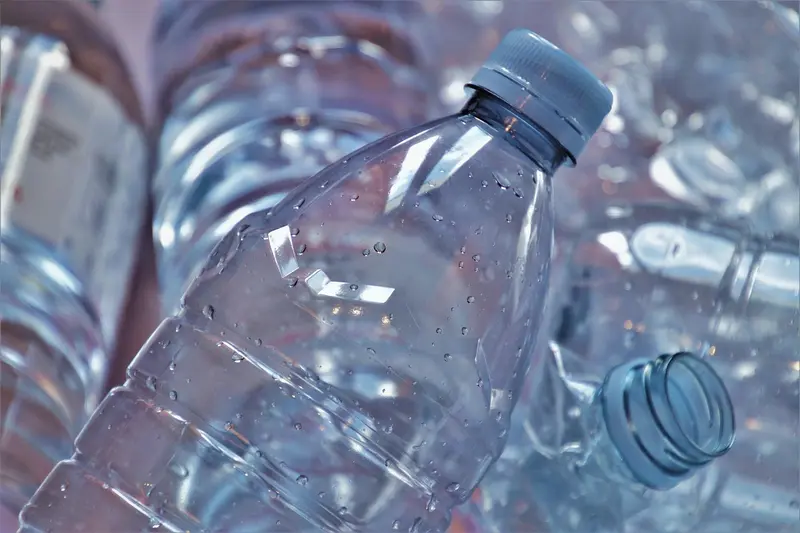
What Our Class Survey Says About Plastic Use
30 students, one week
Model script
Hello, everyone. Our class wanted to know how much single-use plastic we use. So for one week, thirty students kept a record. Today, I'll present what we found.
Your recording
Say this slide out loud, then listen to yourself.
Recordings stay on this device and disappear when you leave the page.
Useful phrases
single-use plastic
Plastic that is used once and thrown away.
kept a record
Wrote down information regularly.
Full script
Read the whole talk.
All slides in one place. Read it through once, then practice slide by slide.
01What Our Class Survey Says About Plastic Use
Hello, everyone. Our class wanted to know how much single-use plastic we use. So for one week, thirty students kept a record. Today, I'll present what we found.
Hola a todos. Nuestra clase quería saber cuánto plástico de un solo uso usamos. Así que, durante una semana, treinta estudiantes llevaron un registro. Hoy les voy a presentar lo que descubrimos.
02How We Did It
Every day, we counted each plastic item we used, like bottles, bags, and straws. At the end of the week, we added up the results.
Cada día contamos cada artículo de plástico que usábamos, como botellas, bolsas y pajitas. Al final de la semana, sumamos los resultados.
03The Results
Here's what we found. Plastic bottles were the biggest group, with ninety-six items. Food packages came next, with eighty-four.
Esto es lo que descubrimos. Las botellas de plástico fueron el grupo más grande, con noventa y seis artículos. Después vinieron los envases de comida, con ochenta y cuatro.
The numbers on this slide are made up for practice. They are not real data.
04What It Means
In total, we used two hundred seventy items in just one week. That's about nine items per student. Over a year, that would be more than fourteen thousand items for our class.
En total, usamos doscientos setenta artículos en solo una semana. Eso son unos nueve artículos por estudiante. En un año, serían más de catorce mil artículos para nuestra clase.
The numbers on this slide are made up for practice. They are not real data.
05Easy Changes
Many of these items are easy to replace. A reusable bottle and a cloth bag alone could cut a large part of our plastic use.
Muchos de estos artículos son fáciles de sustituir. Solo con una botella reutilizable y una bolsa de tela podríamos reducir gran parte de nuestro consumo de plástico.
06Our Challenge
So our class will try a new challenge: one more week, but this time with reusable bottles and bags. Then we'll compare the numbers.
Así que nuestra clase intentará un nuevo reto: una semana más, pero esta vez con botellas y bolsas reutilizables. Después compararemos las cifras.
07Conclusion
In conclusion, small habits add up to big numbers. Counting our plastic helped us see the problem clearly. Thank you.
En conclusión, los pequeños hábitos se convierten en grandes números. Contar nuestro plástico nos ayudó a ver el problema con claridad. Gracias.
Cover photo by pasja1000 on Pixabay