What Our Class Survey Says About Plastic Use
IntermediateSociety & Environment英语演讲的示范讲稿与中文翻译。每一页都可以听示范、开口练习。
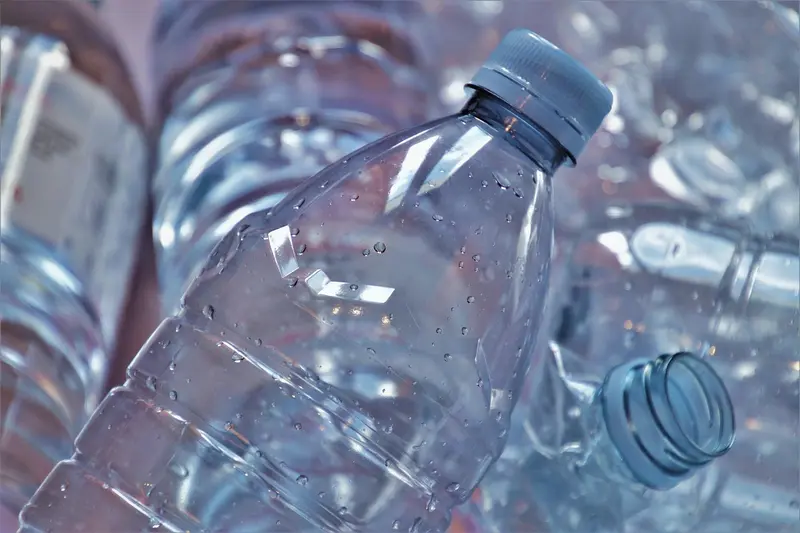
What Our Class Survey Says About Plastic Use
30 students, one week
Model script
Hello, everyone. Our class wanted to know how much single-use plastic we use. So for one week, thirty students kept a record. Today, I'll present what we found.
Your recording
Say this slide out loud, then listen to yourself.
Recordings stay on this device and disappear when you leave the page.
Useful phrases
single-use plastic
Plastic that is used once and thrown away.
kept a record
Wrote down information regularly.
Full script
Read the whole talk.
All slides in one place. Read it through once, then practice slide by slide.
01What Our Class Survey Says About Plastic Use
Hello, everyone. Our class wanted to know how much single-use plastic we use. So for one week, thirty students kept a record. Today, I'll present what we found.
大家好。我们班想知道我们用了多少一次性塑料。所以在一周的时间里,三十个学生做了记录。今天,我来介绍一下我们的发现。
02How We Did It
Every day, we counted each plastic item we used, like bottles, bags, and straws. At the end of the week, we added up the results.
每天,我们都会数一数自己用过的每一件塑料制品,比如瓶子、袋子和吸管。到了周末,我们把结果加在一起。
03The Results
Here's what we found. Plastic bottles were the biggest group, with ninety-six items. Food packages came next, with eighty-four.
下面是我们的发现。塑料瓶是最多的一类,有九十六件。排在后面的是食品包装,有八十四件。
The numbers on this slide are made up for practice. They are not real data.
04What It Means
In total, we used two hundred seventy items in just one week. That's about nine items per student. Over a year, that would be more than fourteen thousand items for our class.
我们在短短一周内一共用了两百七十件塑料制品。相当于每个学生大约九件。如果按一年来算,我们班会用掉一万四千多件。
The numbers on this slide are made up for practice. They are not real data.
05Easy Changes
Many of these items are easy to replace. A reusable bottle and a cloth bag alone could cut a large part of our plastic use.
其中很多东西都很容易替代。光是一个可重复使用的水瓶和一个布袋,就能减少很大一部分塑料的使用。
06Our Challenge
So our class will try a new challenge: one more week, but this time with reusable bottles and bags. Then we'll compare the numbers.
所以,我们班要尝试一个新的挑战:再记录一周,但这次使用可重复使用的水瓶和袋子。然后我们来比较一下数字。
07Conclusion
In conclusion, small habits add up to big numbers. Counting our plastic helped us see the problem clearly. Thank you.
总之,小习惯积累起来就是大数字。数一数我们用的塑料,让我们清楚地看到了这个问题。谢谢大家。
Cover photo by pasja1000 on Pixabay