A Proposal: Teach Every Student How to Check Online Information
AdvancedTech & Internet英語プレゼンのお手本の原稿と日本語訳。スライドごとに、聞いて・話して練習できます。
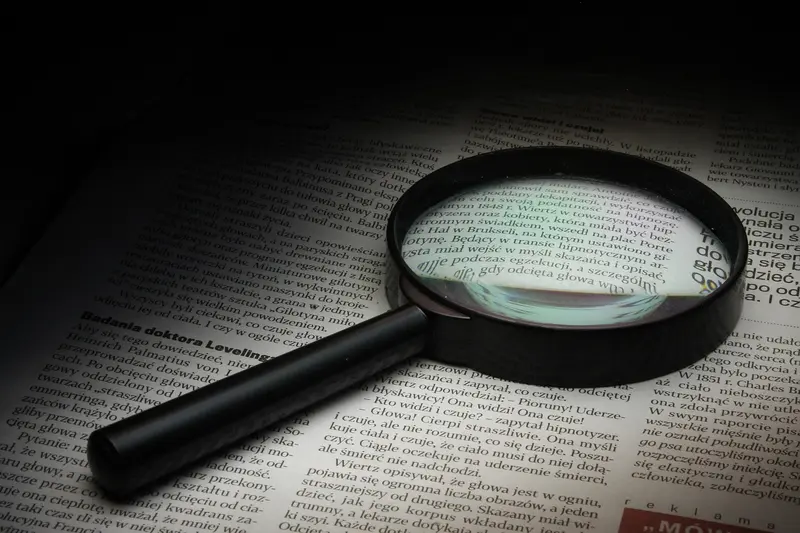
Teach Every Student to Check Online Information
A proposal to the school board
Model script
Good evening, members of the school board. I'm a parent and a web developer. Tonight, I'd like to propose that every student in our district learn how to check whether online information is true.
Your recording
Say this slide out loud, then listen to yourself.
Recordings stay on this device and disappear when you leave the page.
Useful phrases
I'd like to propose that
A formal way to suggest a plan.
check whether
Find out if something is true or not.
Full script
Read the whole talk.
All slides in one place. Read it through once, then practice slide by slide.
01Teach Every Student to Check Online Information
Good evening, members of the school board. I'm a parent and a web developer. Tonight, I'd like to propose that every student in our district learn how to check whether online information is true.
教育委員会の皆さん、こんばんは。私は保護者で、ウェブ開発者です。今夜は、この地区のすべての生徒が、ネット上の情報が本当かどうかを確かめる方法を学ぶことを提案したいと思います。
02What I See at Home
Let me start with what I see at home. My children regularly show me videos and screenshots that look real but turn out to be edited or completely made up. Often, they've already shared them with friends.
まず、家で目にしていることからお話しします。子どもたちはよく、本物に見えるのに、実は加工されていたり、まったくのでっち上げだったりする動画や画像を見せてきます。そして多くの場合、すでに友達とシェアしてしまっています。
03Why Schools Should Act
Why should schools act? Because my children, like most of their friends, get their news from social media rather than newspapers, and new tools make it easier than ever to create convincing fake images and videos.
なぜ学校が取り組むべきなのでしょうか?私の子どもたちも、その友達のほとんども、新聞ではなくSNSからニュースを得ていますし、新しい道具によって、本物そっくりの偽の画像や動画が、かつてないほど簡単に作れるようになっているからです。
04What Students Would Learn
The program would teach three simple questions. Who made this, and why? What is the evidence? And what do other trusted sources say? These questions work for any topic, from health to politics.
このプログラムでは、三つの簡単な問いを教えます。だれが、なぜこれを作ったのか?証拠は何か?ほかの信頼できる情報源は何と言っているか?これらの問いは、健康から政治まで、どんな話題にも使えます。
05How It Would Work
We don't need a new subject. Teachers could add short lessons to existing classes, like English and social studies, using real examples students actually see online.
新しい教科は必要ありません。先生方が、国語や社会のような今ある授業に、生徒が実際にネットで目にする本物の例を使った短い授業を加えればいいのです。
06"Our Teachers Are Already Busy"
I know teachers are already very busy. That's why I suggest we provide ready-made lesson plans and one training day, so teachers don't have to create everything themselves.
先生方がすでにとても忙しいことは分かっています。だからこそ、すぐに使える授業案と1日の研修を用意して、先生方が全部を一から作らなくて済むようにすることを提案します。
07A First Step
As a first step, I propose a one-year pilot in two schools. At the end of the year, we can ask teachers and students what worked, and decide whether to expand it.
最初の一歩として、二つの学校での1年間の試行を提案します。年度の終わりに、先生と生徒に何がうまくいったかを聞いて、広げるかどうかを決めればいいのです。
08Conclusion
To conclude, checking information is no longer an extra skill; it's a basic one, like reading and math. Let's make sure every student leaves school with it. Thank you for your time.
まとめると、情報を確かめることは、もはや追加の技術ではありません。読み書きや計算と同じ、基本的な力です。すべての生徒が、その力を身につけて卒業できるようにしましょう。お時間をいただき、ありがとうございました。
Cover photo by shotput on Pixabay