Where Does Our Food Waste Come From?
AdvancedFood & Cooking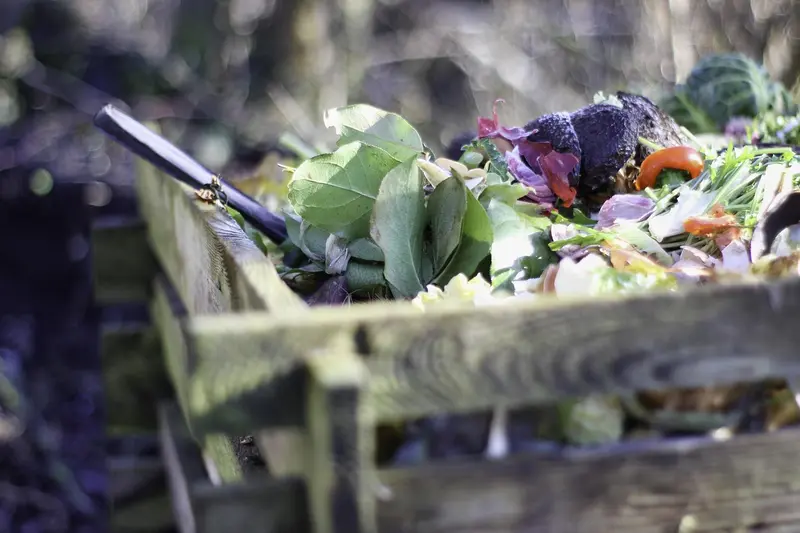
Where Does Our Food Waste Come From?
Following the numbers
Model script
Good morning, everyone. Every year, a huge amount of food is thrown away while millions of people go hungry. Today, I'll use real data to show where food waste comes from, and what we can do about it.
Your recording
Say this slide out loud, then listen to yourself.
Recordings stay on this device and disappear when you leave the page.
Useful phrases
is thrown away
Is put in the trash.
use real data to show
Say that you will support your talk with facts.
Full script
Read the whole talk.
All slides in one place. Read it through once, then practice slide by slide.
01Where Does Our Food Waste Come From?
Good morning, everyone. Every year, a huge amount of food is thrown away while millions of people go hungry. Today, I'll use real data to show where food waste comes from, and what we can do about it.
02The Big Number
According to the United Nations, the world wasted about one billion tonnes of food in 2022. That's roughly one out of every five portions of food available to consumers.
Source: UNEP Food Waste Index Report 2024
03Where It Happens
Now, let's look at where this waste happens. Surprisingly, about sixty percent comes from our homes. Restaurants and other food services make up around twenty-eight percent, and shops about twelve percent.
Source: UNEP Food Waste Index Report 2024
04Why Homes Waste So Much
Why do homes waste so much? Common reasons include buying more than we need, misunderstanding date labels, and storing food badly.
05Best Before vs. Use By
One simple fix is understanding labels. A best-before date is about quality, so food is often still fine after it. A use-by date is about safety, so it should be taken seriously.
06Why It Matters
Food waste matters for three reasons: it wastes money, it harms the environment, and it's food that could have fed people in need.
07What We Can Do
The good news is that we can make a difference at home. We can plan our meals, shop with a list, store food properly, and get creative with leftovers.
08Conclusion
To sum up, the data shows that the biggest part of the problem is in our own kitchens. That also means the solution is in our hands. Thank you.
Cover photo by herb007 on Pixabay