Does It Really Take 21 Days to Build a Habit?
AdvancedMe & Daily Life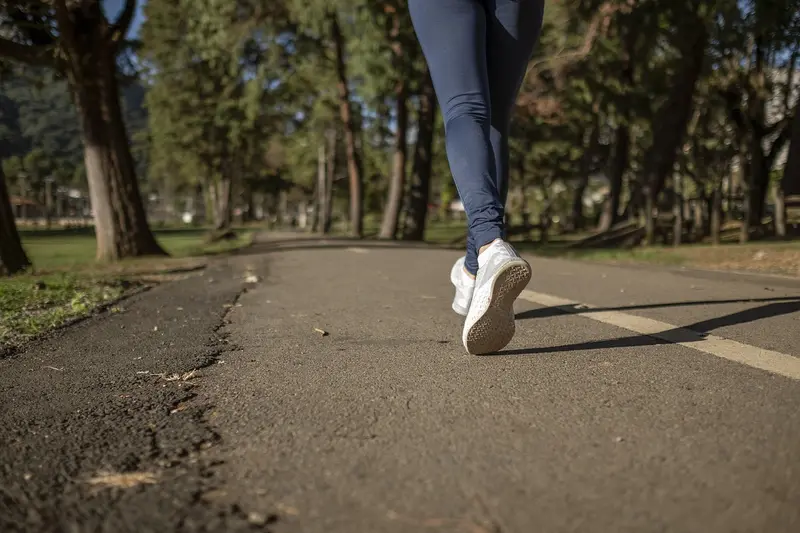
Does It Really Take 21 Days?
What research says about habits
Model script
Good evening, everyone. You've probably heard that it takes twenty-one days to build a new habit. I believed that too. I tried running every morning, and after three weeks, it still felt hard. So I looked into the research.
Your recording
Say this slide out loud, then listen to yourself.
Recordings stay on this device and disappear when you leave the page.
Useful phrases
You've probably heard that
You most likely know the idea that.
looked into
Searched for information about.
Full script
Read the whole talk.
All slides in one place. Read it through once, then practice slide by slide.
01Does It Really Take 21 Days?
Good evening, everyone. You've probably heard that it takes twenty-one days to build a new habit. I believed that too. I tried running every morning, and after three weeks, it still felt hard. So I looked into the research.
02The Study
In 2010, researchers led by Phillippa Lally published a study on habit formation in the European Journal of Social Psychology. Ninety-six volunteers chose one healthy behavior, like drinking water with lunch or going for a run, and did it every day in the same situation for twelve weeks.
Source: Lally, van Jaarsveld, Potts & Wardle, "How are habits formed: Modelling habit formation in the real world," European Journal of Social Psychology (2010)
03The Results
The results showed huge differences. The time it took for a behavior to become automatic ranged from eighteen days to two hundred fifty-four days. A figure people often quote from the study is about sixty-six days, much longer than twenty-one.
Source: Lally, van Jaarsveld, Potts & Wardle, "How are habits formed: Modelling habit formation in the real world," European Journal of Social Psychology (2010)
04Why So Different?
Why such big differences? It makes sense that simple habits, like drinking a glass of water, become automatic faster than harder ones, like exercising. And every person's life and motivation are different.
05Good News: Missing a Day Is OK
Here's the most encouraging finding. In the study, missing one opportunity to do the behavior did not really affect the habit-building process. So if you miss one day, you haven't failed. Just continue the next day.
Source: Lally, van Jaarsveld, Potts & Wardle, "How are habits formed: Modelling habit formation in the real world," European Journal of Social Psychology (2010)
06What This Means for Us
So what does this mean for us? Expect it to take weeks or even months, not exactly three weeks. Do your habit at the same time and place every day, and start very small so it's easy to repeat.
07My Running Habit Now
With this in mind, I restarted my running habit, but smaller: ten minutes after breakfast, every day. It took about three months before I did it without thinking. Now it feels strange not to run.
08Conclusion
To sum up, there's no magic number of days. Habits take different amounts of time for different people and behaviors. Be patient, keep it small, and don't give up after one bad day. Thank you.
Cover photo by Fotorech on Pixabay